

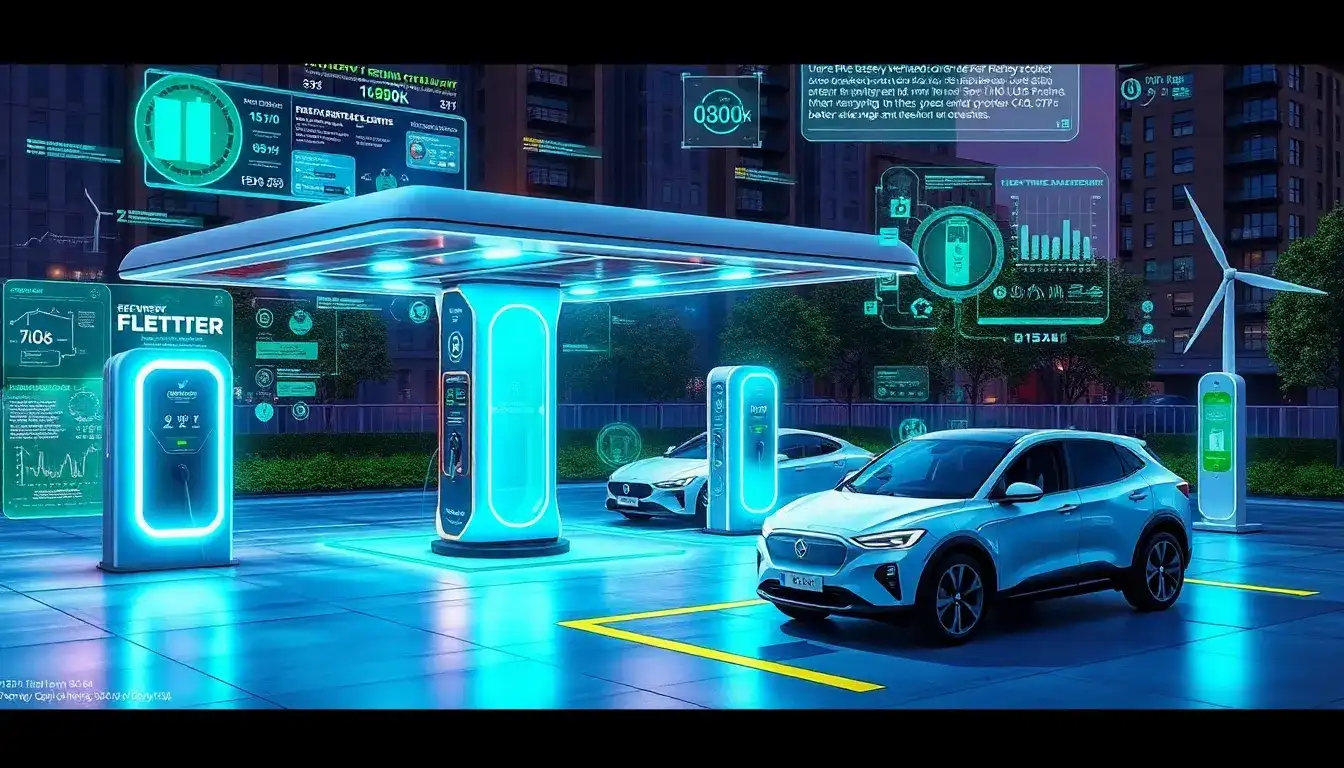
AI-driven charging systems can significantly improve the safety of electric vehicle (EV) batteries by addressing several critical issues:
- Real-time Battery Management: AI-driven Battery Management Systems (BMS) monitor and adjust battery conditions in real time, ensuring accurate State of Charge (SoC) and State of Health (SoH) estimations. This helps maintain optimal battery performance and safety throughout its lifecycle.
- Thermal Management: AI systems dynamically regulate cooling and heating to keep batteries within safe temperature ranges, preventing overheating and ensuring optimal performance.
- Prevention of Overcharging and Deep Discharging: AI can detect and respond to potential risks such as overcharging and deep discharging, which are harmful to battery health.
- Lithium Plating Prevention: AI predictive models analyze charge cycles and electrochemical behavior to mitigate lithium plating, a condition that can lead to battery capacity loss and increase the risk of short circuits.
- Optimized Charging Strategies: AI adapts charging protocols based on real-world usage, balancing speed, efficiency, and longevity.
In summary, AI-driven charging systems play a crucial role in enhancing EV battery safety by optimizing performance, preventing damage, and improving overall reliability.
Original article by NenPower, If reposted, please credit the source: https://nenpower.com/blog/can-ai-driven-charging-systems-improve-the-safety-of-electric-vehicle-batteries/

