

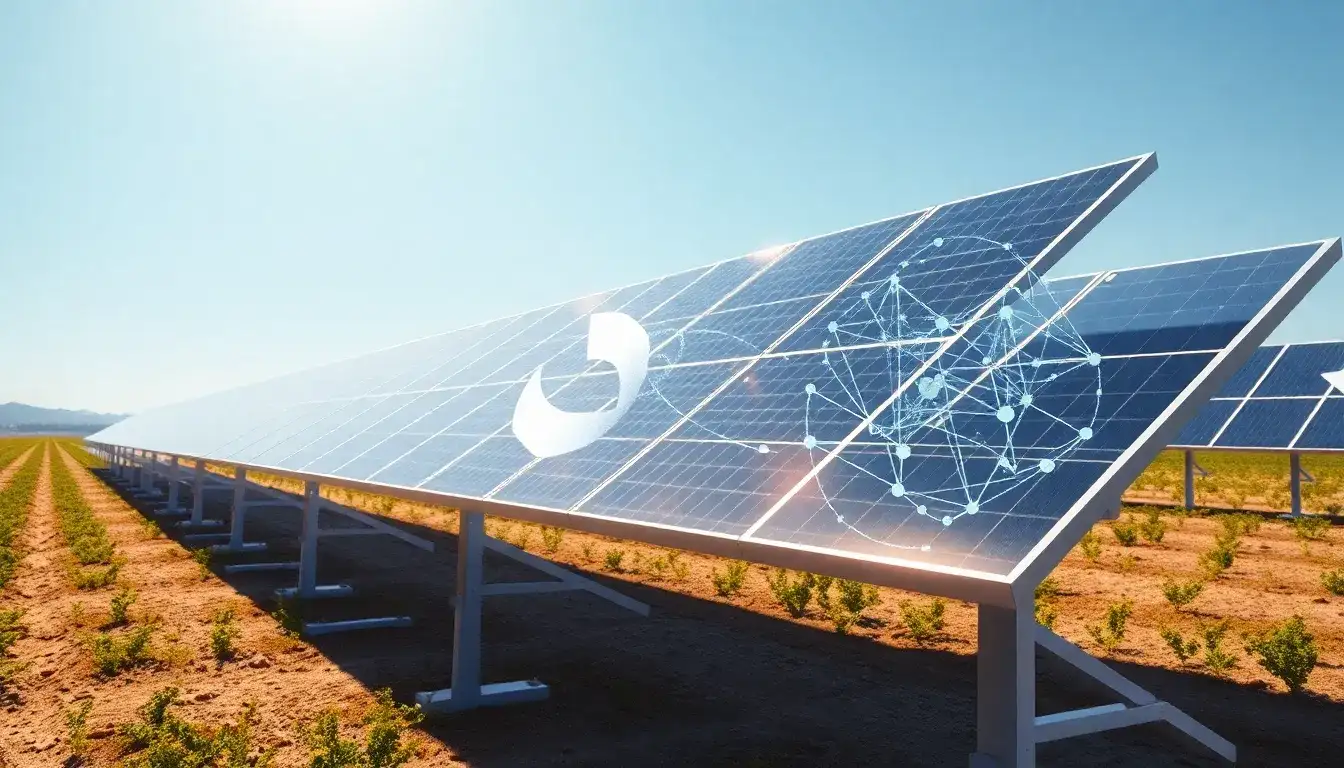
Integration of 3D Backtracking with Solar Tracker Systems
What is 3D Backtracking?
3D backtracking is an advanced algorithmic approach used in solar tracking systems to optimize the tilt and orientation of solar panels dynamically, taking into account the three-dimensional terrain and spatial relationships among panels. Unlike traditional backtracking algorithms, which operate mainly on a two-dimensional plane (usually east-west slope), 3D backtracking performs detailed 3D analysis to balance shading and maximum sunlight capture more effectively.
How It Works in Trackers
- The algorithm calculates the optimal tilt angle for each individual tracker based on its specific 3D surroundings, including terrain slopes in both east-west and north-south directions and installation deviations.
- It uses mathematical modeling and real-time calculations to minimize shading between rows of panels, which is especially critical during sunrise and sunset when shading problems are most likely.
- 3D backtracking algorithms often incorporate solar position data and terrain irregularity to generate the optimal tracking angles that maximize power generation while tolerating minor, strategically acceptable shading to boost overall yield.
Benefits of Integrating 3D Backtracking into Existing Systems
- Energy Yield Increase: Integration can lead to up to 4% more annual energy production compared to standard backtracking and even a 50%–300% energy boost during challenging sunrise and sunset phases.
- Adaptability to Terrain: The ability to account for slopes in multiple directions and uneven terrains makes it highly suitable for retrofitting on existing solar plants located on irregular or hilly land.
- Correction of Installation Errors: Even in flat terrains, small installation deviations can cause shading that 3D backtracking algorithms can identify and correct dynamically.
- Optimized Shading Management: Unlike traditional algorithms that try to eliminate all shading (which can force suboptimal panel orientations), 3D backtracking balances shading trade-offs to prioritize energy production maximization.
Practical Implementation Considerations
- Most modern solar tracker controllers (TCUs) can embed or be upgraded to support 3D backtracking algorithms, as seen in products from companies like Suntrack and Good Future.
- Pre-construction or retrofit analysis is recommended to assess terrain and installation conditions to predict energy gains and tailor the algorithm settings accordingly.
- While 3D backtracking algorithms require more sophisticated terrain and panel position data input compared to standard backtracking, this data can be obtained via surveying or GPS-based topographical mapping during installation or retrofit phases.
Summary:
Yes, 3D backtracking algorithms can be integrated with existing solar tracker systems. This integration enhances energy yield by optimizing the angle of solar panels with respect to complex terrain and spatial shading patterns, offering up to a 4% annual increase in energy production and substantial improvements during sunrise and sunset. The technology is particularly effective on irregular terrains and can be implemented by upgrading tracker control units to use advanced 3D backtracking software. Such integration represents a significant advancement over traditional 2D backtracking, allowing solar plants to achieve higher efficiency and better shading management without requiring major physical modifications to the existing tracker hardware.
Original article by NenPower, If reposted, please credit the source: https://nenpower.com/blog/can-3d-backtracking-algorithms-be-integrated-with-existing-solar-tracker-systems/

