

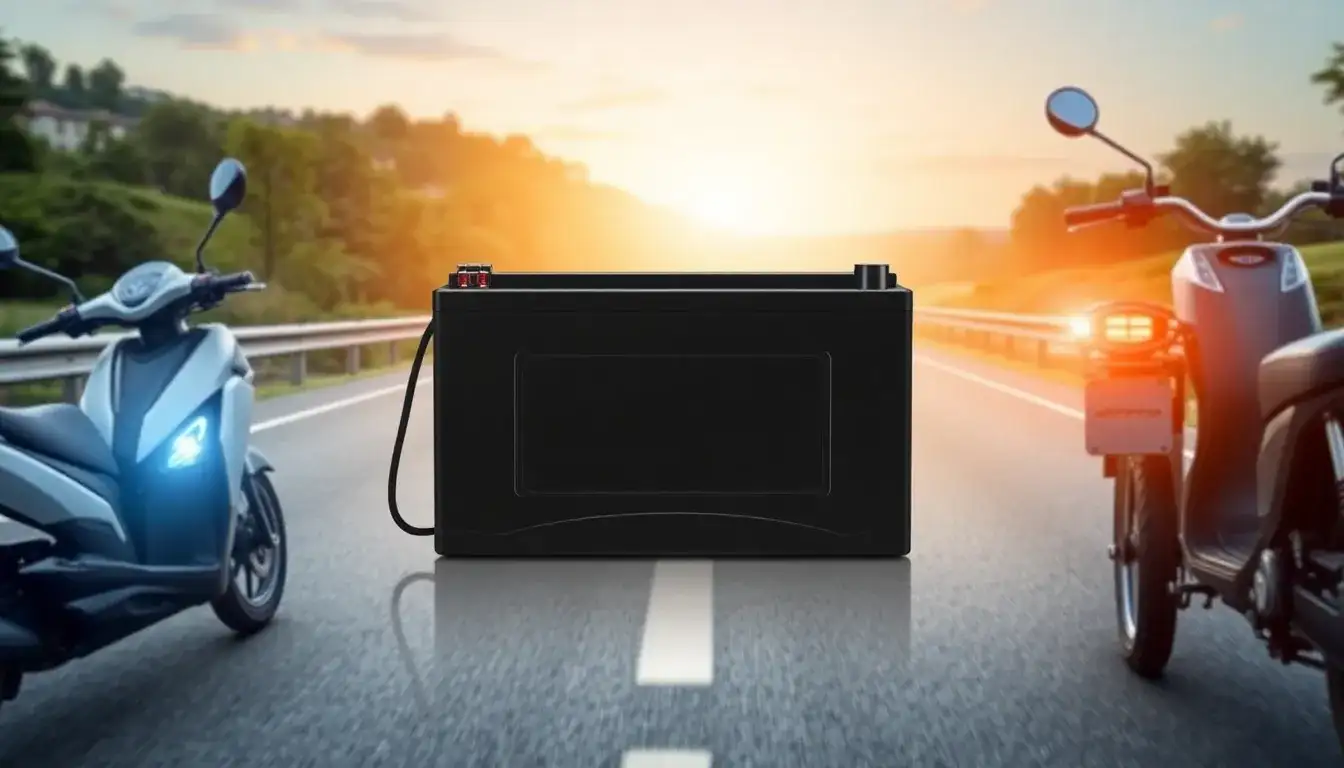
Longer Range and Enhanced Safety! BYD Introduces Dedicated Battery for Two-Wheelers, Leading to Three Major Changes in Lead-Acid Batteries
As the core component of electric vehicles (EVs), batteries are primarily categorized into lead-acid and lithium-ion types. The majority of electric bikes currently utilize lead-acid batteries. However, starting in 2025, the electric vehicle battery market is set to undergo significant changes. In May 2025, BYD, a global leader in new energy, officially launched a dedicated lithium battery for two-wheelers. This new battery not only offers extended range but also enhances safety. Let’s explore the three major changes that may impact lead-acid batteries.
Longer Range and Enhanced Safety! BYD’s dedicated lithium battery for two-wheelers provides impressive features. With BYD’s advanced technology derived from its experience in electric vehicles, these batteries are designed to last longer, travel farther, and operate more safely.
Longevity: Equipped with BYD’s dedicated lithium battery, electric bikes can potentially last a lifetime without needing a battery replacement. This lithium battery supports 2,000 charge-discharge cycles and comes with a five-year warranty, theoretically allowing for a lifespan of 8 to 10 years. This innovation effectively eliminates the hassle of replacing lead-acid batteries every 1 to 2 years.
Extended Range: Range is a crucial factor for electric bike owners. High-capacity batteries enable longer journeys. BYD’s lithium iron phosphate battery has an energy density of 180Wh/kg, which is three times that of lead-acid batteries. This increased capacity allows for significantly longer travel distances. For instance, the BYD-powered LIMA H5 Generation 3 Long Range has received certification from the Ministry of Industry and Information Technology, boasting a range of over 500 kilometers on a single charge. Additionally, it features an intelligent temperature control system and a battery management system that accurately distributes power, avoiding misleading range claims.
Enhanced Safety: Safety has always been a concern with lithium batteries. However, BYD’s dedicated lithium battery for two-wheelers addresses these safety issues effectively. It employs a blade battery structure with a honeycomb aluminum alloy shell and a fire-retardant insulation layer, which protects against punctures and collisions. Furthermore, the battery is equipped with BYD’s automotive-grade Battery Management System (BMS), which monitors over 200 battery parameters in real-time, ensuring safe usage.
Three Major Changes for Lead-Acid Batteries: The introduction of BYD’s dedicated lithium battery for two-wheelers is likely to affect the lead-acid battery market, leading to three notable changes:
- Significant Price Reductions: Because of their longer lifespan, BYD’s lithium batteries spread out the cost of ownership, potentially lowering annual costs compared to lead-acid batteries. This price advantage may force a price drop in lead-acid batteries, which have previously attracted attention due to their lower price point.
- Gradual Reduction in Market Share: BYD’s lithium batteries combine the affordability of lead-acid batteries with high safety and convenience features, including rapid charging capabilities. Consequently, electric bike manufacturers are likely to increasingly opt for lithium batteries, particularly in high-end models, leading to a gradual decline in the market share of lead-acid batteries.
- Short-Distance Usage Only: For users who frequently travel long distances, extended range is essential. However, due to the physical limitations of lead-acid batteries, they cannot meet these needs. With the launch of BYD’s lithium batteries, which offer high energy density, lighter weight, and rapid charging, electric bikes with long ranges will likely move away from lead-acid batteries. Nevertheless, lead-acid batteries may remain advantageous for short-distance commuting within a range of around 10 kilometers.
Conclusion: BYD’s introduction of dedicated lithium batteries for two-wheelers signifies not just a technological advancement but a potential revolution in the electric vehicle battery market, particularly impacting lead-acid batteries. We may soon see significant price drops for lead-acid batteries, a gradual decline in their market share, and a focus on retaining them only for short-distance models. Would you consider using BYD’s dedicated lithium battery for two-wheelers? We welcome your comments!
Original article by NenPower, If reposted, please credit the source: https://nenpower.com/blog/byd-launches-specialized-lithium-battery-for-two-wheelers-promising-longer-range-and-enhanced-safety/

