

“`markdown
Big Tech and the Data Center Surge: Implications for U.S. Grid Stability
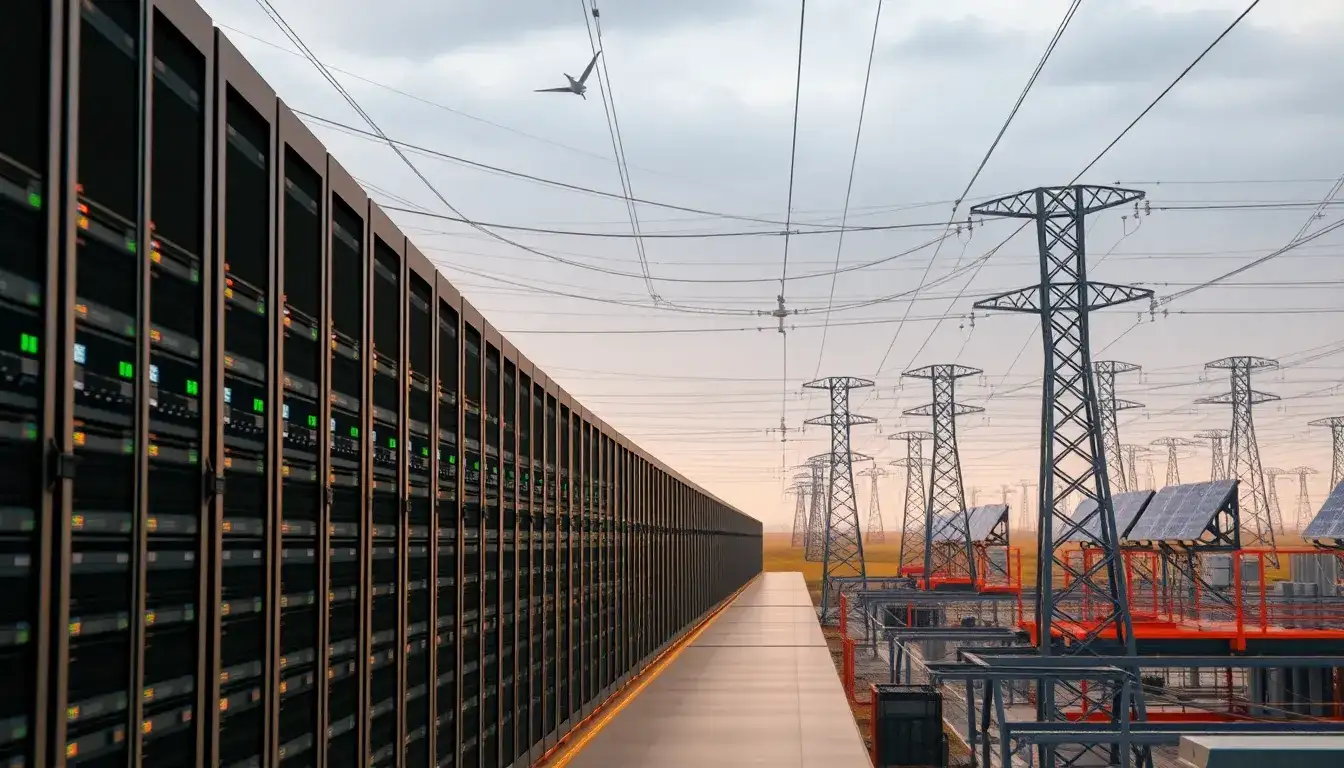
The next wave of digital transformation is gaining momentum as major technology firms increase their investments in artificial intelligence, cloud infrastructure, and next-generation data solutions. The rapid development of data centers is playing a crucial role in supporting various modern technologies. However, this swift growth in the U.S. energy landscape is putting significant strain on energy systems, leading to challenges for policymakers, energy providers, and technology companies.
### The Scale of the Surge
Data centers have rapidly evolved into power-hungry entities within America’s energy framework. According to estimates from the U.S. Department of Energy, these facilities may consume nearly 9% of the nation’s electricity by 2030, more than doubling their current energy footprint. This immense increase is primarily driven by artificial intelligence operations, which require substantial processing power for both the training of complex algorithms and their ongoing implementation, resulting in significant energy and cooling demands.
Regions like Northern Virginia, already home to over 200 data centers, are nearing grid saturation. In a notable incident in July 2024, voltage instability arose when over 60 data centers were disconnected simultaneously, highlighting the fragility of the existing infrastructure.
### A New Category of Grid Risk
The North American Electric Reliability Corporation (NERC) has issued warnings about rising power consumption levels and their potential to undermine the reliability of electrical transmission networks. The explosive growth of data center needs, coupled with widespread electrification initiatives, presents unprecedented challenges for power system operators. Traditional power consumption typically follows steady and predictable patterns, but the new electrical loads behave differently. These demand sources are often clustered in specific areas and can fluctuate dramatically, complicating grid management. Such irregular load profiles severely challenge real-time power balancing efforts, increasing the likelihood of service disruptions and compelling system operators to implement costly mitigation measures.
In several states, major tech companies have requested energy allocations that exceed local grid capacity, leading to delays in new developments and tensions with public stakeholders.
### Big Tech’s Response: Investing in Self-Sufficiency
In response to growing grid constraints, major technology companies are exploring unconventional power solutions. Amazon gained attention last year for acquiring a Pennsylvania data center directly powered by a nuclear facility—an industry first. Meanwhile, Microsoft is investigating ambitious nuclear strategies, including studies on repurposing decommissioned plants. The Three Mile Island site, inactive since 2019, has emerged as a potential candidate for such efforts. Additionally, Meta has entered a long-term contract with Constellation Energy to secure power from the Clinton Clean Energy Center in Illinois.
These initiatives indicate a trend where Big Tech not only consumes energy but also actively reshapes the energy landscape to ensure long-term reliability for its operations.
### Towards Resilient and Smarter Grid Solutions
To balance digital innovation with energy reliability, forward-thinking strategies are essential:
– **Grid-Aware Data Center Operations**: Implementing software that adjusts compute workloads based on real-time grid signals can alleviate stress during peak hours.
– **Energy Efficiency Metrics**: Shifting from generic efficiency ratings to specific metrics such as “energy per AI inference” could drive significant improvements in infrastructure.
– **Demand Response Participation**: High-performance computing systems, due to their flexibility, are well-positioned to participate in grid services and help balance supply-demand discrepancies.
Looking ahead, grid planners must prioritize the integration of distributed energy resources, localized microgrid systems, and collaborative utility agreements. These strategies will become crucial for utilities and regulators as they upgrade critical systems to accommodate high-demand consumers.
### Conclusion
Major technology companies are fueling unprecedented growth in data center development, emphasizing the critical role of digital infrastructure in today’s economy. However, this rapid expansion poses significant challenges for energy oversight bodies and grid operators. Ensuring consistent power reliability amidst these changes requires comprehensive solutions, including updated regulatory frameworks, innovative utility sector approaches, and ongoing collaboration between the technology and energy industries. At Certrec, we specialize in energy compliance and risk management, providing essential expertise to assist organizations in navigating these evolving demands.
### FAQs
**How much energy do Big Tech data centers consume in the U.S.?**
According to the U.S. Department of Energy, data centers consumed approximately 2% of total U.S. electricity in 2022, with projections suggesting that Big Tech firms could double that demand by 2030 due to growth in AI and cloud computing.
**Why is Big Tech’s data center growth a concern for U.S. grid stability?**
The rapid expansion of Big Tech data centers concentrates high energy loads in specific regions, potentially straining local transmission infrastructure and increasing the risk of blackouts or voltage instability in areas with limited grid flexibility.
**What is the projected growth rate of Big Tech data centers through 2030?**
A report by the International Energy Agency (IEA) estimates that data center energy demand in the U.S. will triple by 2030, largely driven by Big Tech’s AI model training, cloud storage, and edge computing services.
**Is the current U.S. grid prepared for Big Tech’s long-term energy growth?**
A 2024 DOE report indicates that over 70% of U.S. grid infrastructure is over 25 years old. Without upgrades, the expected 30% increase in electricity demand from data centers by 2030 could overwhelm critical transmission corridors, particularly in Virginia, Texas, and Oregon.
**How much influence does Big Tech have on U.S. grid policy?**
Big Tech companies are currently involved in over 30 utility regulatory proceedings across 15 U.S. states, advocating for quicker interconnection and green energy incentives. Their influence is growing, with some utilities developing custom rate plans specifically for hyperscale data center customers.
**Disclaimer**: Any opinions expressed in this blog do not necessarily reflect the views of Certrec. This content is intended for informational purposes only.
“`
Original article by NenPower, If reposted, please credit the source: https://nenpower.com/blog/big-techs-data-center-expansion-and-its-impact-on-u-s-grid-stability/

