

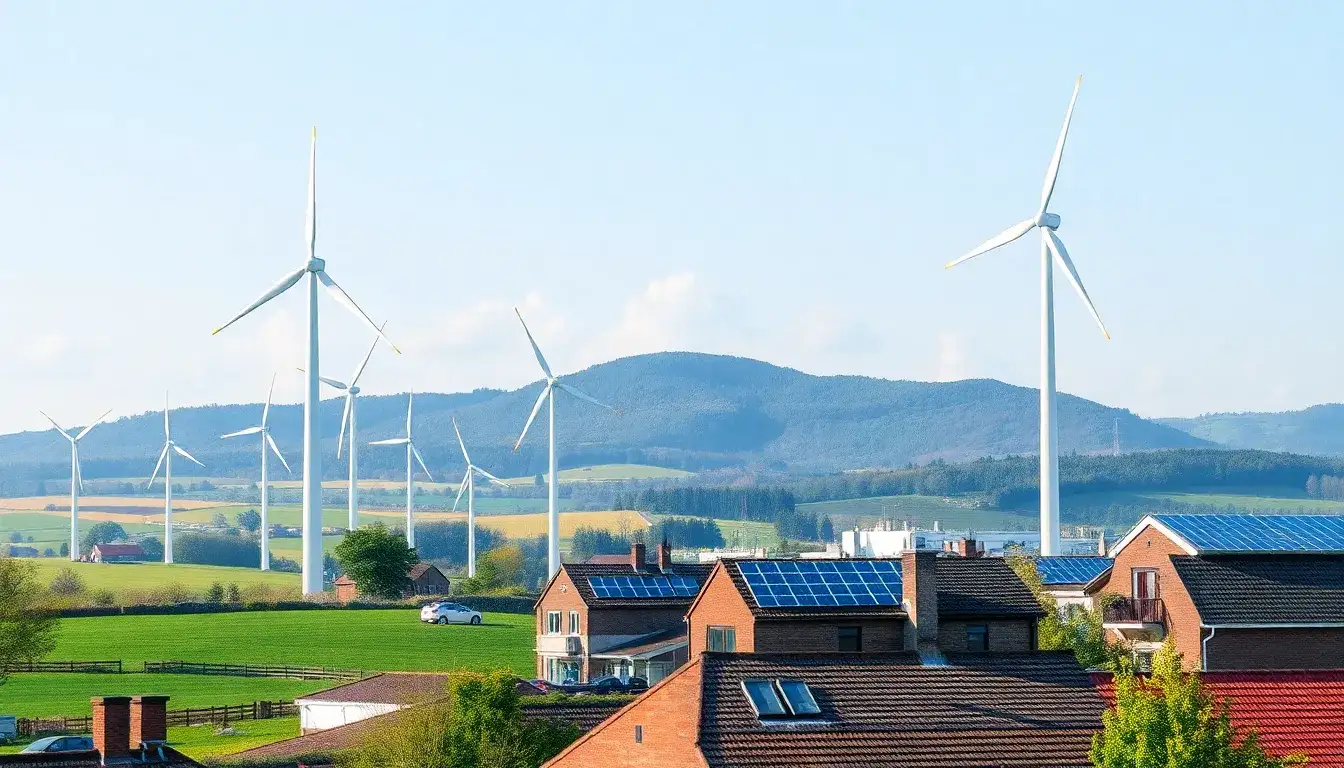
Belgium’s Energy Transition Opportunities: Unlocking Value in Renewable Infrastructure Amid Policy Backing
Belgium’s energy transition is entering a crucial stage, fueled by strong policy support, ambitious renewable energy targets, and corporate power purchase agreements (PPAs) that are transforming the investment landscape. With government funding rapidly increasing for wind, solar, and grid modernization projects, along with PPAs providing predictable cash flows, the country presents a compelling opportunity for investors seeking stable returns in renewable infrastructure. Here’s why now is the time to explore this sector.
### The Offshore Wind Surge: A Foundation for Growth
At the center of Belgium’s renewable energy goals is the Princess Elisabeth Zone, an offshore wind project aiming for a capacity of 3 GW by 2032. Construction is already underway for the first phase, with two of the 23 caissons placed to create an artificial energy island that will serve as a hub for future wind farms. The government’s Contract for Difference (CfD) mechanism guarantees developers stable revenues, helping to mitigate market price fluctuations. Initially tested on nuclear projects, this CfD framework is now expanding to wind energy. This policy tool ensures a minimum revenue stream and has attracted interest from global developers such as Ørsted and Vattenfall. Recent tenders, including the Battery Energy Storage System (BESS) project (with a deadline of June 24, 2025), further highlight the integration of storage solutions to stabilize the grid.
### Solar Expansion: A Cost-Effective Boom
While offshore wind often steals the spotlight, solar energy is quietly gaining traction. Flanders is targeting an increase in solar capacity from 6.7 GW to 10 GW by 2030, capitalizing on declining technology costs that reduce the need for subsidies. Initiatives like the Photovoltaic Power Plant tender (deadline June 10, 2025) and contracts for solar panel installations showcase the sector’s maturity. The transition to market-driven mechanisms, replacing subsidies with PPAs and CfDs, ensures that solar projects remain financially sustainable. Utilities such as Engie and EDF are actively participating in these tenders, demonstrating confidence in long-term returns.
### Grid Modernization: The Unsung Backbone of Renewables
Simultaneously, Belgium is modernizing its grid to accommodate the influx of renewable energy. The Walloon region’s implementation of a “digital twin” grid management system, alongside a full rollout of smart meters by 2029, aims to boost efficiency and flexibility. Interconnection projects with neighboring nations, such as the Nautilus energy island, are also underway, contributing to reduced reliance on fossil fuels. Grid operator Elia is central to these initiatives, with its shares reflecting investor confidence in the long-term value of grid modernization.
### PPAs: The Secret Sauce to Predictable Cash Flows
Corporate PPAs are reshaping the investment landscape. Companies like Anheuser-Busch InBev and BASF are entering agreements to purchase renewable power directly, securing prices and minimizing risk for project developers. This model is crucial for green bonds and infrastructure funds, which now benefit from reliable revenue streams that justify their valuations.
### Investment Opportunities: Where to Play
– **Infrastructure Funds**: Investing in listed funds like the European Energy Infrastructure (EUI) or iShares Global Infrastructure ETF (IFRA) provides diversified access to projects like the Princess Elisabeth Zone and grid improvements.
– **Green Bonds**: Belgian utilities such as Engie and Luminus issue bonds linked to renewable projects, offering fixed returns with low default risk.
– **Utilities Stocks**: Companies like Elia and Engie are strong candidates, given their active roles in tenders and grid modernization initiatives.
### Risks and Considerations
Despite a positive outlook, challenges persist. Delays in HVDC infrastructure contracts and regional grid resistance could hinder progress. Investors should keep an eye on Elia’s project execution metrics and the consistency of the Belgian government’s policies.
### Conclusion: A Transition with Tangible Returns
Belgium’s energy transition is not just an environmental necessity—it’s a lucrative opportunity for infrastructure investors. With robust policy support, corporate PPAs, and a pipeline of funded projects, the sector promises low volatility, long-term cash flows, and alignment with the EU’s 2030 climate objectives. For portfolios seeking resilience, now is the time to invest in Belgium’s renewable future. The data indicates that Belgium’s renewables are set to surpass legacy fuels, making this transition a wise investment for the coming decade.
Original article by NenPower, If reposted, please credit the source: https://nenpower.com/blog/belgiums-renewable-energy-transition-capitalizing-on-policy-support-and-infrastructure-investment-opportunities/

