

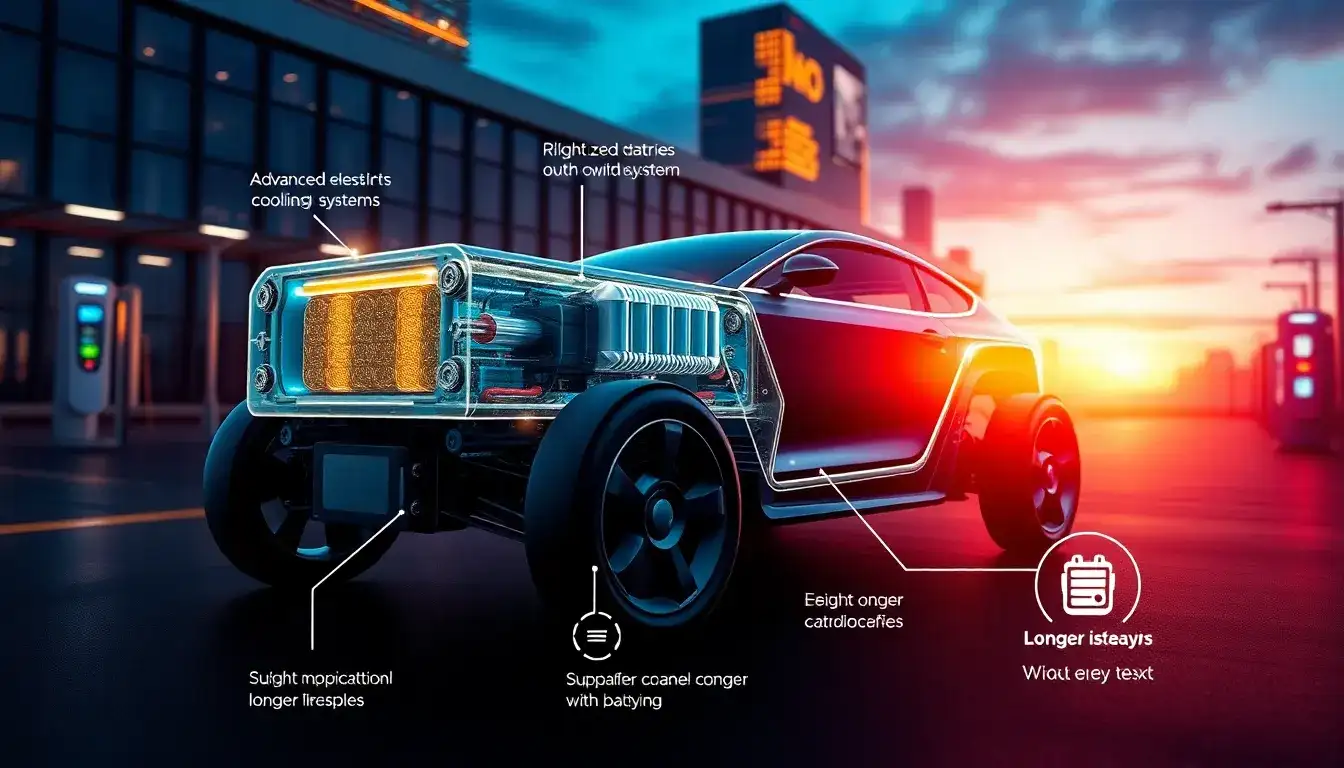
Electric vehicles (EVs) predominantly use lithium-ion batteries, which have various chemistries. Among these, LFP (LiFePO4) batteries stand out for their safety, longevity, and reliability, making them suitable for EV applications. They offer a long cycle life and are cost-effective, though their energy density is lower compared to other lithium-ion variants.
However, most modern EVs use lithium-ion batteries with different chemistries like NMC (Nickel-Manganese-Cobalt) or NCA (Nickel-Cobalt-Aluminum). These batteries provide higher energy density but require careful management to optimize lifespan. Advances in battery management systems (BMS) and thermal management have significantly improved the longevity of EV batteries.
Recent studies suggest that real-world driving conditions can extend the lifespan of EV batteries beyond initial expectations, possibly leading to batteries lasting up to 40% longer than previously thought. While there are emerging technologies like lithium-air batteries that promise even longer ranges and lifespans, they are still in development stages.
To summarize:
- LFP Batteries: Known for safety and longevity, suitable for applications requiring reliability.
- Lithium-Ion Batteries Used in EVs: Generally optimized for energy density and managed with advanced systems to prolong lifespan.
- Emerging Technologies: Lithium-air batteries hold promise but are not yet commercially available.
Manufacturers like Tesla are working on extending battery life, with goals like achieving a million-mile battery, but these developments are ongoing.
Original article by NenPower, If reposted, please credit the source: https://nenpower.com/blog/are-there-specific-types-of-lithium-ion-batteries-designed-specifically-for-electric-vehicles-that-offer-longer-lifespans/

