

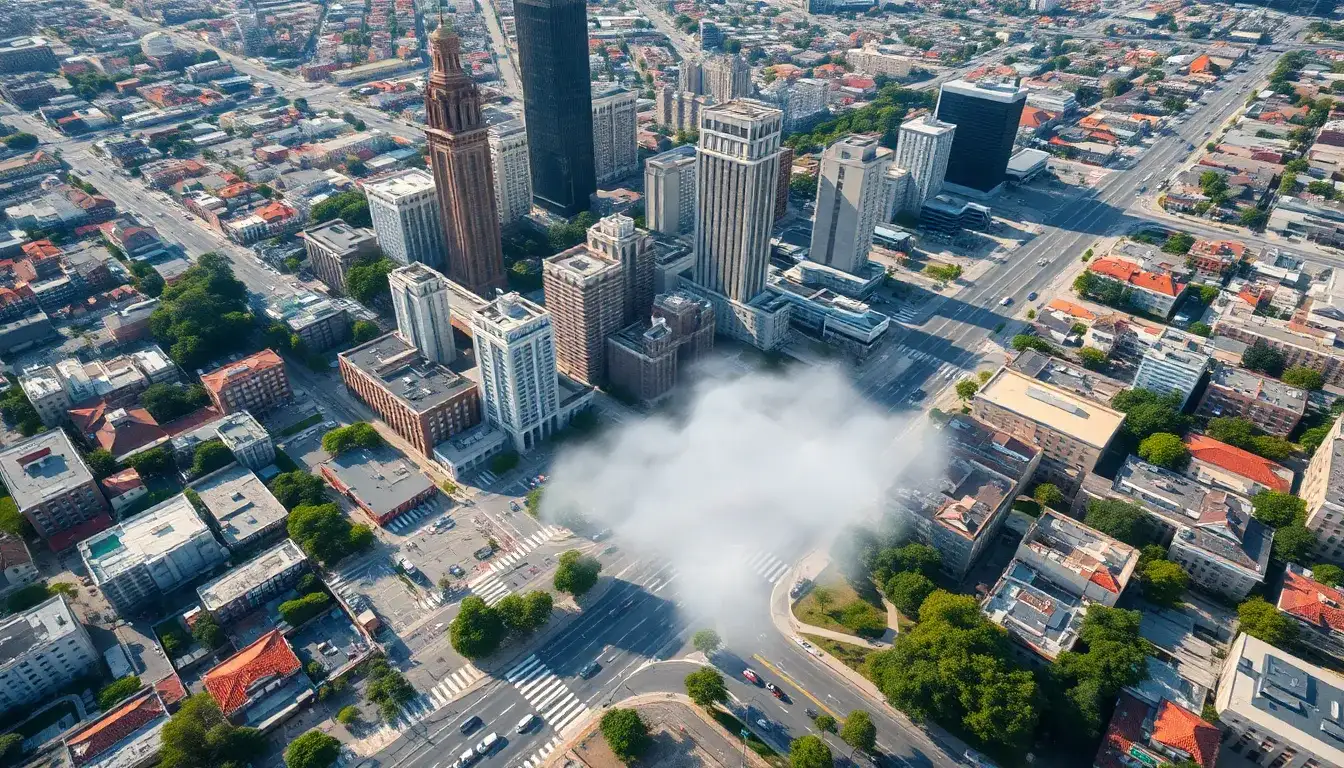
The impact of electric vehicles (EVs) on PM2.5 levels in Los Angeles neighborhoods is not directly addressed in the current literature. However, EVs, as electric vehicles, do not emit PM2.5 directly, as they do not have combustion engines. Instead, the primary concerns regarding air quality in Los Angeles are typically linked to factors such as proximity to major freeways, airports, or wildfire smoke. Here’s a breakdown of affected neighborhoods and factors:
Factors Affecting PM2.5 Levels in Los Angeles
- Freeway Proximity: Neighborhoods like Chinatown and Downtown have high PM2.5 levels due to their proximity to major freeways.
- Airport Activities: Areas like North Westdale experience high ultrafine particle concentrations because of aircraft activities at nearby airports, such as Santa Monica Airport.
- Wildfire Smoke: Smoke from wildfires significantly impacts air quality throughout Los Angeles, causing hazardous conditions and is not directly related to EVs.
Neighborhoods with High and Low PM2.5 Levels
- High PM2.5 Levels:
- Chinatown and Downtown are noted for having consistently high levels of PM2.5.
- Boyle Heights is affected by roadway pollution due to its location near major freeways.
- Low PM2.5 Levels:
- Neighborhoods like Altadena, situated near natural areas like the San Gabriel Mountains, typically have cleaner air.
- Other areas with good air quality include Lake View Terrace, Val Verde, and La Habra Heights.
In summary, EVs themselves are not a source of increased PM2.5, and traditional pollutants like those from combustion engines or wildfires are the main contributors to poor air quality in Los Angeles.
Original article by NenPower, If reposted, please credit the source: https://nenpower.com/blog/are-there-specific-neighborhoods-in-los-angeles-more-affected-by-increased-pm2-5-from-evs/

