

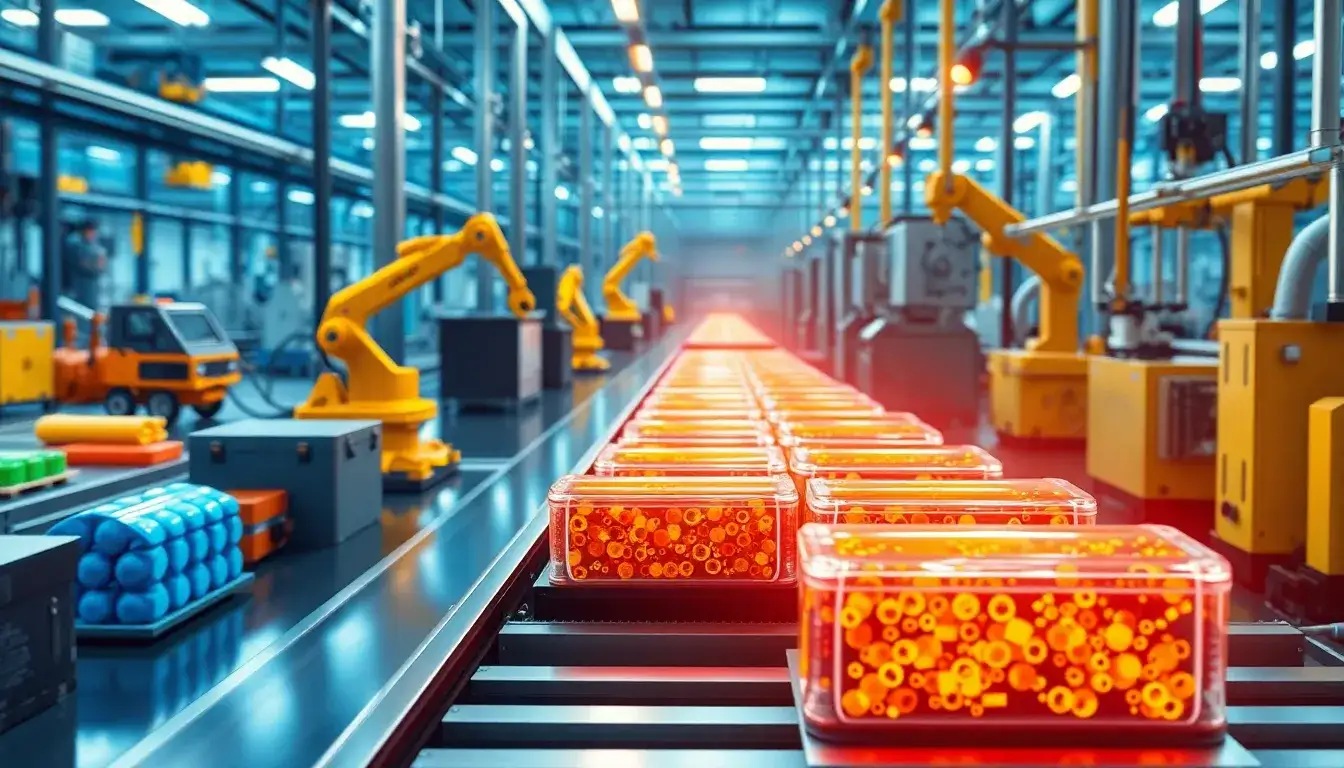
Impact of Materials and Manufacturing Processes on Longer-Duration Battery Costs
The cost of longer-duration batteries is influenced by several factors related to materials and manufacturing processes. Here are some of the key considerations:
Materials
- Chemistry: The type of lithium-ion battery chemistry, such as lithium iron phosphate (LFP) or nickel manganese cobalt (NMC), affects the cost. LFP batteries are often less expensive than NMC but may have lower energy density, which is a trade-off for longer-duration applications.
- Cobalt Reduction: Efforts to reduce cobalt content in batteries can lead to lower material costs, as cobalt is expensive. Alternative chemistries like LFP and sodium-ion batteries are being explored to reduce dependence on cobalt.
- Supply Chain: The availability and cost of raw materials such as lithium, nickel, and graphite can fluctuate, influencing the overall cost of batteries.
Manufacturing Processes
- Economies of Scale: Larger production volumes can lead to lower costs due to economies of scale in manufacturing. This includes reduced labor costs and more efficient use of equipment.
- Innovation in Cell Design: Improvements in cell design and manufacturing efficiency can reduce production costs. Technologies like solid-state batteries are promising for future cost reductions.
- Energy Density: For longer-duration batteries, improving energy density without increasing cost is crucial. This can be achieved through better cell and module design, allowing more energy storage in the same physical space.
- Recycling and Repurposing: Developing effective recycling and repurposing processes for spent batteries can reduce waste and recover valuable materials, potentially lowering the cost of new batteries over time.
Cost Reduction Strategies
- Research and Development: Ongoing R&D in battery technology is crucial for reducing costs. Governments and corporations are investing heavily in battery innovation, which will drive cost reductions over time.
- Market Competition: Increased competition in the battery market can drive down prices as manufacturers seek to undercut each other.
- Learning Curve Effects: As more batteries are produced, manufacturers learn how to improve efficiency and reduce costs, contributing to a natural learning curve effect that lowers the cost per unit over time.
In summary, both materials and manufacturing processes play significant roles in determining the cost of longer-duration batteries. Continuing innovations in these areas are expected to lead to further cost reductions in the future.
Original article by NenPower, If reposted, please credit the source: https://nenpower.com/blog/are-there-specific-materials-or-manufacturing-processes-that-affect-the-cost-of-longer-duration-batteries/

