

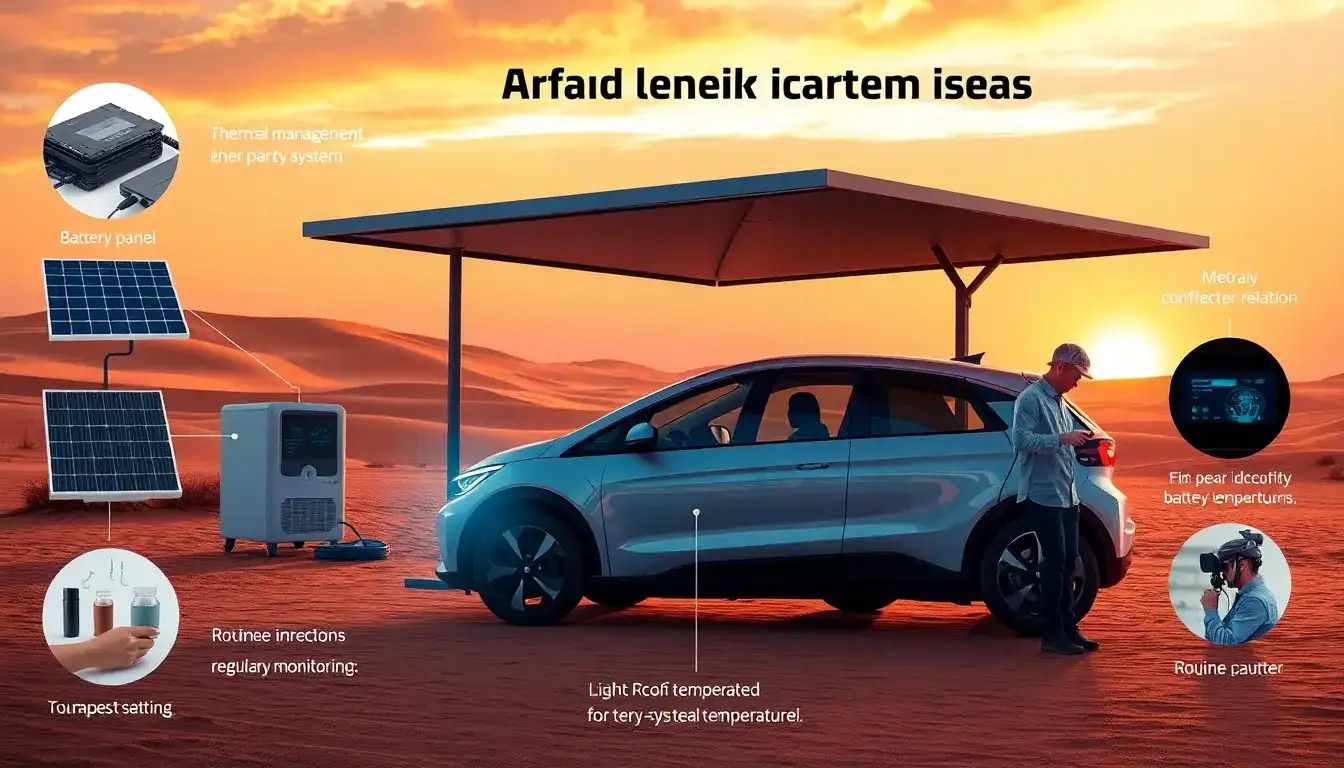
To prevent battery degradation in hot climates, several targeted maintenance practices are recommended based on expert guidance:
Park strategically
Park in shaded areas, garages, or use a sunshade to reduce heat exposure and slow the battery’s self-discharge rate. Elevated temperatures under the hood can exceed ambient air temperatures, accelerating electrochemical reactions and fluid evaporation.
Clean terminals
Regularly remove dirt, grime, and corrosion from battery terminals to ensure efficient energy transfer and reduce resistance.
Avoid accessory use when idle
Minimize battery drain by refraining from using lights, stereos, or other electronics while the engine is off.
Charge frequently
For infrequently driven vehicles, use a smart charger or battery minder to maintain optimal charge levels and counteract self-discharge. Manufacturers note that batteries exposed to temperatures above 20°C may require recharging, with self-discharge rates doubling every 10°C rise.
Drive regularly
Take trips lasting at least 20 minutes to allow the alternator to replenish the battery.
Check fluid levels (if applicable)
For batteries with removable caps, verify electrolyte levels to prevent damage from evaporation in extreme heat.
These practices address the accelerated self-discharge and fluid loss caused by high temperatures, which are more detrimental to batteries than cold weather in many cases.
Original article by NenPower, If reposted, please credit the source: https://nenpower.com/blog/are-there-specific-maintenance-practices-to-mitigate-battery-degradation-in-hot-climates/

