

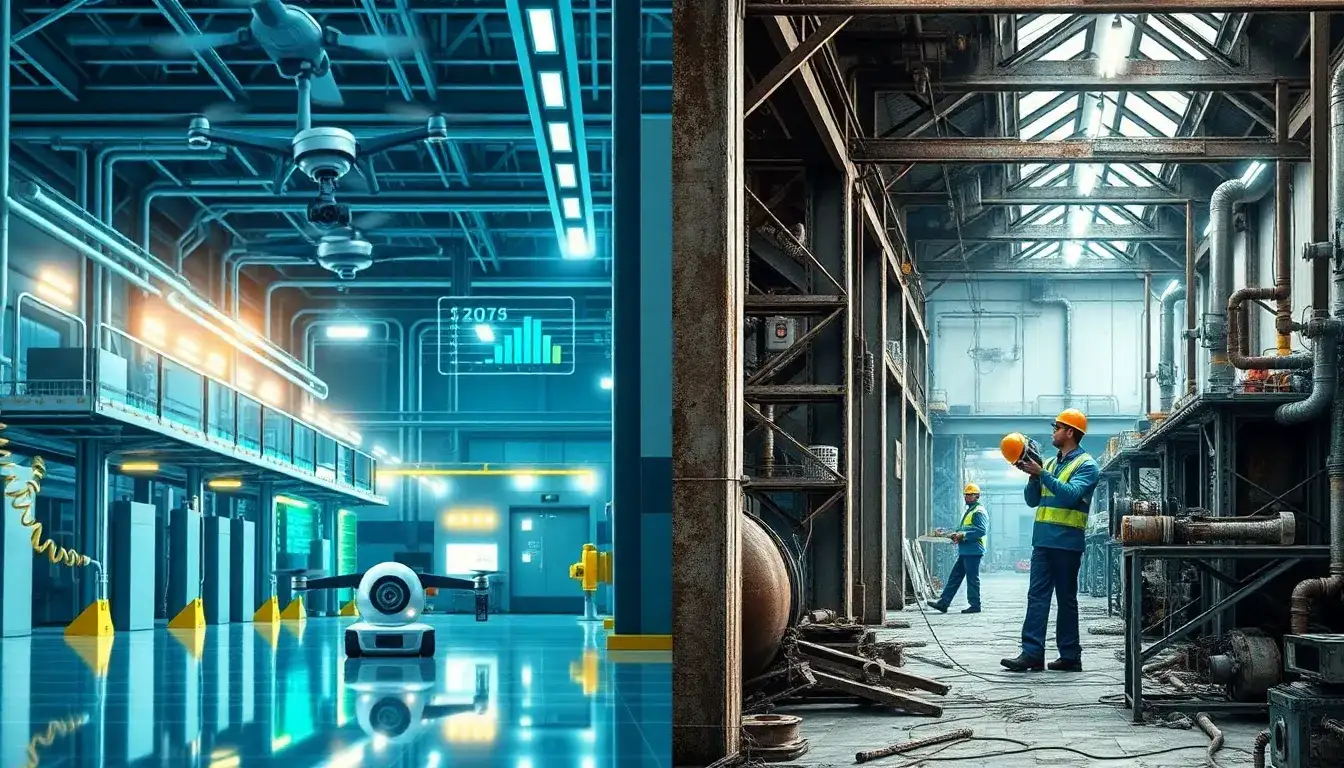
When comparing newer facilities with older ones, specific maintenance practices can be more effective based on the age and technology level of the facility. Here’s a breakdown of effective practices for both contexts:
Maintenance Practices for Newer Facilities
1. Integration of Smart Technologies and IoT
- Benefits: Newer facilities often incorporate smart building technologies, which include IoT sensors for real-time monitoring of systems and equipment. This allows for predictive maintenance by identifying potential issues before they become critical.
- Implementation: Install smart HVAC systems, automated lighting controls, and sensors to monitor equipment health and optimize energy usage.
2. Data-Driven Decision Making
- Benefits: Newer facilities can leverage advanced data analytics and AI tools to predict maintenance needs and optimize scheduling, thereby increasing efficiency.
- Implementation: Use Computerized Maintenance Management Systems (CMMS) to automate tasks, track maintenance schedules, and analyze performance data.
3. Sustainability Initiatives
- Benefits: New facilities can incorporate energy-efficient systems from the outset, reducing operational costs and environmental impact.
- Implementation: Install energy-efficient lighting and HVAC systems, implement waste management programs, and use eco-friendly materials.
Maintenance Practices for Older Facilities
1. Preventive Maintenance Schedules
- Benefits: Older facilities benefit from regular preventive maintenance to extend equipment lifespan and prevent costly failures.
- Implementation: Develop detailed maintenance schedules for all equipment, focusing on routine inspections and repairs.
2. Safety Inspections and Compliance
- Benefits: Regular safety checks are crucial for maintaining compliance with safety standards and preventing accidents in older facilities.
- Implementation: Conduct regular fire safety checks, electrical system inspections, and plumbing maintenance to ensure compliance and safety.
3. Upgrades and Modernization
- Benefits: Gradually upgrading older facilities with newer technologies can improve efficiency and reduce maintenance costs.
- Implementation: Consider retrofitting with modern energy-efficient systems and integrating smart technologies where feasible.
In summary, newer facilities can benefit significantly from cutting-edge technologies and data-driven strategies, while older facilities require a focus on preventive maintenance and compliance, with opportunities for modernization when possible.
Original article by NenPower, If reposted, please credit the source: https://nenpower.com/blog/are-there-specific-maintenance-practices-that-are-more-effective-for-newer-facilities-compared-to-older-ones/

