

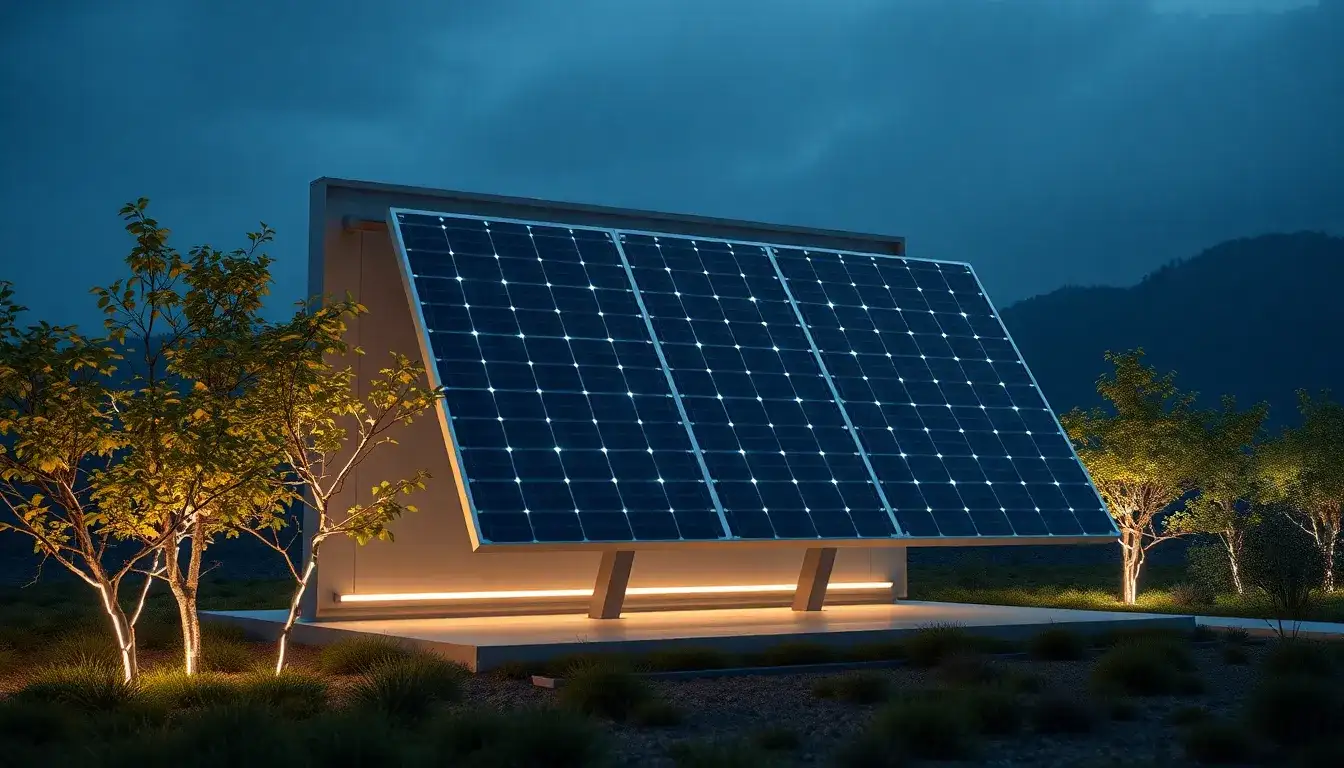
Installation Techniques to Maximize Efficiency in Low-Light Environments
1. Optimize Panel Height and Clearance
Elevate bifacial panels higher than usual—ideally at least 1 meter (3.3 feet) above the ground or roof surface. This clearance increases the amount of reflected light reaching the panel’s rear side and reduces shading at the bottom edge, which is particularly beneficial in low-light settings where every bit of reflected light counts. For roof installations, maintain at least 10-15 cm (4-6 inches) clearance behind the panels to promote airflow and improve reflection.
2. Use High-Albedo Ground Surfaces
Install panels above surfaces with high reflectivity (albedo), such as light-colored gravel, white roofs, or reflective materials like concrete or sand. These surfaces reflect more diffuse and indirect sunlight onto the rear of the panels, enhancing rear-side efficiency in low-light conditions. Avoid dark soils or shaded areas that absorb light and reduce rear illumination.
3. Optimize Tilt Angle and Orientation
Adjust the tilt angle to between 20 to 30 degrees (or as best suited for the local latitude) to maximize direct and diffuse light capture. Proper orientation (usually true south in the northern hemisphere) ensures panels get the highest sun exposure throughout the day, crucial when sunlight is limited.
4. Implement Optimal Row Spacing
Maintain adequate spacing between panel rows, generally starting at a minimum of 2.5 meters, so that sunlight can reach the ground and reflect under the panels. Wider spacing improves light availability to the rear in low-light environments, reducing shading between rows and increasing overall yield.
5. Use Specialized Mounting Systems
Select mounting systems designed to elevate and angle panels appropriately to maximize light capture on both sides. Rigid mounts that ensure stability while allowing optimal height and tilt adjustments help maintain efficiency in all lighting conditions.
6. Avoid Shading and Site Obstacles
Perform thorough site assessments to identify and minimize shading from trees, buildings, or other obstructions, which disproportionately impact bifacial panels in low-light environments by reducing both direct and reflected light.
In summary, for low-light environments, maximizing bifacial panel efficiency relies heavily on elevating the panels for better rear illumination, installing over reflective surfaces, optimizing tilt and row spacing to maximize light capture, and minimizing shading through careful site selection and layout. These approaches collectively enhance the amount of diffuse and reflected light the panels receive, boosting their performance even when sunlight levels are not ideal.
Original article by NenPower, If reposted, please credit the source: https://nenpower.com/blog/are-there-specific-installation-techniques-that-maximize-the-efficiency-of-bifacial-panels-in-low-light-environments/

