

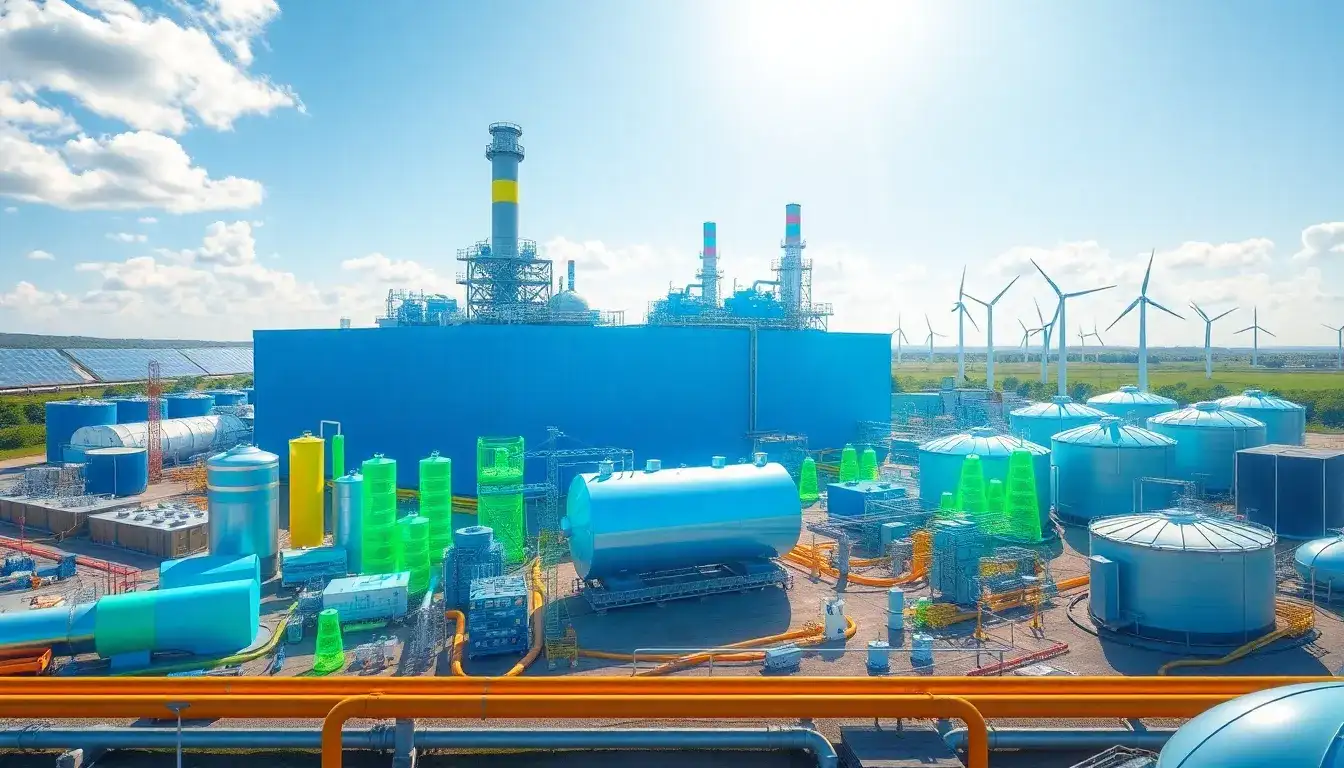
Thermal energy storage (TES) can be more cost-effective than lithium-ion batteries in certain industries, particularly those requiring high-temperature heat for processes, such as:
- Industrial Processes:
- Steel and Glass Manufacturing: These industries require extremely high temperatures (up to 1,500°C) for their processes, which TES can provide efficiently. The materials used in TES, like refractory bricks or molten salt, are well-suited for these applications, offering significant cost savings over traditional fossil fuel-based heating methods.
- Chemicals: Similar to steel and glass, chemical processing often demands high heat, making TES a cost-effective alternative to traditional heating methods.
- Building Heating and Cooling:
- TES can also be cost-effective for building heating and cooling by storing heat for later use, reducing the need for real-time energy consumption during peak hours.
- Grid Support:
- TES can help manage grid volatility by absorbing excess renewable energy and releasing it as needed, reducing peak costs and grid congestion, which can be more cost-effective than battery solutions for large-scale thermal applications.
Why TES is Cost-Effective
- Material Costs: TES often uses materials like molten salt, volcanic rocks, or refractory bricks, which are more readily available and potentially cheaper than the lithium used in lithium-ion batteries.
- Scalability: TES can be scaled to meet industrial demands more easily than lithium-ion batteries, especially for high-temperature applications.
- Energy Loss: While lithium-ion batteries have efficiency losses during charging and discharging, TES can maintain high efficiency over longer storage durations.
However, the choice between TES and lithium-ion batteries depends on the specific application requirements, including temperature needs, energy storage duration, and cost considerations. For applications requiring frequent, rapid charging and discharging cycles, lithium-ion batteries might still be preferable.
Original article by NenPower, If reposted, please credit the source: https://nenpower.com/blog/are-there-specific-industries-where-thermal-energy-storage-is-more-cost-effective-than-lithium-ion-batteries/

