

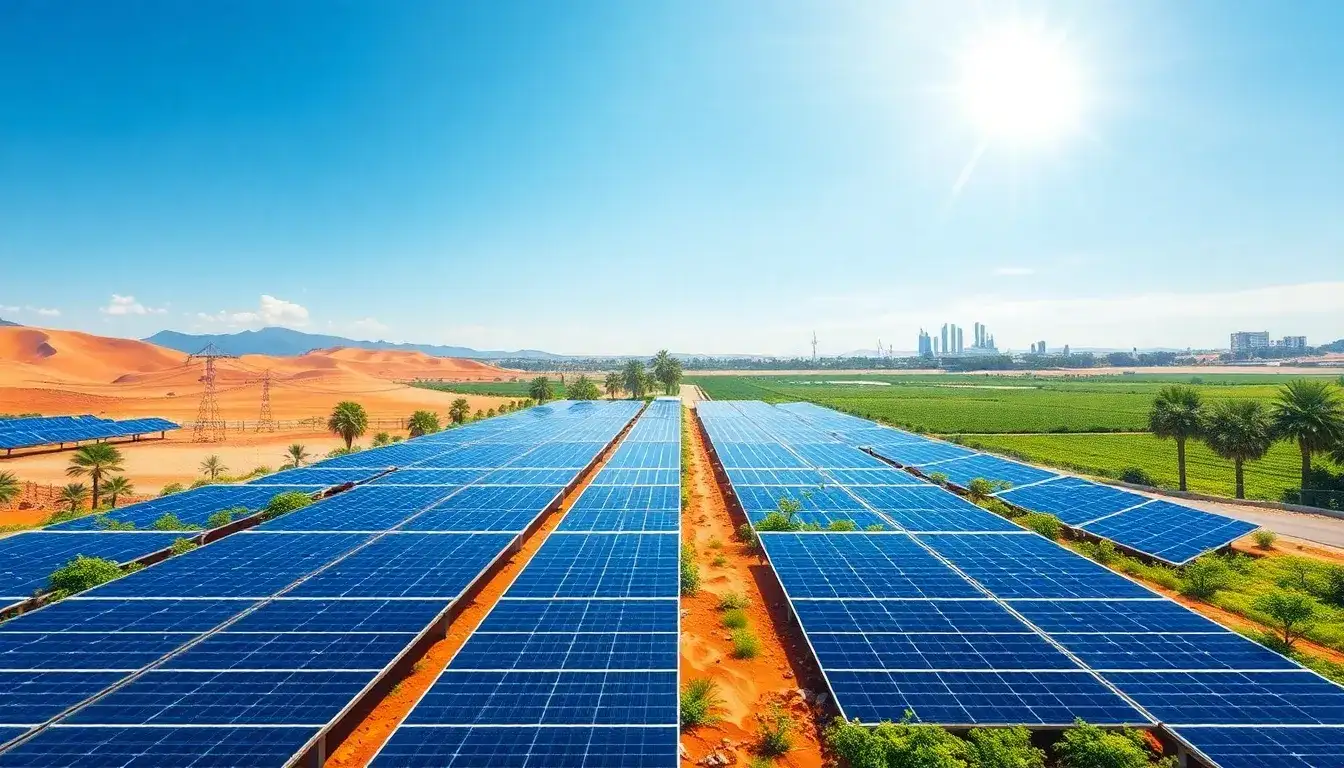
Recent U.S. policy changes have removed preferential treatment for bifacial solar panels via tariff exemptions, but regional adoption is influenced by their technical advantages and market dynamics. Key points:
-
Termination of tariff exemption
The Biden Administration reinstated Section 201 tariffs on bifacial solar modules in 2024, reversing a 2022 exemption. This increases costs for utility-scale projects using bifacial panels by 1-2%. However, a 90-day grace period allows pre-existing contracts to proceed. -
Technical advantages driving adoption
Bifacial panels generate up to 20% more energy than monofacial modules, making them preferable in space-constrained regions or for large-scale projects prioritizing efficiency. This inherent benefit, rather than current policies, fuels their use in areas like commercial/industrial sites and high-value land zones. -
Quota adjustments for solar cells
The tariff-rate quota for silicon solar cells (used in all panels) was raised to 12.5 GW annually, which indirectly supports domestic solar manufacturing but does not specifically favor bifacial technology.
No active region-specific subsidies or mandates for bifacial panels are indicated in recent policies. Their adoption remains market-driven, influenced by efficiency gains rather than targeted governmental incentives.
Original article by NenPower, If reposted, please credit the source: https://nenpower.com/blog/are-there-specific-government-policies-that-favor-the-use-of-bifacial-solar-panels-in-certain-regions/

