Government Incentives for Energy Storage
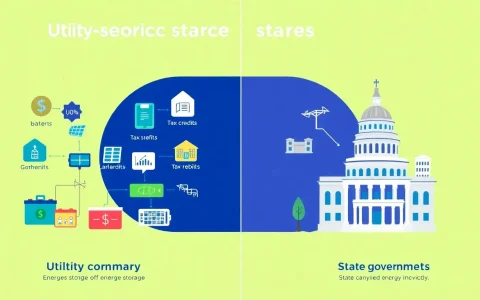
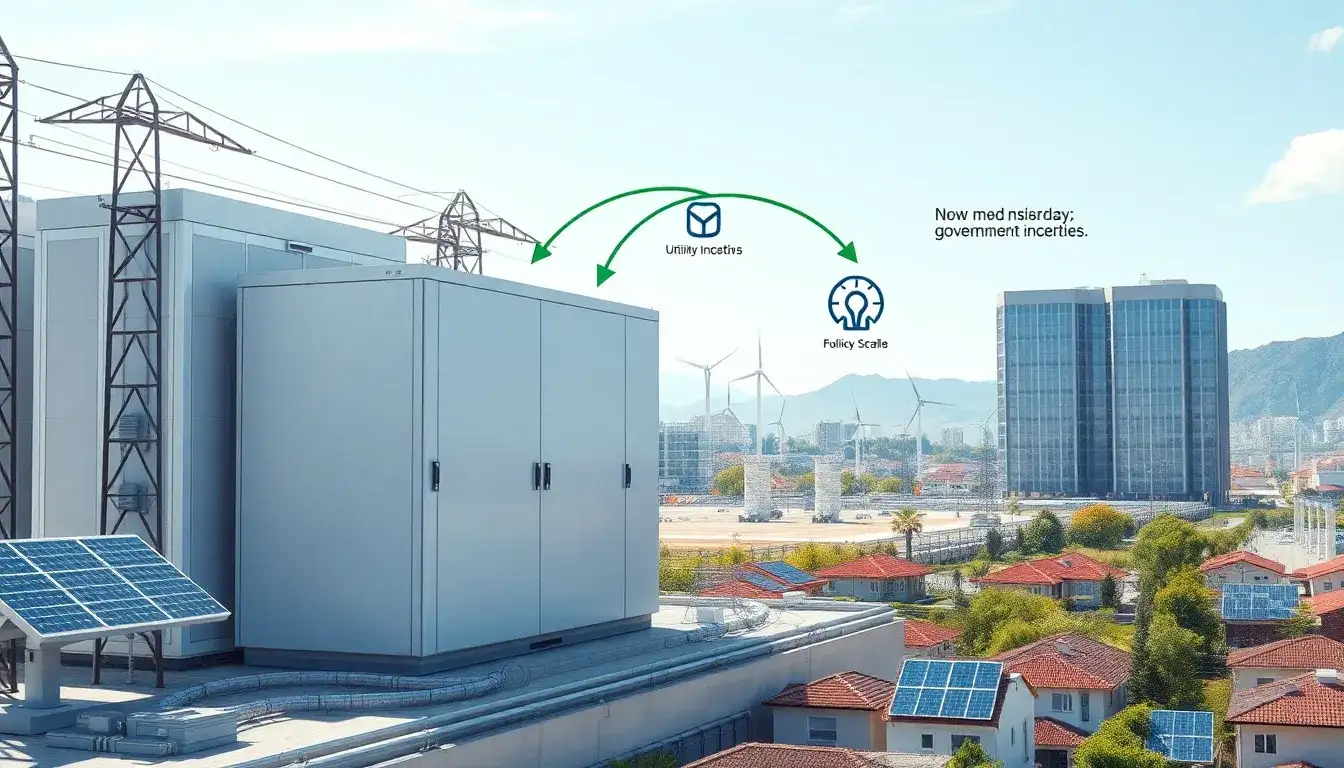
Government incentives for energy storage vary between utility-scale and residential systems. Here’s a breakdown of the current incentives and differences:
Utility-Scale Incentives
- Clean Electricity Investment Credit (CEIC): This credit offers up to 50% of the project cost for utility-scale battery storage installations. It starts at six percent and can increase based on factors like the use of U.S.-based materials or location in energy communities. This replaced the Inflation Reduction Act (IRA) incentives for commercial projects in 2025.
- State Procurement Mandates: Some states require utilities to include energy storage in their resource planning, which can drive demand for utility-scale projects.
- Federal Manufacturing Credits: The Inflation Reduction Act includes incentives for domestic battery manufacturing, which can indirectly benefit utility-scale installations by reducing costs.
Residential Incentives
- Federal Investment Tax Credit (ITC): Provides a 30% tax credit for residential battery storage systems over 3 kWh until 2032 under the IRA.
- State-level Rebates: Programs like California’s Self-Generation Incentive Program (SGIP) offer rebates for residential battery installations, often targeting emergency power needs and grid stability.
- Utility Programs: Some utilities offer rebates or incentives for residential battery installations that help manage peak demand and improve grid stability.
While both utility-scale and residential systems have incentives, utility-scale projects often benefit from larger-scale credits like the CEIC, which can offer up to 50% of project costs. Additionally, utility-scale projects are more likely to be driven by state procurement mandates and broader economic incentives related to large-scale renewable integration and grid reliability. Residential systems, on the other hand, rely heavily on federal tax credits and state-level rebates, which are smaller but still significant for individual homeowners.
Original article by NenPower, If reposted, please credit the source: https://nenpower.com/blog/are-there-specific-government-incentives-that-favor-utility-scale-bess-over-residential-ones/