

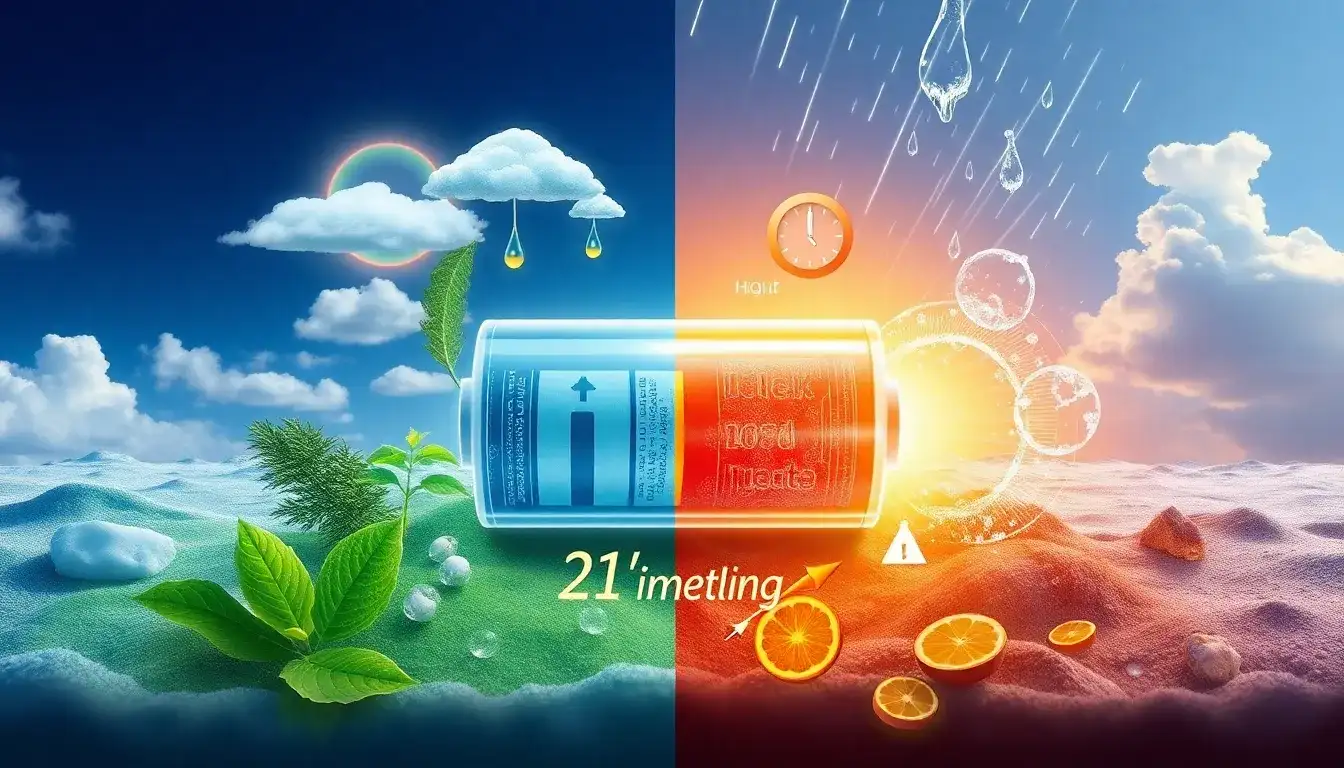
Yes, specific environmental conditions significantly affect the lifespan of lithium-ion batteries. These factors include:
- Temperature: Extreme temperatures, both hot and cold, can have detrimental effects on battery life. High temperatures accelerate chemical reactions within the battery, leading to faster degradation, while very low temperatures can reduce the battery’s ability to deliver power efficiently.
- Storage Conditions: Proper storage is equally important. Keeping batteries in a cool, dry place at a partial charge can help prevent premature degradation. Avoiding physical damage such as impacts or exposure to moisture also protects the battery’s internal structure.
- Vibration and Shock: Strong vibrations or shocks can damage the battery’s internal components like pole lugs and connections, affecting its lifespan and safety.
- Depth of Discharge (DoD): Consistently discharging a battery to very low levels can significantly reduce its lifespan. It is recommended to maintain a DoD between 20% and 80% for optimal longevity.
- Charging Patterns: How you charge a lithium-ion battery impacts its lifespan. Rapid charging can stress the battery, leading to faster degradation. It’s generally better to charge batteries at a slower, consistent rate.
- Usage Patterns: Batteries used heavily or continuously tend to wear out faster than those used intermittently. High current draws or rapid discharge rates contribute significantly to battery degradation over time.
These environmental and usage conditions play a crucial role in determining how long lithium-ion batteries will last and how well they perform over their lifespan.
Original article by NenPower, If reposted, please credit the source: https://nenpower.com/blog/are-there-specific-environmental-conditions-that-affect-the-lifespan-of-lithium-ion-batteries/

