

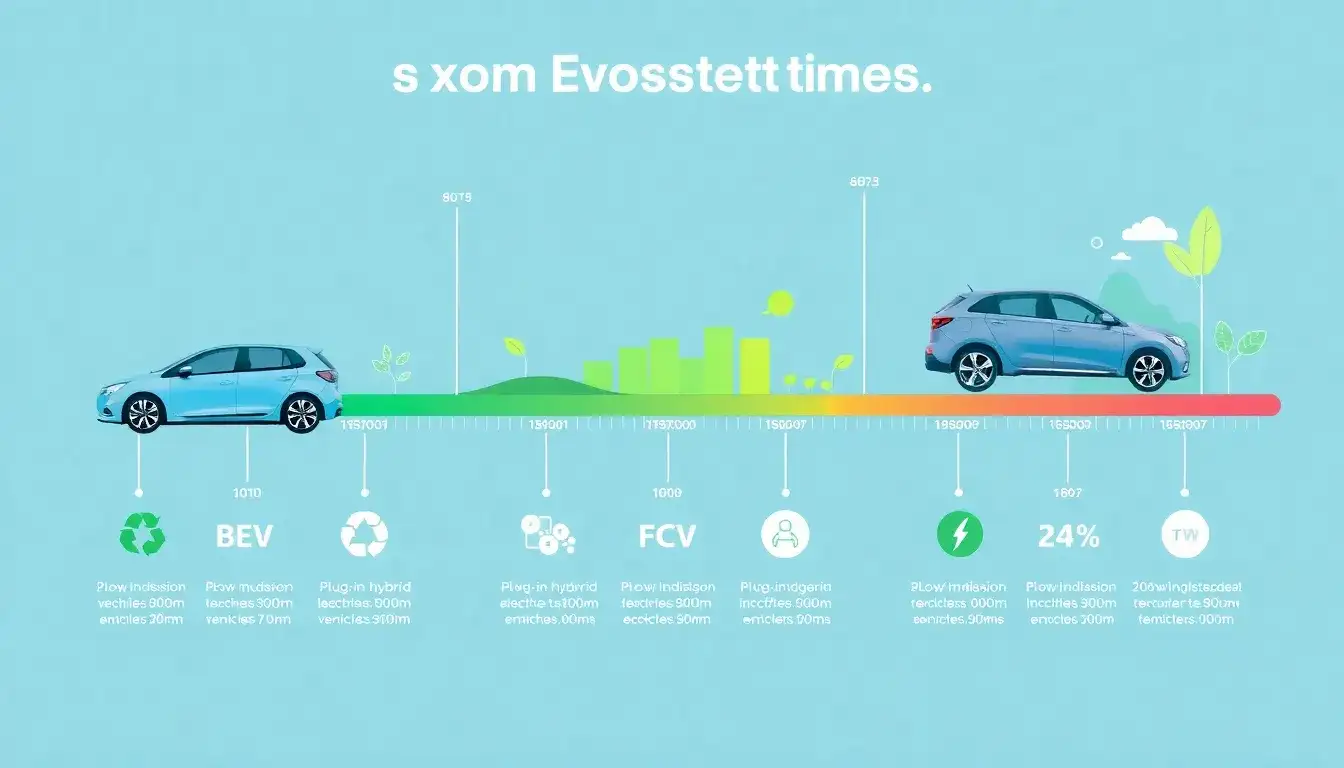
Emissions offset times for electric vehicles (EVs) typically refer to how long it takes for EVs to offset their higher initial production emissions compared to gasoline-powered vehicles through reduced emissions during operation. While specific differences between types of EVs are not widely detailed, there are some considerations:
- General EVs (Battery Electric Vehicles, BEVs):
- It generally takes between one and two years for a BEV to offset its higher production emissions compared to a gasoline car, depending on factors like where the vehicle and its battery are produced and how clean the electricity used for charging is.
- Plug-in Hybrid Electric Vehicles (PHEVs):
- For PHEVs, the emissions reduction is influenced by the “utility factor,” which is the proportion of miles driven on electricity. Official ratings might not reflect real-world use, affecting emissions savings.
- PHEVs can offer less significant emissions reductions compared to BEVs since they still rely on combustion for some of their operation.
- Variation Among EVs:
- While there isn’t extensive data on specific types of EVs beyond BEVs and PHEVs, factors like vehicle size, production location, and charging source can influence emissions offset times.
- Larger EVs (like SUVs) may have slightly longer offset times due to higher production emissions, but they still generally offer significant lifetime emissions reductions compared to their ICE counterparts.
In summary, the primary differences in emissions offset times are influenced more by the general type of EV (BEV vs. PHEV) and external factors like production and charging conditions rather than specific subtypes within these categories.
Original article by NenPower, If reposted, please credit the source: https://nenpower.com/blog/are-there-significant-differences-in-emissions-offset-times-between-different-types-of-evs/

