

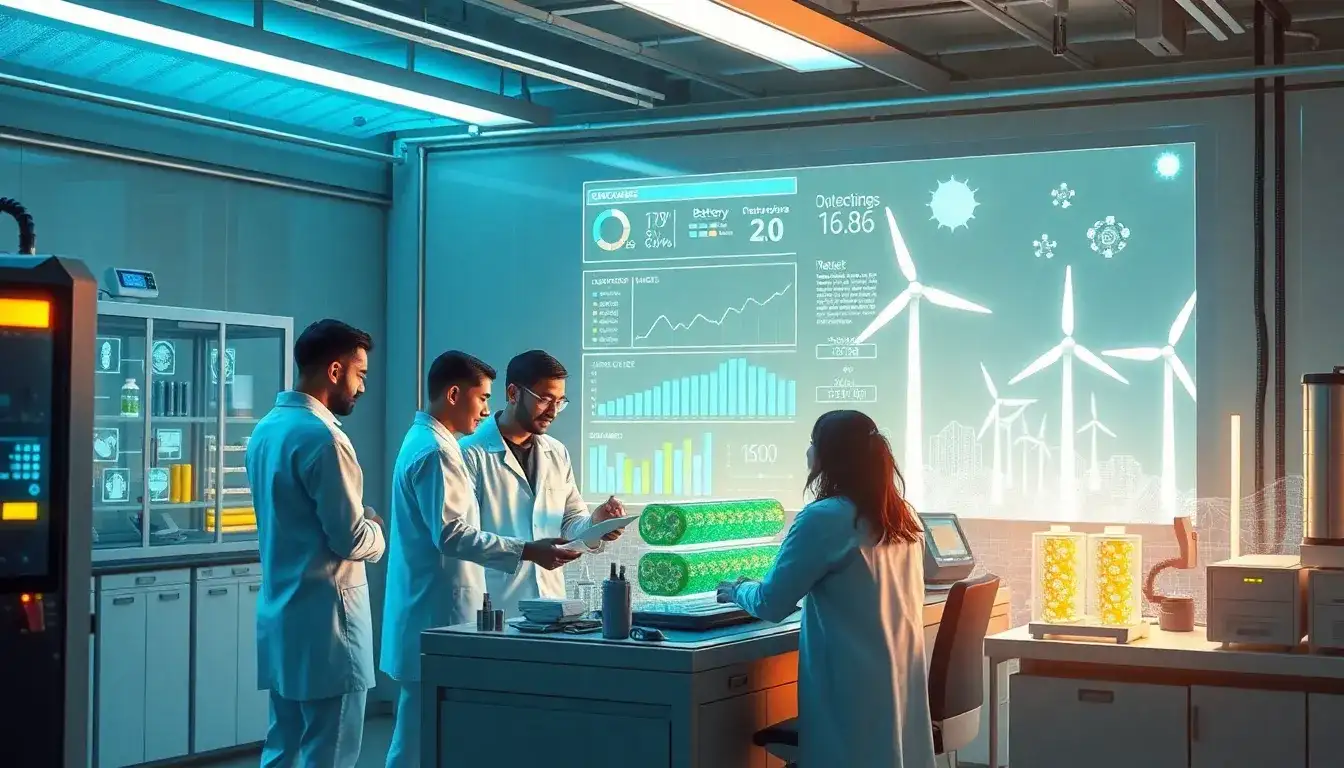
Yes, several upcoming technologies and advancements hold the potential to reduce the cost of lithium-ion batteries further:
Upcoming Technologies
- Silicon Anodes: Silicon has a theoretical capacity ten times that of graphite, commonly used in lithium-ion batteries. Companies like Group14 Technologies, Nexeon, and Sila Nano are developing silicon anode technologies that could increase energy density by up to 50% in the long term.
- Lithium Metal Anodes: Lithium metal offers high energy density similar to silicon. However, its use is challenging due to issues like low efficiency and short cycle life. Anode-free designs aim to overcome these challenges.
- Solid-State Batteries: Replacing liquid electrolytes with solid-state materials enhances safety and can improve energy density. Companies like Samsung SDI are investing in solid-state battery technologies.
- New Cathode Materials: The shift to lower-cost materials like LFP (Lithium Iron Phosphate) and new developments like LMFP (Lithium Manganese Iron Phosphate) aim to balance cost with energy density.
Cost Reduction Strategies
- Manufacturing Innovations: Advances in cell production processes can lead to significant cost savings.
- Supply Chain Improvements: Efforts to enhance supply chain efficiency and reduce material costs will further decrease battery prices.
- Recycling and Sustainable Materials: Focusing on recyclable and sustainable materials can reduce environmental impact and lower long-term costs.
Market Dynamics
- Oversupply: The global oversupply of lithium-ion batteries is expected to continue until at least 2028, contributing to downward pressure on prices.
- Policy Support: Government policies promoting electric vehicles and renewable energy can drive demand and stimulate further innovation and cost reductions.
Original article by NenPower, If reposted, please credit the source: https://nenpower.com/blog/are-there-any-upcoming-technologies-that-could-reduce-the-cost-of-lithium-ion-batteries-further/

