

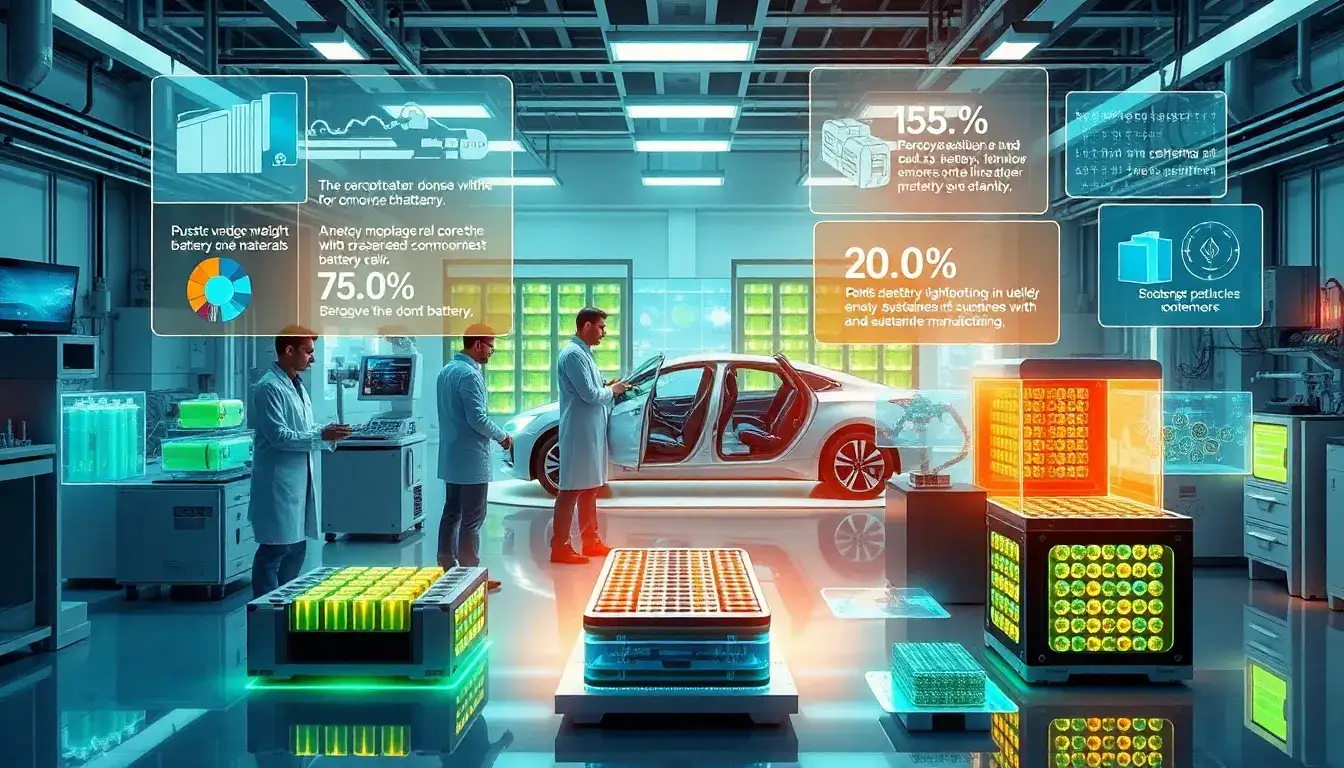
Technologies are indeed being developed to reduce the weight of batteries in plug-in hybrid electric vehicles (PHEVs), primarily by improving battery chemistry and design, and by integrating batteries more efficiently within the vehicle.
Battery Chemistry and Design Innovations
- Toshiba’s SCiB™ battery technology allows for high input/output performance, making it possible to significantly reduce the size and weight of the battery system without compromising power or cabin space in PHEVs. This technology also supports rapid recharging and long cycle life, enabling smaller batteries that still provide sufficient urban driving electric power.
- CATL’s Freevoy Super Hybrid battery adopts advanced lithium-ion technologies including cathode fast ion conductor coatings, novel nano-coating for the anode, multi-gradient layered electrode design, and ultra-high conductivity electrolyte formulations. These innovations improve fast-charging capability and power performance, indirectly contributing to better battery efficiency and potentially lighter pack designs by enhancing usable capacity and performance.
- Incorporation of sodium-ion battery technology in hybrid battery systems (such as CATL’s AB battery system) improves low-temperature performance and reliability, which can support optimized battery system design and potentially reduce the need for heavier thermal management systems.
Structural and Integration Approaches
- Automakers are exploring integrating batteries into vehicle frame and shell elements to reduce overall vehicle weight effectively, thereby counteracting the heavy mass that large batteries traditionally add to PHEVs. This approach reduces the need for separate heavy battery enclosures, contributing to weight savings.
- The use of lighter materials such as carbon fiber in battery current collectors, instead of heavier copper or aluminum, can reduce the battery’s component weight directly, helping to lower the overall battery pack weight.
Battery Chemistry Trends
- The shift from nickel-metal hydride (NiMH) to lithium-ion batteries is motivated by lithium-ion’s higher energy density, enabling smaller and lighter batteries for the same energy storage capacity. Although challenges remain regarding safety and durability, lithium-ion chemistry remains the primary focus for PHEV battery development and weight reduction.
In summary, battery developers and automakers are pursuing multiple strategies to reduce PHEV battery weight: improving battery chemistry to allow smaller packs with the same or better performance (e.g., Toshiba’s SCiB, CATL’s advanced lithium-ion and sodium-ion systems), integrating batteries more structurally into the vehicle, and employing lightweight materials to reduce component mass. These efforts collectively aim to enhance fuel economy, maintain cabin space, and improve electric driving range in PHEVs while reducing the negative impact of battery weight.
Original article by NenPower, If reposted, please credit the source: https://nenpower.com/blog/are-there-any-technologies-being-developed-to-reduce-the-weight-of-phev-batteries/

