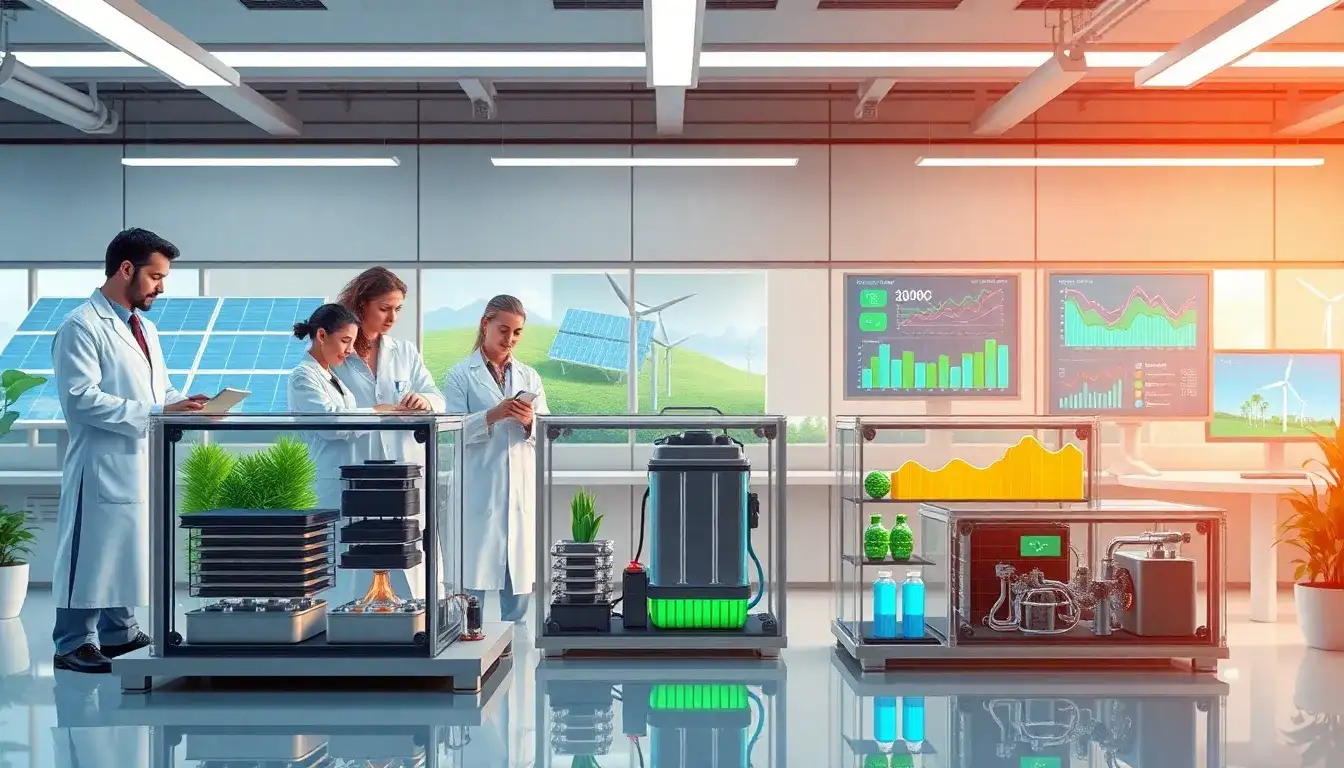
Yes, emerging technologies and strategies are being developed to reduce emissions from utility-scale batteries, including both innovative battery designs and system optimization approaches:
- Iron-air (reversible rust) batteries
These batteries use iron oxidation and reduction cycles to store energy, offering potential environmental advantages over lithium-ion due to their use of abundant, non-toxic materials. The technology was showcased at the 2023 CLEANPOWER Conference. - Green hydrogen integration
While not a direct battery technology, green hydrogen systems are being explored as complementary storage solutions. Surplus renewable energy can produce hydrogen via electrolysis, which can later be converted back to electricity via fuel cells or blended into natural gas grids to reduce overall system emissions. - Advanced lithium-ion optimization
Ongoing R&D focuses on improving lithium-ion battery lifespans, recycling efficiency, and energy density to reduce lifecycle emissions. Innovations include better thermal management systems and sustainable material sourcing. - Hybrid system design
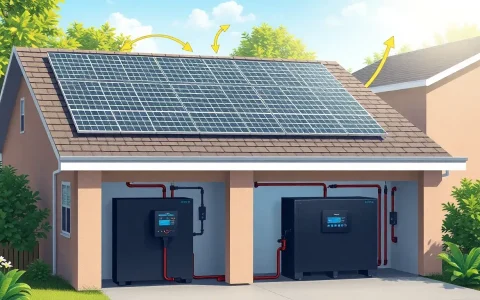
Pairing batteries with renewable generation (solar/wind) helps minimize emissions by reducing reliance on fossil-fuel peaker plants. Recent studies emphasize the need for optimized charge/discharge strategies to maximize emission reductions, as improper operation can inadvertently increase grid emissions. - Alternative battery chemistries
Research continues on flow batteries, compressed air energy storage (CAES), and advanced lead-acid systems, which may offer lower lifecycle emissions depending on application-specific requirements.
Efforts to reduce emissions also focus on grid integration strategies, including deployment near renewable generation sites and advanced software controls to maximize clean energy utilization.
Original article by NenPower, If reposted, please credit the source: https://nenpower.com/blog/are-there-any-technologies-being-developed-to-reduce-emissions-from-utility-scale-batteries/