

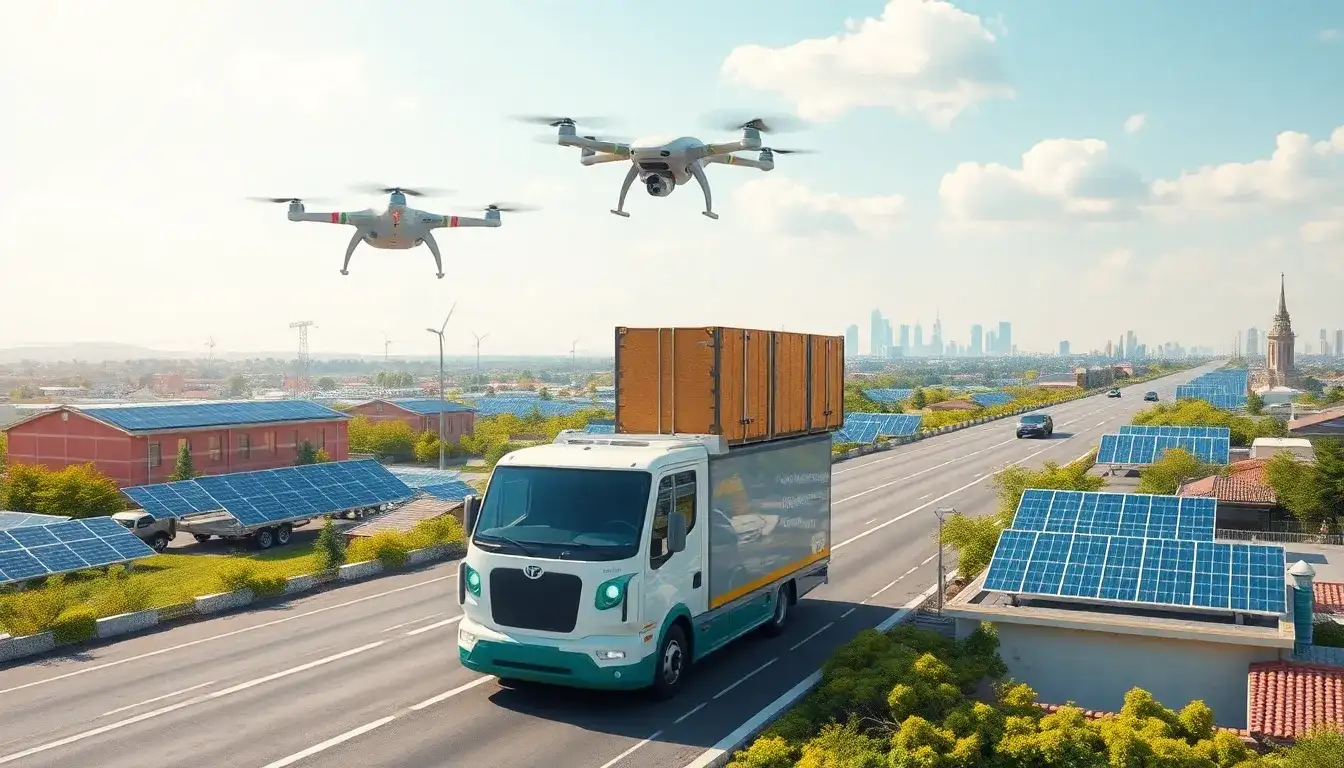
Current Developments
- Solar-Powered Vehicles: Innovations like integrating photovoltaic cells into vehicle roofs or bodies, such as buses and cars, are becoming increasingly popular. These vehicles convert sunlight into electricity, which is stored in batteries made from materials like lithium-ion, reducing reliance on fossil fuels and lowering carbon emissions.
- Solar-Powered Charging Stations: The development of solar-powered charging stations is supporting the transition to cleaner energy. These stations can charge vehicles using solar energy, further reducing dependence on non-renewable sources.
- Advancements in Solar Panel Efficiency: Researchers are continuously working to improve solar cell efficiency and develop lighter materials. This will enhance the integration of solar technology into vehicles and infrastructure.
- Integration with Electric Vehicles (EVs): Solar panels on EVs can extend their range and reduce the demand on the electrical grid. As solar panels become more affordable and efficient, their integration into EVs is expected to become more widespread.
Future Perspectives
- Collaborative Initiatives: Governments, research institutions, and private companies are collaborating to drive innovation in solar-powered transportation. These collaborations are crucial for overcoming challenges and improving technology.
- Sustainable Infrastructure: Innovations like solar-powered roadways and parking lots are being explored, which will further support sustainable transportation by providing additional power sources for vehicles.
Despite these advancements, challenges such as limited solar surface area, varying sunlight, and high upfront costs need to be addressed to ensure the practicality and environmental sustainability of these technologies.
Original article by NenPower, If reposted, please credit the source: https://nenpower.com/blog/are-there-any-technologies-being-developed-to-make-solar-panel-transportation-more-sustainable/

