

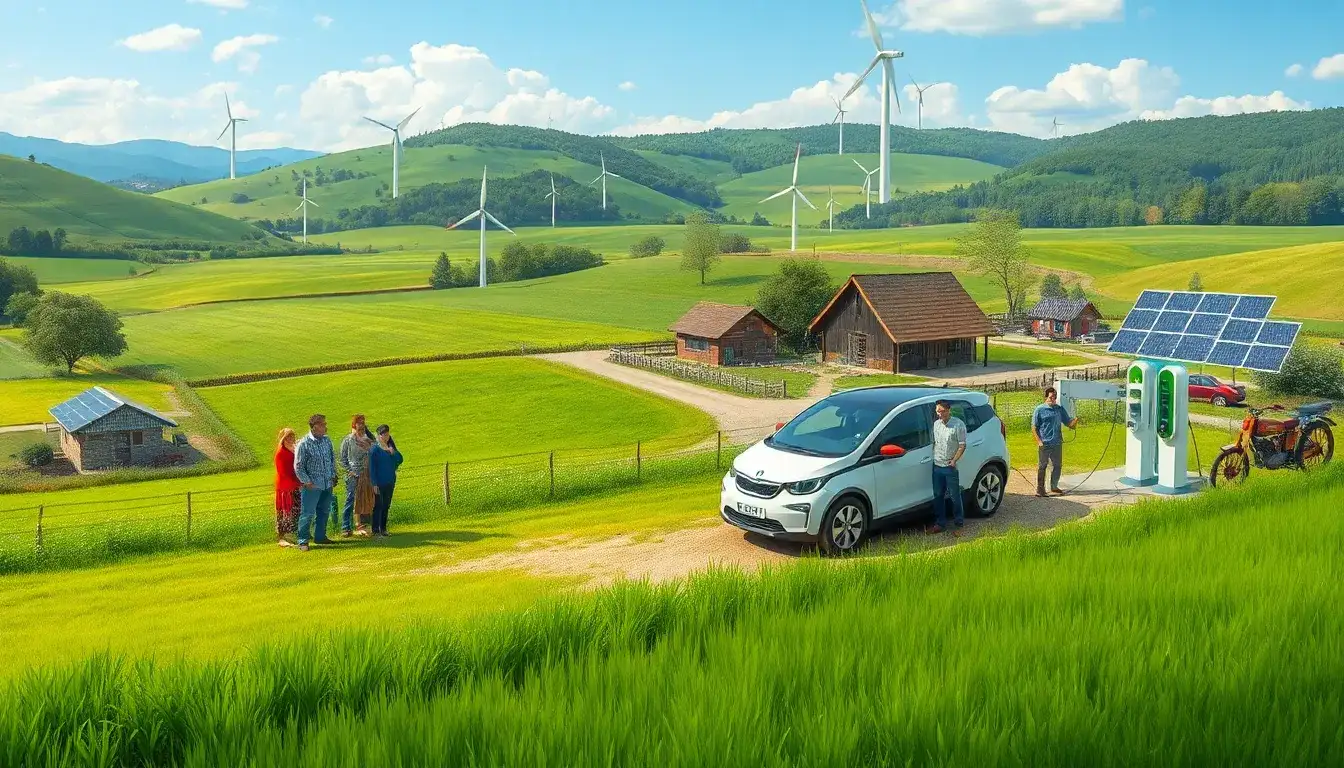
Successful case studies on rural electric vehicle (EV) adoption often involve strategic planning and community engagement to overcome common barriers such as limited charging infrastructure, high upfront vehicle costs, and concerns about vehicle performance. Here are some insights and approaches from successful initiatives:
Successful Strategies for Rural EV Adoption
1. Community Planning for Charging Infrastructure
A key strategy involves developing a comprehensive plan for EV charging infrastructure. This includes:
- Prioritizing Locations: Identifying strategic locations for publicly accessible EV charging stations (e.g., towns along highways, community centers).
- Analyzing Driving Patterns: Understanding consumer and fleet driving habits to tailor charging solutions (e.g., Level 1, Level 2, or DC Fast Charging) effectively.
2. Incentives and Education
- Point of Sales Incentives: Offering rebates, grants, and other financial incentives at the point of purchase can significantly boost EV adoption, especially among low-income households.
- Education and Awareness: Educating consumers about the benefits of EVs, addressing myths, and providing demonstrations can increase acceptance and interest.
3. Partnerships and Collaboration
Forming partnerships between local governments, private companies, and community leaders is crucial for leveraging resources and support. For example, collaborating with utility companies can help ensure the electrical grid can support increased demand from EVs.
4. Addressing Specific Needs
- Vehicle Options: Providing access to vehicles with features preferred by rural drivers, such as all-wheel drive and higher clearance, can increase adoption.
- Winter Performance: Addressing concerns about battery performance in cold climates through education and infrastructure improvements.
Case Studies and Examples
- Boulder County, Colorado: Demonstrates the effectiveness of incentives like rebates in promoting EV adoption.
- Northern New England: The Nature Conservancy and VEIC have been working together to develop strategies for rural EV adoption, focusing on understanding local barriers and building support through community engagement and research.
Overall, successful cases of rural EV adoption emphasize the need for a tailored approach that addresses specific community needs and barriers, leveraging both financial incentives and strategic planning.
Original article by NenPower, If reposted, please credit the source: https://nenpower.com/blog/are-there-any-successful-case-studies-of-rural-ev-adoption/

