

-
Distributed Pumped Hydro Storage in Hengbung, India:
- This project involves a small-scale, community-based solar-pumped hydro system in a remote village in India.
- It utilizes a local stream and man-made reservoirs to store water as a form of energy storage, minimizing large-scale environmental impacts.
- The system is integrated with solar power to provide consistent electricity to the community, especially at night.
- It demonstrates a cooperative approach to energy storage, leveraging local resources and community engagement.
-
Closed-Loop Pumped Storage in the U.S.:
- Closed-loop systems are designed to have minimal impact on existing aquatic systems by using separate reservoirs that do not interact with natural water flows.
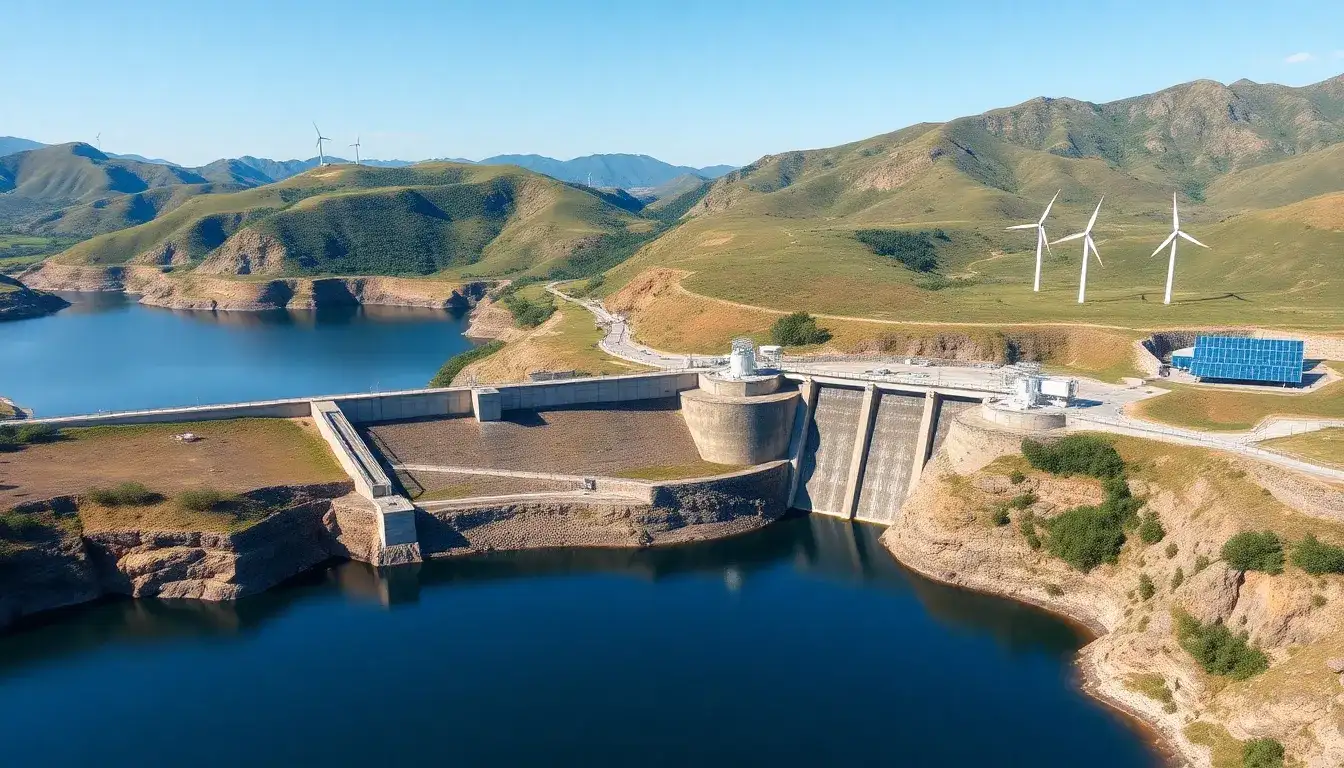
- Projects like the Goldendale Energy Storage Project in Washington state are examples of large-scale, closed-loop facilities that can store excess wind and solar power.
- These systems require minimal additional water once the initial reservoirs are filled, reducing environmental impacts like those seen in traditional hydropower projects.
-
Underground Pumped Storage in Belgium:
- This approach involves repurposing disused mines and quarries as water basins for pumped storage, reducing the need for large-scale reservoir construction and minimizing surface-level environmental impacts.
- It provides innovative ways to utilize existing infrastructure for energy storage, potentially reducing land use and environmental disruptions compared to traditional surface reservoirs.
Original article by NenPower, If reposted, please credit the source: https://nenpower.com/blog/are-there-any-successful-case-studies-of-pumped-hydro-storage-facilities-with-minimal-environmental-impact/

