

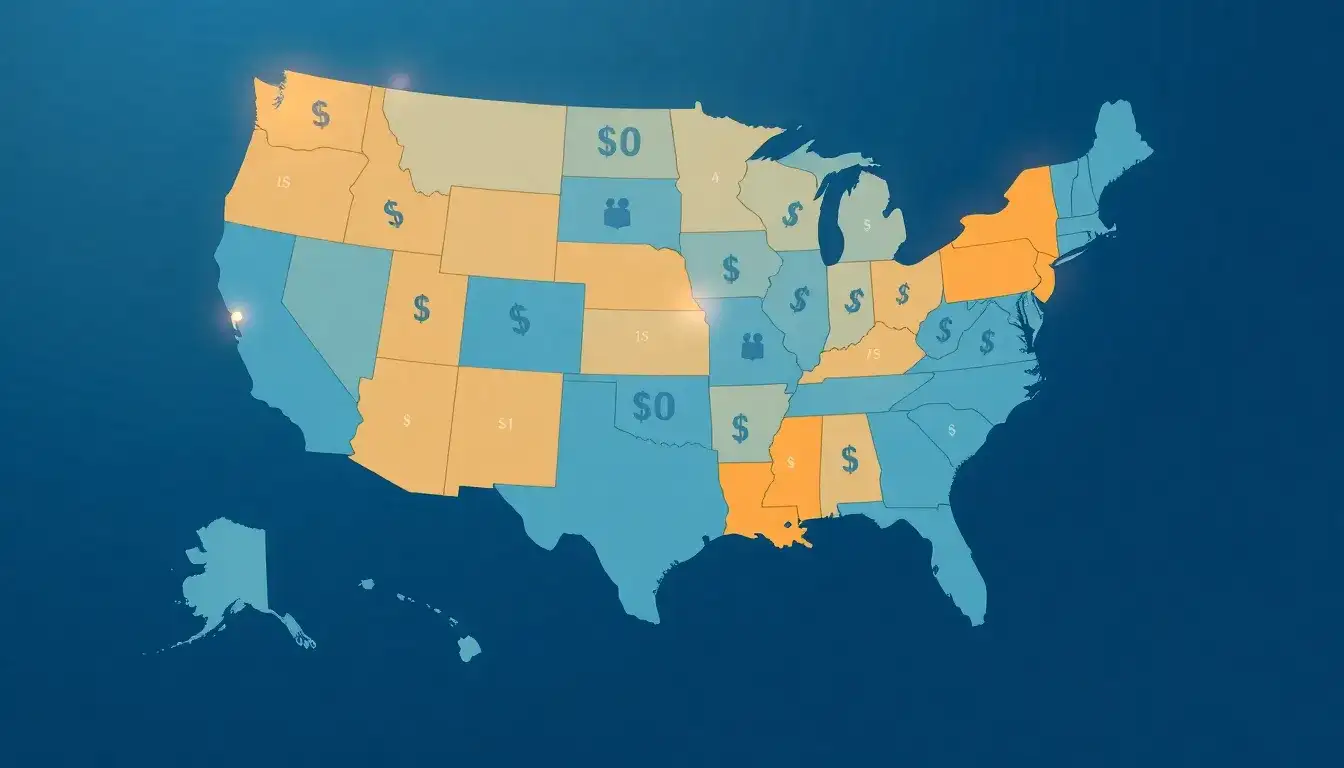
Based on search results, some states use alternative eligibility structures for specific Medicaid programs rather than fixed income limits:
1. North Dakota
For Institutional/Nursing Home Medicaid, there is no set income limit. Instead, applicants must contribute income above $62/month toward care costs.
2. Medically Needy Programs
Most states (including non-expansion states) allow spend-downs where applicants reduce excess income through medical bills to qualify, effectively bypassing standard income caps. While not a “no limit” policy, this functions as a pathway for higher-income individuals to gain eligibility.
3. Nursing Home Care Exceptions
Some states like North Carolina set eligibility based on whether the applicant’s income is less than Medicaid’s nursing home payment rate (e.g., $8,004–$11,093/month), which acts as a de facto threshold rather than a fixed limit.
No State Completely Exempts All Eligibility Groups
All Medicaid programs have income-related criteria, though the structure varies:
- Expansion states (41 states) use Modified Adjusted Gross Income (MAGI) with limits up to 138% of the federal poverty level for adults.
- Non-expansion states often restrict eligibility to categorical groups (e.g., children, pregnant people) with stricter income caps.
Key distinction: While some programs (e.g., nursing home Medicaid in certain states) lack explicit income caps, they still require cost-sharing or use alternative thresholds tied to care expenses.
Original article by NenPower, If reposted, please credit the source: https://nenpower.com/blog/are-there-any-states-with-no-income-limits-for-medicaid-eligibility/

