Federal Incentives
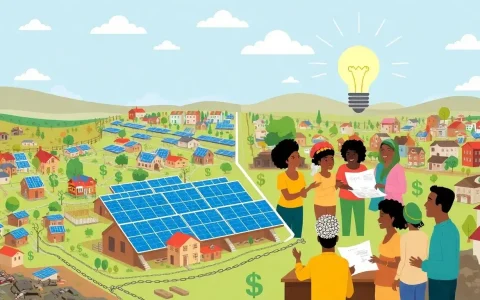
Residential Clean Energy Credit: Covers 30% of installation costs (2022-2032), decreasing to 26% in 2033 and 22% in 2034. Applies to solar PV systems owned outright or through community solar projects.
State-Specific Incentives
While Florida (highlighted in results) lacks a state tax credit, it offers:
- Property tax exemption: Solar installations won’t increase property taxes for assessed home value.
- Sales tax exemption: No sales tax on solar equipment purchases.
- Net metering: Full retail-rate credits for excess solar energy sent to the grid.
Other states commonly provide:
- Tax credits: Reductions in state income taxes (e.g., Maryland’s county-level credits).
- Rebates: Cash incentives from utilities or local governments (e.g., Colorado’s Energy Smart rebates up to $2,500).
- Loan/grant programs: Low-interest financing for solar projects (e.g., Colorado’s RENU loans up to $75,000).
Check local utility programs and state energy offices for additional rebates or performance-based incentives.
Original article by NenPower, If reposted, please credit the source: https://nenpower.com/blog/are-there-any-state-specific-incentives-for-solar-energy-that-homeowners-should-be-aware-of/