

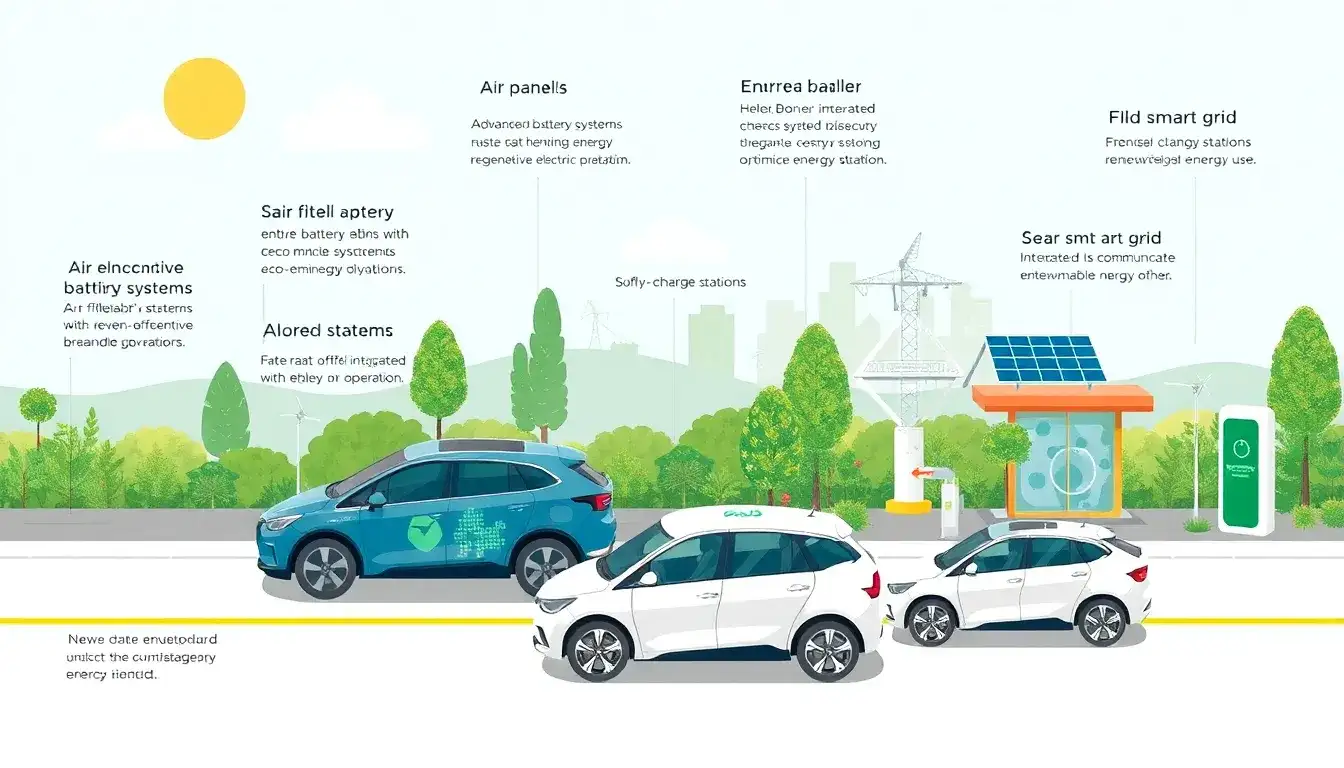
Electric vehicles use several technologies to reduce non-exhaust emissions, which primarily stem from tire and brake wear. One of the most significant technologies in this context is regenerative braking.
- Regenerative Braking: This system converts kinetic energy into electrical energy while slowing down the vehicle. By utilizing the electric motor to decelerate, the reliance on traditional brake pads is reduced, leading to less brake wear and, consequently, lower emissions from brake abrasion.
Additionally, the design and weight distribution of electric vehicles can influence non-exhaust emissions. While electric vehicles are often heavier due to their battery packs, which may increase tire wear, the overall impact can vary based on driving conditions and the specific vehicle design.
Other strategies to reduce emissions might include advances in tire technology and brake materials, but regenerative braking is currently the most notable technology directly impacting non-exhaust emissions in electric vehicles.
Original article by NenPower, If reposted, please credit the source: https://nenpower.com/blog/are-there-any-specific-technologies-that-reduce-non-exhaust-emissions-in-electric-vehicles/

