

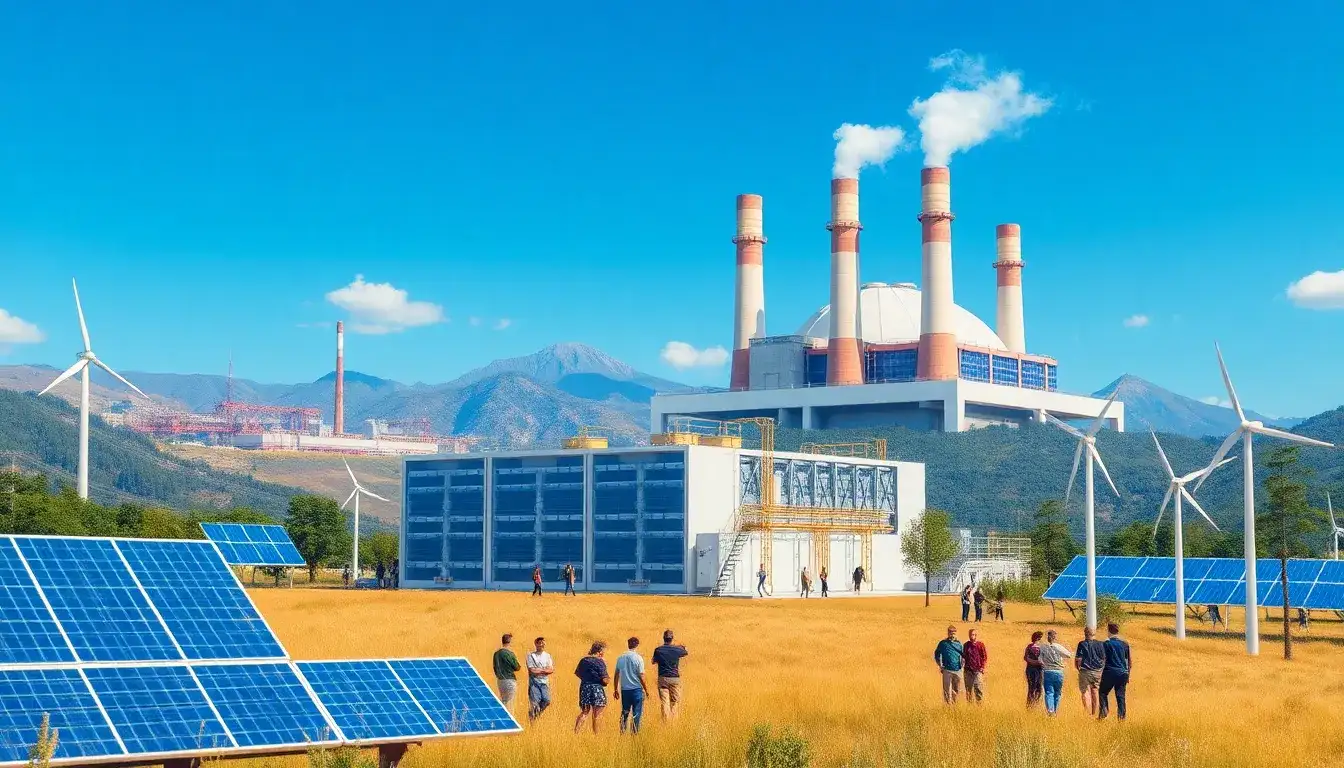
Yes, there are several specific regions in the United States where energy storage has successfully replaced or is actively replacing fossil-fueled peaker plants:
Regions with Successful or Ongoing Energy Storage Replacement of Peaker Plants
New York
New York has 62 peaker plants, many old and oil-burning, disproportionately located in environmental justice communities. The state has set aggressive energy storage targets of 1,500 MW by 2025 and 3,000 MW by 2030, along with regulations to phase out high nitrogen oxide-emitting peakers between 2023 and 2025. These policies have created substantial opportunities for replacing inefficient, polluting peaker plants with energy storage and solar, especially benefiting vulnerable communities in urban areas.
New Jersey
Home to 25 aging peaker units, including many burning oil and located in low-income communities, New Jersey is targeting energy storage as a cleaner alternative to these plants. The state’s 2030 energy storage goals aim to replace these peaker plants with cleaner resources.
New Mexico
While New Mexico’s peaker fleet tends to be younger and heavily used, the state has identified some less efficient urban plants as strong candidates for replacement by portfolios of clean energy resources, including energy storage systems.
Maine and New England
Maine has been a leader in demonstrating the cost-effectiveness of battery energy storage systems (BESS) to replace aging fossil-fueled peaker plants. The Clean Energy States Alliance (CESA) report highlights Maine’s ongoing 200-MW energy storage procurement process designed to replace older peakers, with lessons applicable throughout New England. This shows practical implementation beyond just targets and plans.
California, Arizona, Florida, Nevada, Texas
These states have sizable inventories of peaker plants and are exploring or implementing energy storage as a promising alternative to traditional fossil-fueled peakers. Texas, for example, with 54 gas-fired peakers, is considering energy storage to replace new and high-emission plants.
Summary
| Region | Status of Peaker Plants | Energy Storage Activity/Policy |
|---|---|---|
| New York | 62 peakers, many old and oil-fueled | Aggressive storage targets, emission phase-outs, active projects |
| New Jersey | 25 aging peakers, oil-fueled, environmental justice communities | 2030 storage targets to replace peakers |
| New Mexico | 11 peakers, mostly younger and high use | Identified some for storage replacement |
| Maine/New England | Aging peakers with pollution issues | Active storage procurement deploying batteries replacing peakers |
| California, Arizona, Florida, Nevada, Texas | Diverse peaker fleets | Energy storage projects and regulatory support |
Energy storage systems, particularly batteries paired with solar and other clean resources, have proven competitive and effective at replacing costly, polluting peaker plants in these regions, with New York and Maine as leading examples of implementation.
Thus, specific regions—namely New York, New Jersey, New Mexico, Maine, and several others—have successfully or are in advanced stages of using energy storage to replace peaker plants, making notable progress in reducing emissions, costs, and environmental injustices associated with fossil-fueled peakers.
Original article by NenPower, If reposted, please credit the source: https://nenpower.com/blog/are-there-any-specific-regions-where-energy-storage-has-successfully-replaced-peaker-plants/

