

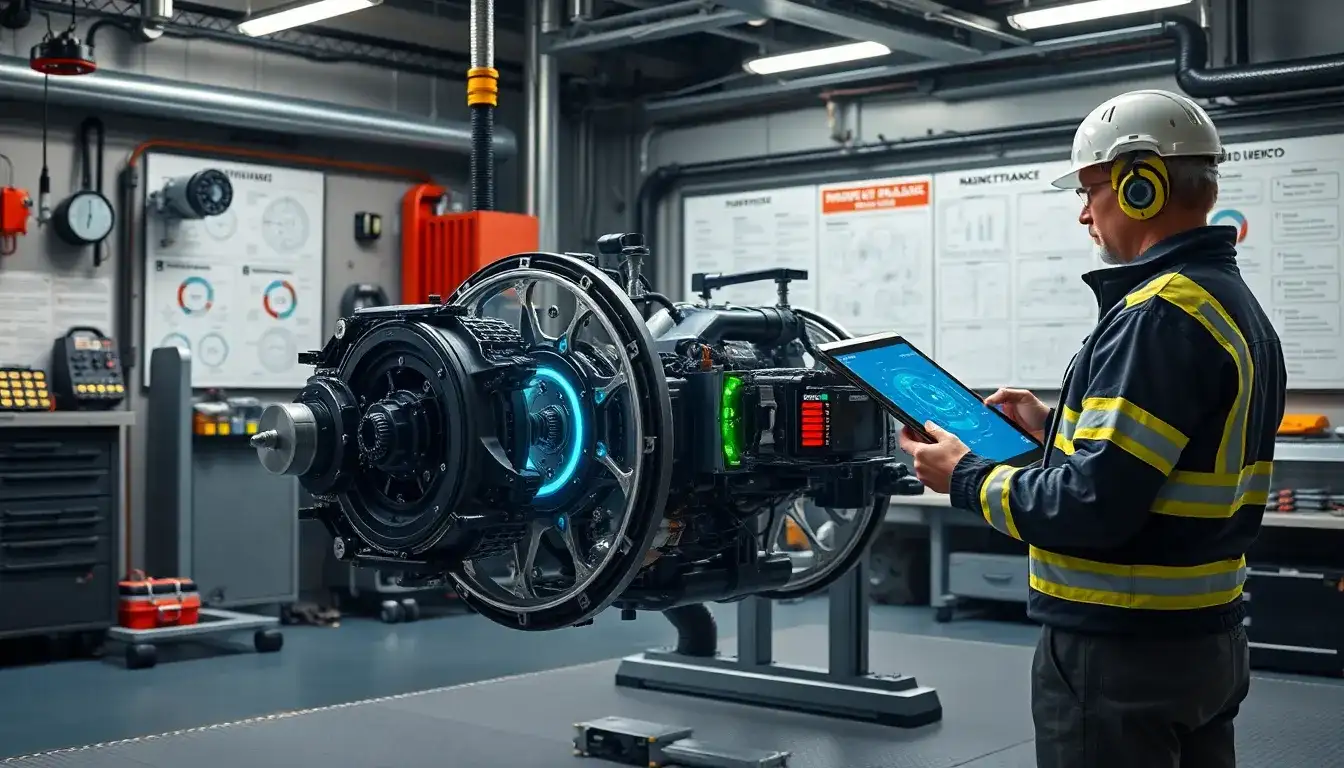
Here are key maintenance tips for regenerative braking systems:
- Routine inspections
Frequently inspect brake components for wear, rust, or debris, and verify both regenerative and friction systems function properly. Manufacturers like Tesla recommend professional inspections every 12,000-15,000 miles. - Cleaning procedures
Remove debris from calipers and pads regularly, and clean rust/grease buildup on brake components (e.g., pad pins) to prevent sticking. Annual caliper lubrication is crucial in salt-treated road areas. - Fluid maintenance
Use DOT-approved brake fluid and replace it periodically to prevent moisture-induced corrosion. Avoid mixing fluid types. - Usage practices
Alternate regenerative and friction braking to maintain pad/rotor health. For EVs like Teslas, occasionally use friction brakes aggressively (after a proper break-in period) to clear rust. - Professional servicing
Follow manufacturer schedules for comprehensive services, including parking brake testing and component wear checks. Regenerative systems still require maintenance despite reduced pad wear.
For optimal results, pair these steps with tire maintenance and proper inflation, as tire condition directly impacts braking efficiency.
Original article by NenPower, If reposted, please credit the source: https://nenpower.com/blog/are-there-any-specific-maintenance-tips-for-regenerative-braking-systems/

