

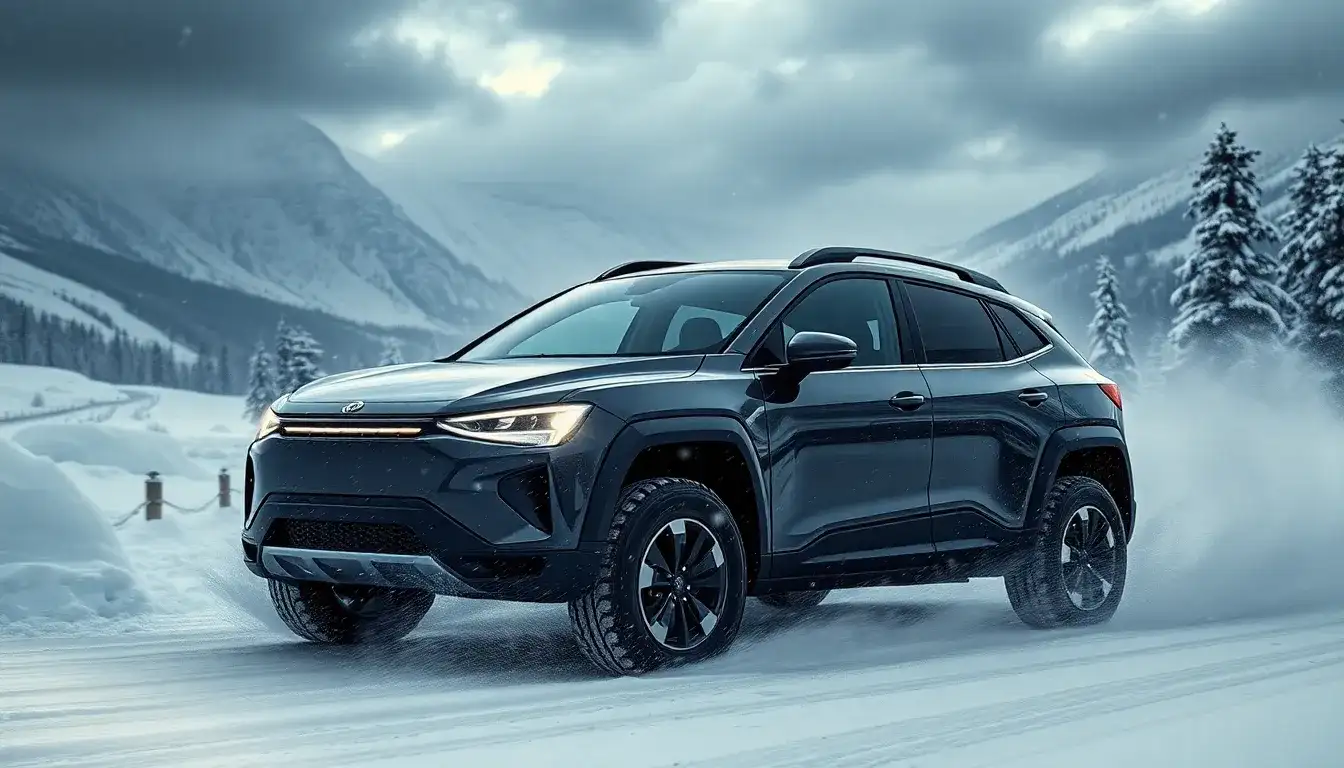
There are no explicit mentions of specific electric vehicle (EV) models uniquely designed from the ground up to handle extreme weather conditions better than others, but there is clear evidence that some EVs perform more reliably or efficiently in such conditions due to their battery management and design features.
EV Performance in Extreme Weather
- Extreme cold weather significantly reduces EV range because it slows down battery chemical reactions and requires energy to heat the battery and cabin. For example, at −4°F, an average EV might lose about half its manufacturer-rated driving range.
- Extreme heat also affects EV batteries by accelerating degradation and risking overheating, though active thermal management systems in modern EVs help mitigate this.
- Heating or cooling the cabin consumes power from the battery and reduces available driving range in both hot and cold weather.
Models Noted for Cold Weather Performance
While no models are explicitly marketed as “extreme weather EVs,” Consumer Reports tests and other data show some models handle cold climates better:
- The Ford Mustang Mach-E extended range showed the most accurate range prediction in cold weather and performed closely to the Tesla Model Y Long Range despite being heavier. It also has a large usable battery capacity (88 kWh) aiding its cold weather range retention.
- The Hyundai Ioniq 5 also performed nearly as well as the Tesla Model Y in cold conditions, though it is heavier.
- Tesla Model Y, while known for high efficiency, consistently fell short of its official range claims in all weather conditions during Consumer Reports’ testing.
Design Features That Improve Extreme Weather Handling
- Many EVs now include active thermal management systems that warm the battery in cold conditions by recovering waste heat from motors or other components, which helps preserve battery performance and longevity.
- Battery thermal control also cools batteries in hot climates to avoid damage and degradation.
Summary
- No single EV model is explicitly branded as specially designed for extreme weather, but models like the Ford Mustang Mach-E and Hyundai Ioniq 5 have demonstrated relatively strong performance in cold climates.
- Thermal management technology is a key factor that differentiates better-performing EVs in extreme temperature conditions.
- Regardless of model, expect diminished range in very cold or very hot weather, but advanced battery and cabin heating/cooling systems help improve resilience.
Thus, while there is no exclusive “extreme weather EV,” customers in harsh climates should look for EVs with active thermal management and larger batteries, such as the Mustang Mach-E and Ioniq 5, which are proven to maintain more reliable range in cold weather.
Original article by NenPower, If reposted, please credit the source: https://nenpower.com/blog/are-there-any-specific-ev-models-designed-to-handle-extreme-weather-conditions-better/

