

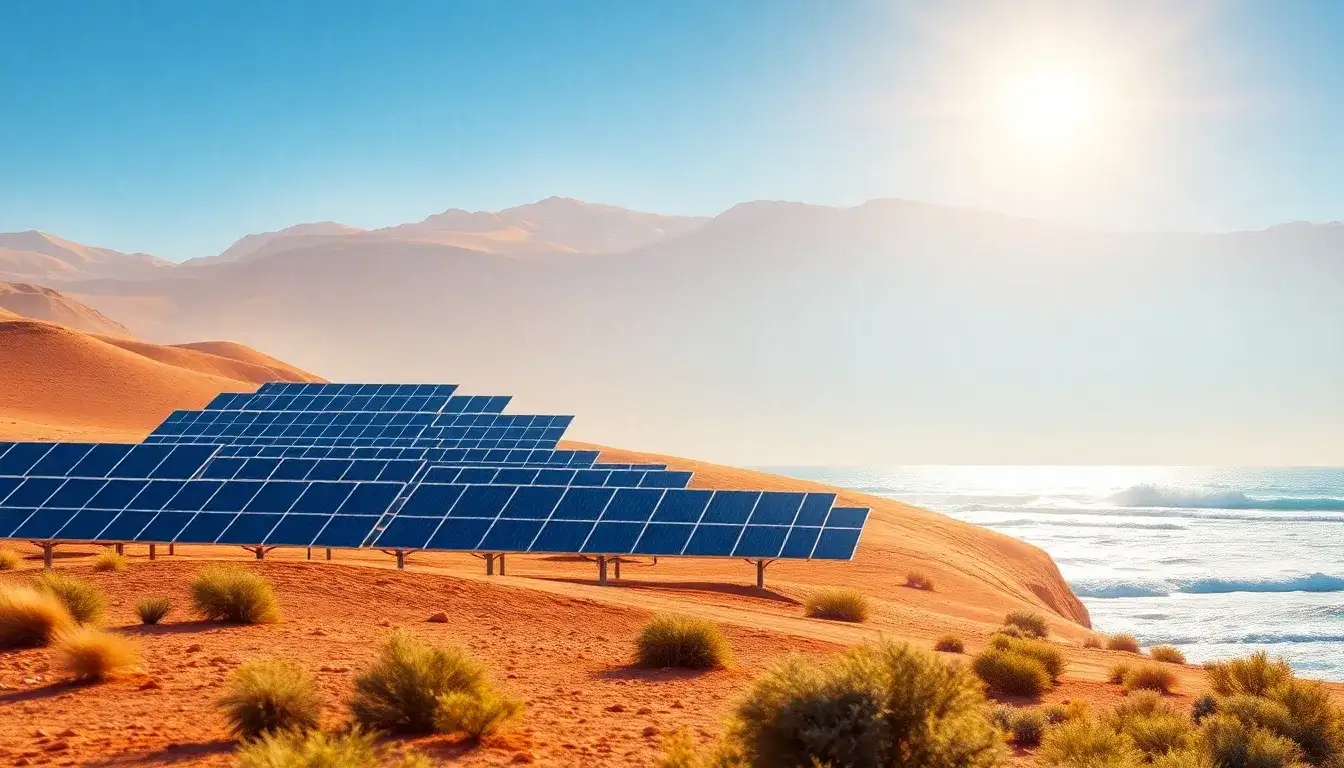
Bifacial solar panels are particularly beneficial in specific conditions where their unique ability to capture light from both sides results in significantly higher energy yields and efficiency. Key conditions and scenarios where they excel include:
Conditions Favorable for Bifacial Solar Panels
- Highly Reflective Surfaces: Bifacial panels perform exceptionally well when installed over surfaces that reflect sunlight, such as snow, sand, white gravel, or light-colored roofs. The reflected light reaching the rear side of the panels can boost energy production by 5-30% compared to traditional monofacial panels.
- Diverse Installation Angles and Settings: Their ability to be installed vertically, horizontally, or at various angles makes bifacial panels adaptable to unique architectural designs and geographical locations, enhancing their versatility in different environments.
- Low-Light and Diffuse Light Conditions: Bifacial panels are more efficient at capturing diffused and reflected light than traditional panels, allowing them to generate power for longer hours during the day and in less sunny or overcast conditions.
- Climatic Adaptability: These panels are reliable in a wide range of climates, performing well under high and low-temperature extremes and seasonal variations, maintaining power generation consistency.
- Space-Limited Projects: Their higher overall energy capture per unit area helps maximize land use, making them very suitable for projects where space is limited but energy output must be optimized.
Summary Table
| Condition/Scenario | Benefits of Bifacial Panels |
|---|---|
| Reflective ground surfaces | 5-30% more energy from rear-side light reflection |
| Various installation angles | Flexibility in architectural and geographic applications |
| Low-light/diffuse light | Extended generation time and improved performance |
| Extreme temperatures | Reliable energy production across diverse climates |
| Space-limited solar projects | Maximized energy yield per area, better land use |
In essence, bifacial solar panels are especially advantageous in environments where reflected light can be harnessed effectively and where flexibility in installation and climatic resilience are needed. This makes them ideal for snowy regions, desert areas with sandy or reflective terrain, flat rooftops with light-colored surfaces, and solar farms seeking to maximize energy output per square meter.
Original article by NenPower, If reposted, please credit the source: https://nenpower.com/blog/are-there-any-specific-conditions-where-bifacial-solar-panels-are-particularly-beneficial/

