

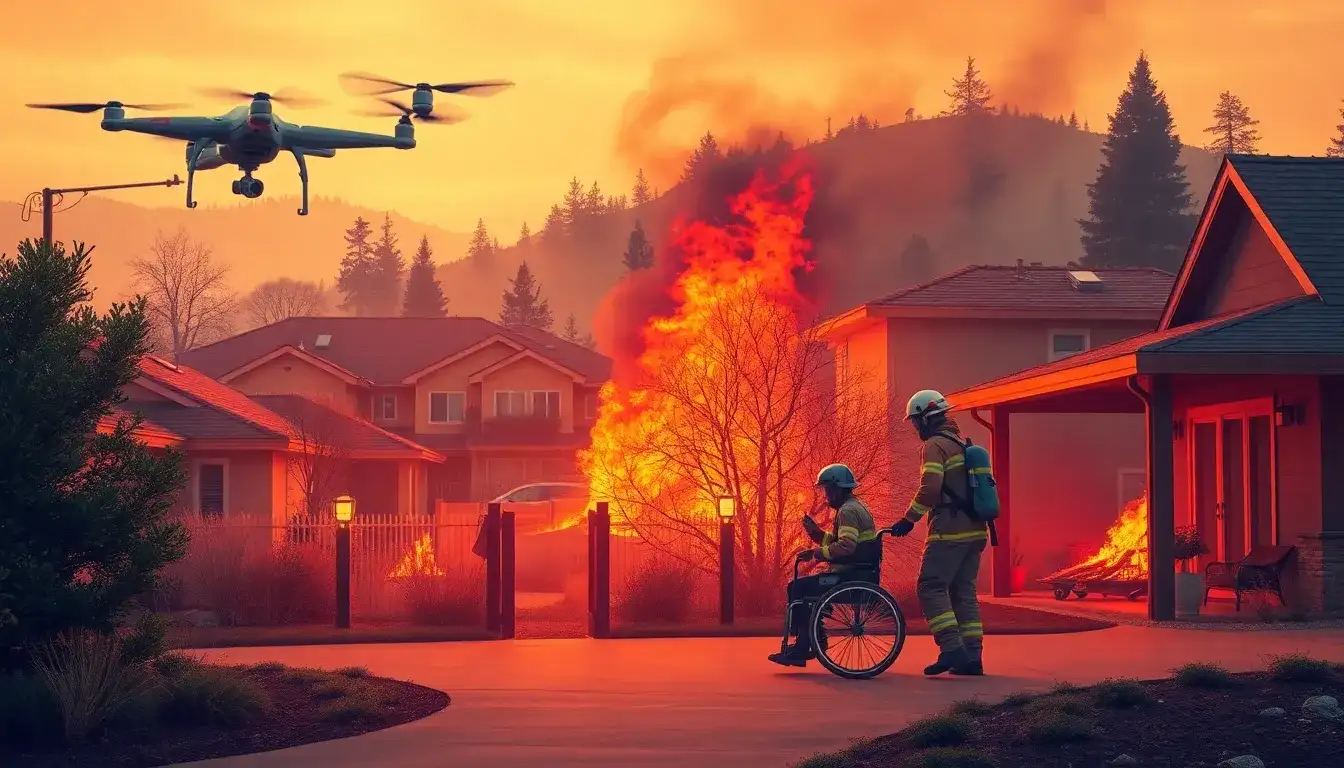
For medically vulnerable individuals in high fire threat areas, there are several strategies and benefits that can help mitigate the risks associated with wildfires. Here are some key points:
Benefits and Strategies for Medically Vulnerable Individuals
- Prescribed Burns: These controlled fires can reduce the risk of severe wildfires by decreasing fuel loads in forests, thereby reducing the impact of wildfires on air quality and overall fire danger.
- Healthcare Utilization Planning: Studies have shown that individuals using durable medical equipment (DME) face unique challenges during wildfires, including increased difficulty evacuating due to mobility issues. Healthcare systems can plan ahead to accommodate these needs, ensuring continued access to necessary medical care.
- Air Quality Management: Hospitals in fire-prone areas can maintain safe indoor air quality by isolating ventilation systems and using recirculated air to minimize smoke exposure. This is crucial for both patients and staff, especially for those who are medically vulnerable.
- Public Health Awareness and Support: Educating at-risk populations about the health risks of wildfire smoke and providing them with guidance on how to reduce exposure (e.g., checking the Air Quality Index) can help protect them during smoke events.
- Inclusive Communication Strategies: Targeted outreach programs can ensure that vulnerable populations, such as low socio-economic status communities, receive the information they need to protect themselves effectively from wildfire smoke.
Populations at Risk
Certain groups are more susceptible to health effects from wildfire smoke:
- Children: Susceptible due to developing lungs and potential respiratory issues.
- Older Adults: Often have existing conditions like respiratory and cardiovascular diseases.
- Individuals with Respiratory Conditions: Asthma and COPD can be exacerbated by smoke exposure.
- Low Socioeconomic Communities: Less access to air conditioning and other protective measures increases vulnerability.
Overall, while there are specific risks for medically vulnerable individuals in high fire threat areas, proactive strategies can mitigate these risks and improve outcomes for these populations.
Original article by NenPower, If reposted, please credit the source: https://nenpower.com/blog/are-there-any-specific-benefits-for-medically-vulnerable-individuals-in-high-fire-threat-areas/

