

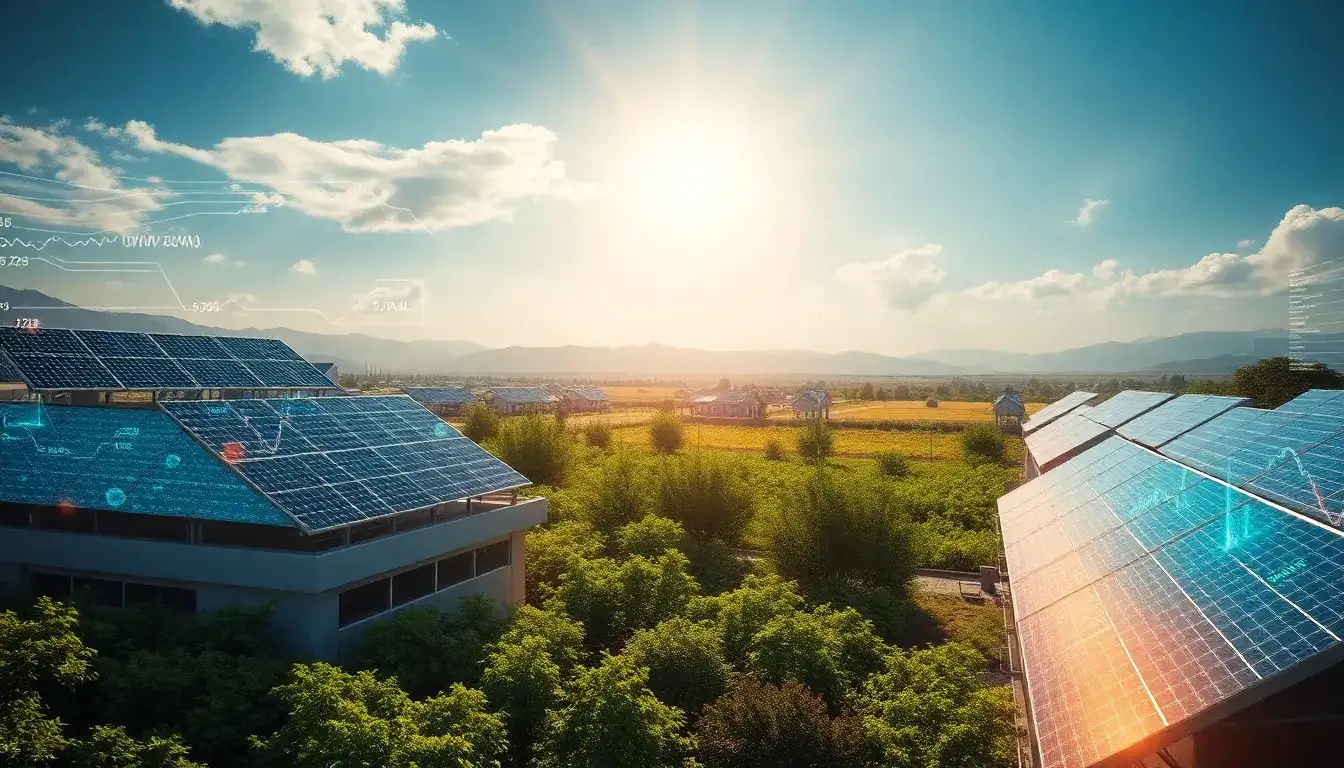
AI plays a crucial role in solar panel optimization through several specialized algorithms and techniques:
Machine Learning Models
- Reinforcement Learning (RL): Dynamically adjusts energy distribution based on real-time data, optimizing grid integration and load balancing.
- Long Short-Term Memory (LSTM) Networks: Predict solar energy output by analyzing historical weather data, solar irradiance patterns, and system performance.
- Support Vector Machines (SVM) and Random Forest: Detect faults and anomalies by analyzing sensor data (e.g., temperature, voltage) to trigger predictive maintenance.
Computer Vision and Sensor Data Analysis
- Anomaly Detection Algorithms: Identify shading, debris, or panel degradation through high-resolution drone imagery or IoT sensor data.
- Real-Time Adjustment Algorithms: Continuously optimize panel tilt and orientation using weather forecasts and sun-tracking data.
Predictive Analytics
- Energy Forecasting Models: Combine weather predictions (cloud cover, irradiance) with historical performance data to anticipate energy production and storage needs.
- Demand Response Algorithms: Balance grid load by predicting energy consumption patterns and adjusting solar output or storage accordingly.
Design and Material Optimization
- Generative AI: Simulate and test solar cell designs to maximize efficiency and reduce manufacturing costs.
- Material Discovery Algorithms: Analyze datasets to identify high-efficiency materials for solar panels.
Key Improvements
AI-driven systems achieve 15–20% higher energy utilization, 85% fault detection accuracy, and 20% faster computational efficiency compared to traditional methods. Real-world deployments, such as solar farms in California and Germany, demonstrate 25% energy yield increases and 30% cost reductions.
Original article by NenPower, If reposted, please credit the source: https://nenpower.com/blog/are-there-any-specific-ai-algorithms-used-for-solar-panel-optimization/

