

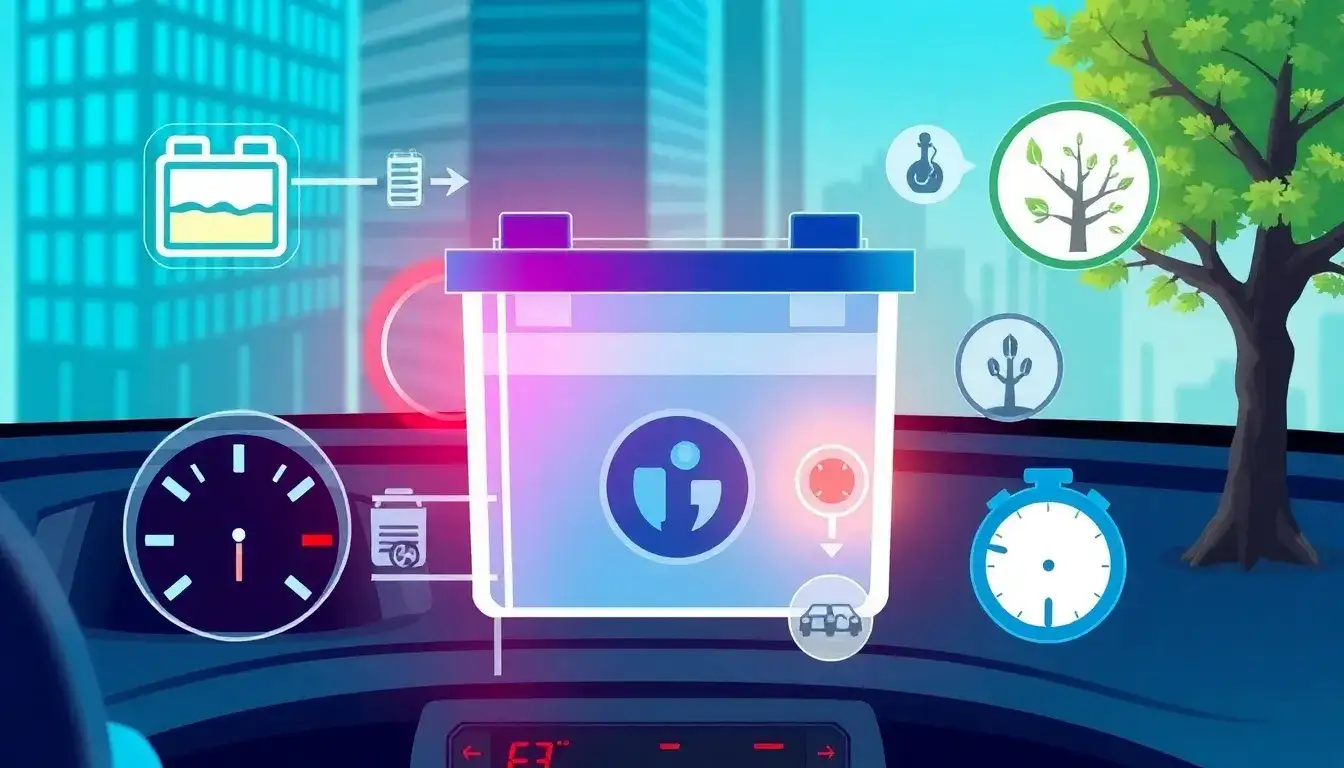
- Decreased Driving Range: If your EV is no longer traveling as far on a full charge as it used to, it likely means the battery is losing capacity and degrading over time, reducing the vehicle’s range significantly.
- Slower Charging Times: When your EV takes noticeably longer to reach a full charge, this can be a sign that the battery is weakening and not accepting charge efficiently.
- Inconsistent Power Delivery: Sudden drops in performance, power fluctuations, or reduced acceleration can indicate that the battery is failing and unable to provide stable energy output.
- Frequent Need for Charging: Having to recharge more often than before may suggest that the battery’s capacity is diminished, forcing you to charge more frequently.
- Warning Lights and Error Messages: Most EVs have dashboard indicators that alert you to battery health problems. Seeing warning lights or error messages related to the battery should prompt immediate attention.
- Unusual Noises or Smells: Any strange sounds or odors coming from the battery area could be a sign of internal battery damage or safety hazards and require urgent inspection by a qualified technician.
- Electrical Test Results: A battery voltage below a threshold (typically around 12V for the auxiliary battery in EVs) during a diagnostic electrical test indicates the battery may be failing and needs replacement.
These signs help prevent sudden breakdowns and unexpected repair costs by diagnosing battery issues early. If you experience one or more of these symptoms, it is advisable to have your EV battery inspected by a professional to determine if replacement is necessary.
Original article by NenPower, If reposted, please credit the source: https://nenpower.com/blog/are-there-any-signs-that-indicate-an-ev-battery-needs-replacement/

