

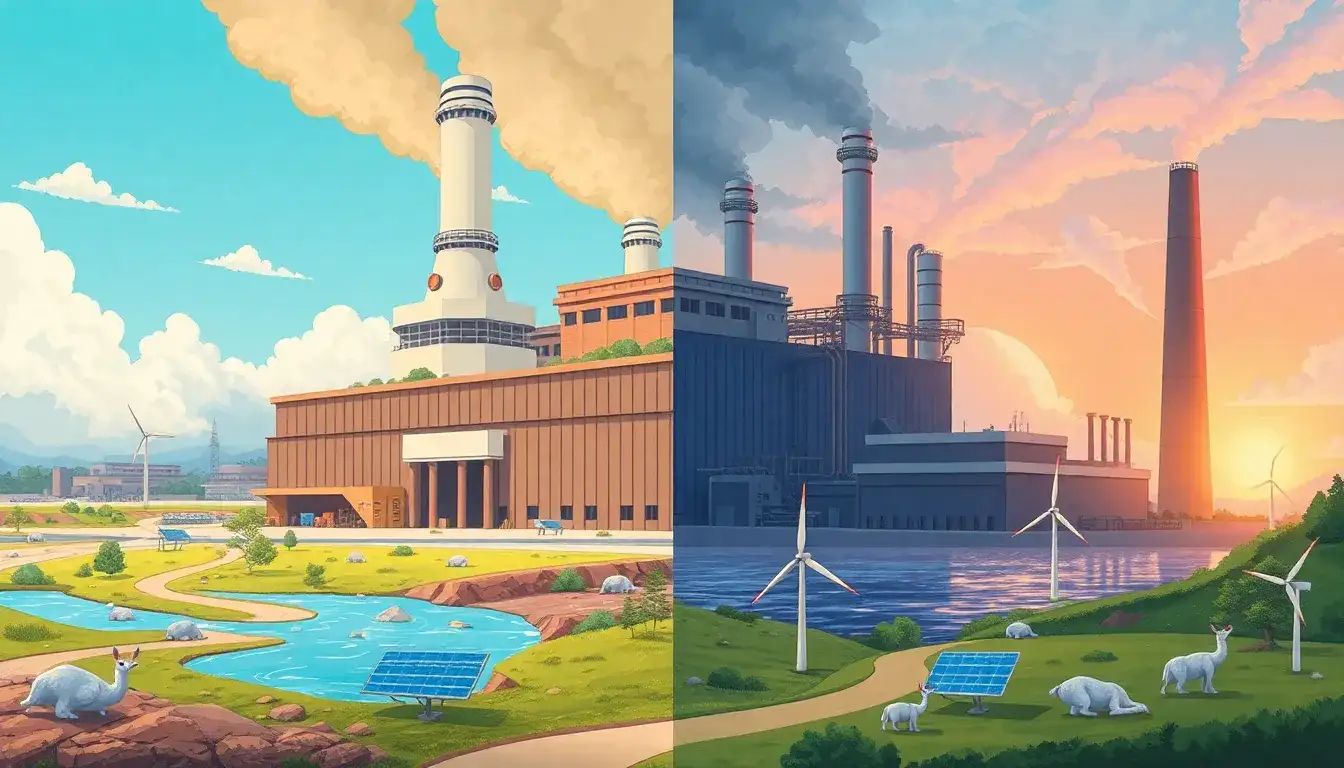
Sodium-sulfur (Na/S) batteries, while innovative for energy storage, have several environmental and safety considerations associated with their production and disposal. Here are some key points related to their environmental impacts:
Environmental and Safety Considerations
- Chemical Hazards: The direct reaction between sodium and sulfur in Na/S batteries can lead to significant temperature increases, posing chemical hazards. These hazards can be managed with proper design and engineering, but they highlight potential risks during manufacturing and operation.
- Recycling and Disposal: The recycling process of Na/S batteries is generally considered to have minimal environmental impact, as materials like sodium, sulfur, and sodium polysulfides can be processed efficiently. However, the disposal of spent Na/S batteries involves hazardous materials, which are regulated under stringent environmental laws. Short-term disposal methods may require state R&D permits, while long-term strategies are still under development.
- Hazardous Waste Generation: Na/S batteries generate sodium polysulfides as hazardous waste during disposal. A typical spent 50 kWh Na/S battery contains about 100 kg of these materials, necessitating careful waste management strategies.
- Comparison with Other Battery Types: The environmental impact of sodium-based batteries, such as sodium-ion batteries, is considered comparable to lithium-ion batteries in terms of climate impact. Sodium-ion batteries are advantageous due to the abundance of sodium and potential reduced mineral resource scarcity issues.
Conclusion
While sodium-sulfur batteries present unique challenges due to their chemical nature and hazardous waste generation, their production does not appear to have significant long-term environmental impacts beyond these controlled risks. However, ongoing research and development focus on improving safety, recycling efficiency, and reducing environmental footprints to ensure these batteries contribute sustainably to energy storage needs.
Original article by NenPower, If reposted, please credit the source: https://nenpower.com/blog/are-there-any-significant-environmental-impacts-associated-with-the-production-of-sodium-sulphur-batteries/

