

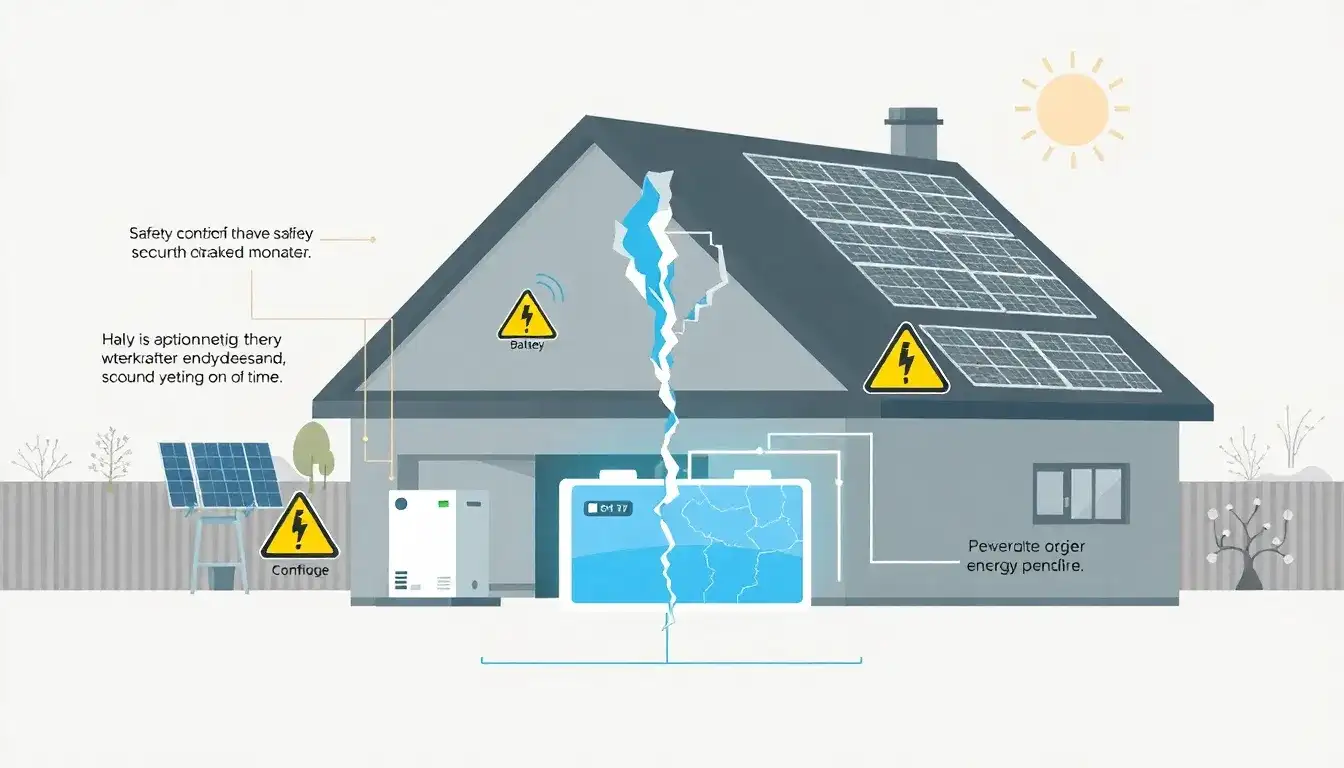
- Safety Concerns: Lithium-ion batteries pose a risk of thermal runaway, which is a condition where the battery overheats and can catch fire. While the risk is generally low with proper installation, it remains a concern.
- Cost: Lithium-ion batteries are among the most expensive options for energy storage, which can make them prohibitive for some homeowners. However, incentives such as federal tax credits can help offset these costs.
- Limited Lifespan and Durability: These batteries have a limited number of charge and discharge cycles—typically between 500 to 1,000 cycles—before their capacity decreases significantly. This means they may need to be replaced more frequently than other types of batteries.
- Degradation and Aging: Over time, lithium-ion batteries naturally degrade, affecting their storage capacity. This degradation can be accelerated by factors like high temperatures.
- Environmental Concerns: Lithium itself is flammable and reactive, and there are environmental issues related to its extraction and disposal. Recycling lithium-ion batteries is not as common as it should be, leading to environmental concerns.
- Protection Requirements: Lithium-ion batteries require protection from overcharging and deep discharging to maintain their integrity and prolong their lifespan.
Despite these disadvantages, lithium-ion batteries remain popular for home energy storage due to their efficiency, space requirements, and long-term energy density benefits.
Original article by NenPower, If reposted, please credit the source: https://nenpower.com/blog/are-there-any-significant-disadvantages-to-using-lithium-ion-batteries-in-home-energy-storage-systems/

