

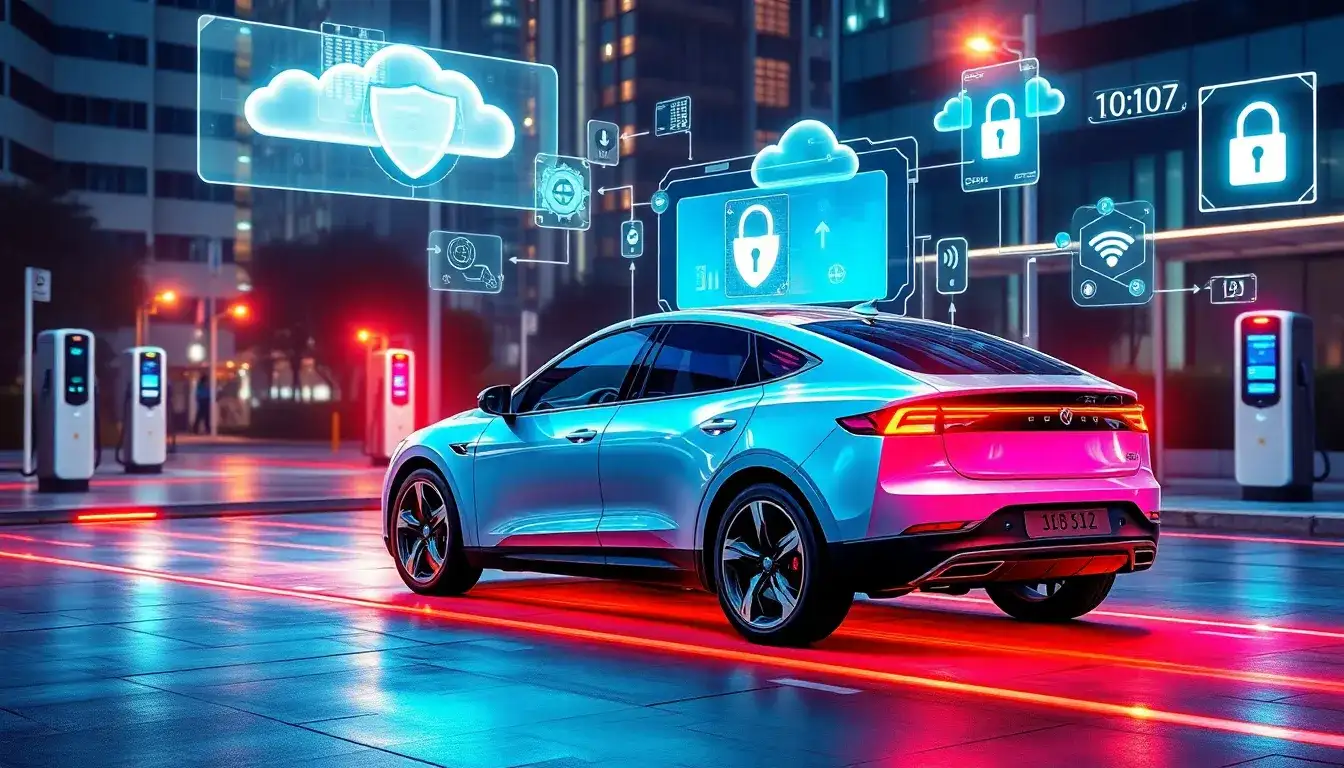
Over-the-air (OTA) updates for electric vehicles carry several risks and challenges, despite their convenience and ability to improve vehicle performance, safety, and user experience. Here are some of the key risks associated with OTA updates:
Cybersecurity Risks
- Malware and Data Theft: OTA updates can be vulnerable to hackers intercepting or modifying updates, potentially installing malware. This could lead to serious consequences such as intentional vehicle crashes, disruption of operations (e.g., loss of vehicle controls), theft of personal or intellectual property, and unauthorized activation of features.
- Denial of Service (DoS) Attacks: These attacks can prevent updates from occurring or cause them to fail mid-process, potentially “bricking” vehicle systems, leaving them unusable.
Technical Risks
- System Malfunctions: Updates can interfere with existing systems in the vehicle, leading to malfunctions of critical components like brakes or steering.
- Incompatibility Issues: New updates might not be compatible with existing vehicle software or hardware, causing system failures.
- Network Dependence: OTA updates require a stable internet connection, which may not always be available, leaving vehicles with outdated and vulnerable firmware.
Infrastructure and User Experience Risks
- Infrastructure Costs: Implementing OTA update systems demands significant investment in infrastructure due to technical complexity.
- User Experience Disruptions: Updates can cause disruptions during installation or system restarts, and users may have limited control over unwanted features or updates.
To mitigate these risks, automakers must implement robust security measures, ensure compatibility with existing systems, and invest in reliable infrastructure to support OTA update processes.
Original article by NenPower, If reposted, please credit the source: https://nenpower.com/blog/are-there-any-risks-associated-with-over-the-air-updates-for-electric-vehicles/

