

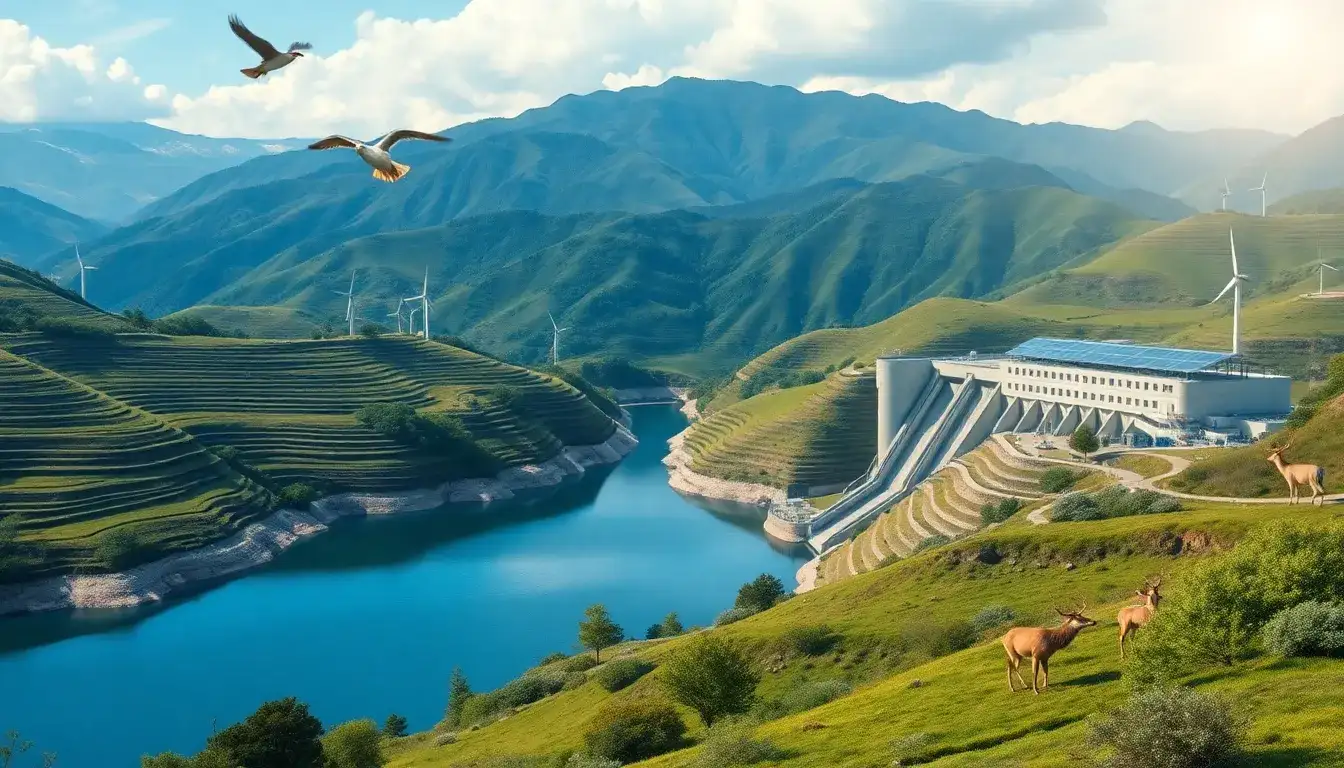
When evaluating regions where pumped hydro storage facilities might have minimal environmental impact, it’s crucial to consider factors such as site selection, technological innovations, and societal integration.
Factors Influencing Environmental Impact
- Site Selection: Choosing sites with minimal ecological value, such as brownfield sites or locations with existing infrastructure, can reduce environmental impact. Brownfield sites, for instance, can result in a 20% lower greenhouse gas footprint compared to greenfield sites.
- Technological Innovations: Underground Pumped Hydro Energy Storage (UPHES) using abandoned mine pits can minimize landscape disruption and avoid negative impacts on local residents, enhancing social sustainability.
- Regional Context: In regions with high renewable energy integration, the environmental impacts of pumped hydro energy storage can decrease over time as the grid becomes cleaner.
Regions with Potential for Reduced Environmental Impact
- Abandoned Mine Areas: Regions with many abandoned mines could benefit from UPHES, reducing environmental impact while managing legacy sites.
- Regions with Existing Infrastructure: Areas where infrastructure like dams, reservoirs, or other hydroelectric facilities already exist could be suitable for further development with less new environmental impact.
- Coastal or Rocky Regions: Areas with less ecological sensitivity or few natural habitats might be more suitable for new hydro facilities.
- High Renewable Energy Integration: Regions transitioning rapidly to renewable energy sources might see reduced environmental impacts from PHES as the energy mix becomes cleaner over time.
Challenges and Considerations
- Local Ecosystems: Even in ideal locations, pumped hydro facilities can disrupt local ecosystems through reservoir construction.
- Societal Acceptance: Communities might resist new projects due to concerns about environmental or cultural impacts, as seen with proposals like the Goldendale facility in Washington.
- Technological and Construction Emissions: While PSH has a low operational carbon footprint, construction materials like concrete and steel significantly contribute to emissions.
In summary, while pumped hydro storage inherently has environmental impacts, careful site selection and technological innovations can minimize these effects. Regions with existing infrastructure or abandoned industrial sites may offer opportunities for reduced environmental impact. However, local acceptance and ecological considerations remain crucial factors in determining suitable locations.
Original article by NenPower, If reposted, please credit the source: https://nenpower.com/blog/are-there-any-regions-where-pumped-hydro-storage-facilities-have-minimal-environmental-impact/

