

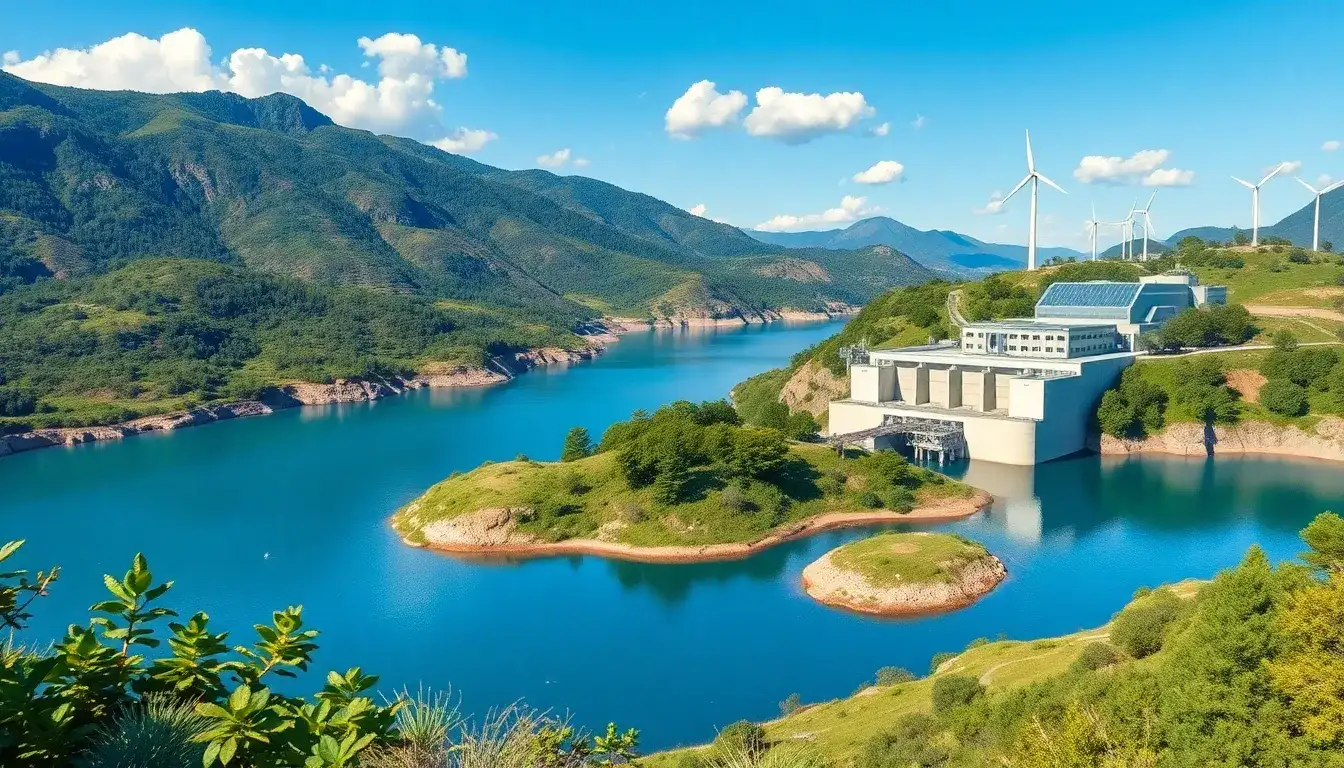
While pumped hydro storage facilities (PHS) are recognized for their low greenhouse gas emissions and potential to support renewable energy integration, their environmental impacts can vary depending on the location and type of implementation. Here are some considerations regarding successful integration with minimal environmental harm:
Successful Integration Examples
- Closed-Loop Systems: Closed-loop PHS facilities are not connected to natural water sources, which can reduce negative impacts on local ecosystems. Studies suggest that these systems have lower life cycle greenhouse gas emissions compared to other energy storage technologies. However, constructing new reservoirs can still affect local ecosystems, though the impact is generally less than in systems connected to rivers or natural water bodies.
- Underground Pumped Hydro Energy Storage (UPHES): Using abandoned mine pits for UPHES can mitigate some of the environmental drawbacks associated with traditional PHS, such as altering landscapes and affecting local residents. UPHES can also help manage abandoned mines, providing a social sustainability benefit.
- Brownfield Sites: Utilizing brownfield sites (previously developed land) for PSH can reduce environmental impact compared to developing greenfield sites (undeveloped land), as it avoids disrupting pristine natural areas.
Regions of Successful Implementation
- United States: There are ongoing efforts to expand PSH in the U.S., with studies indicating that new closed-loop PSH facilities can be environmentally advantageous.
- China: The Huizhou pumped hydro energy storage project in Guangdong Province is an example where PHS is integrated into the grid to support stable renewable energy supply. However, the study highlights the importance of grid structure and efficiency in reducing environmental impacts.
Challenges
Despite successful integration in some regions, challenges remain. These include:
- Environmental Impacts: Even with careful planning, PHS can alter local ecosystems, particularly if not connected to natural water bodies.
- Community and Tribal Concerns: Projects may face resistance due to potential damage to sacred sites or community impacts.
To ensure minimal environmental harm, careful planning, location selection, and innovative approaches like UPHES are essential.
Original article by NenPower, If reposted, please credit the source: https://nenpower.com/blog/are-there-any-regions-where-pumped-hydro-storage-facilities-have-been-successfully-integrated-without-significant-environmental-harm/

