

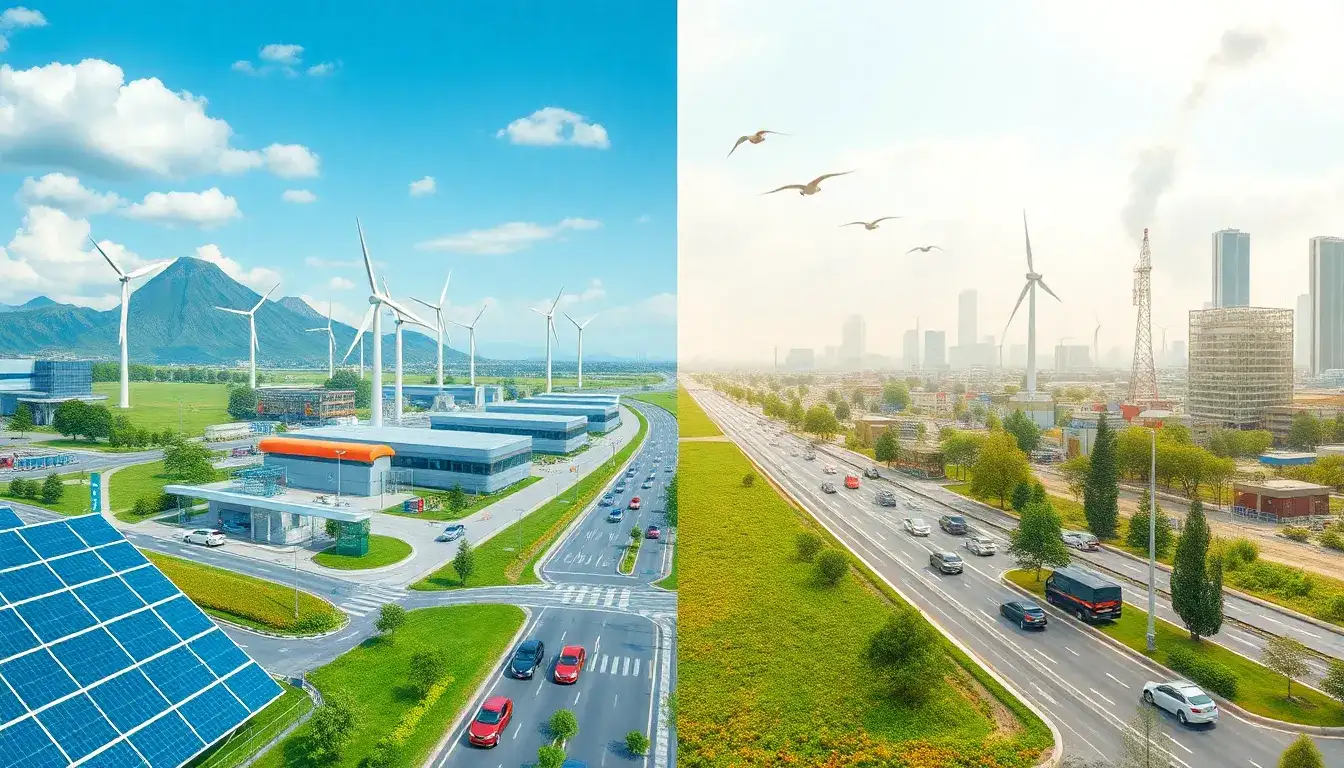
While electric vehicles (EVs) generally have a smaller carbon footprint than gasoline cars when considering both tailpipe emissions (or lack thereof) and the production of electricity for charging, there are regions and scenarios where the environmental impact of EVs might be comparable or even higher than that of gasoline vehicles. Here are some points to consider:
Regions with High Fossil Fuel Dependency
- Charging Sources: In areas where electricity is predominantly generated from fossil fuels like coal or natural gas, the overall carbon footprint of EVs increases significantly. In such regions, the environmental benefits of EVs are diminished, and they might not offer a significant advantage over gasoline cars in terms of carbon emissions.
Manufacturing Emissions
- Battery Production: The environmental impact of EV battery production is substantial due to resource extraction (e.g., lithium, cobalt) and manufacturing processes. These can release toxic fumes and require significant energy inputs, sometimes powered by carbon-intensive sources.
Overall Impact Comparison
While EVs are generally more energy-efficient and have lower emissions profiles than gasoline cars when considering the entire lifecycle, specific regions with high dependency on fossil fuels for electricity generation might see less environmental benefits from EV adoption. However, it is rare for EVs to have a significantly higher environmental impact than gasoline cars, even in such scenarios.
In summary, EVs usually offer environmental advantages over gasoline cars, especially in regions transitioning to renewable energy sources. However, the environmental benefits can be reduced in areas heavily reliant on fossil fuels for electricity generation.
| Vehicle Type | Typical Emissions |
|---|---|
| Gasoline Cars | High tailpipe emissions; energy efficiency is about 16%–25% |
| Electric Vehicles (EVs) | Zero tailpipe emissions; emissions depend on electricity source; energy efficiency is about 87%–91% |
In regions with renewable energy sources, EVs clearly offer superior emissions profiles compared to gasoline cars. However, in areas with high fossil fuel dependency, the advantages of EVs are less pronounced.
Example of a Region
- Bay Area, California: Recent studies in the Bay Area show EVs are lowering carbon emissions, but the progress needs to be faster to meet net-zero goals. This indicates that even in regions actively promoting EV adoption and renewable energy, there can be a difference in how effectively EVs reduce emissions depending on the local energy mix and infrastructure.
In conclusion, while there are scenarios where the environmental benefits of EVs over gasoline cars are reduced, it is less common for EVs to have a significantly higher environmental impact outright. The overall assessment depends heavily on local energy sources and infrastructure.
Original article by NenPower, If reposted, please credit the source: https://nenpower.com/blog/are-there-any-regions-where-evs-have-a-significantly-higher-environmental-impact-than-gasoline-cars/

