

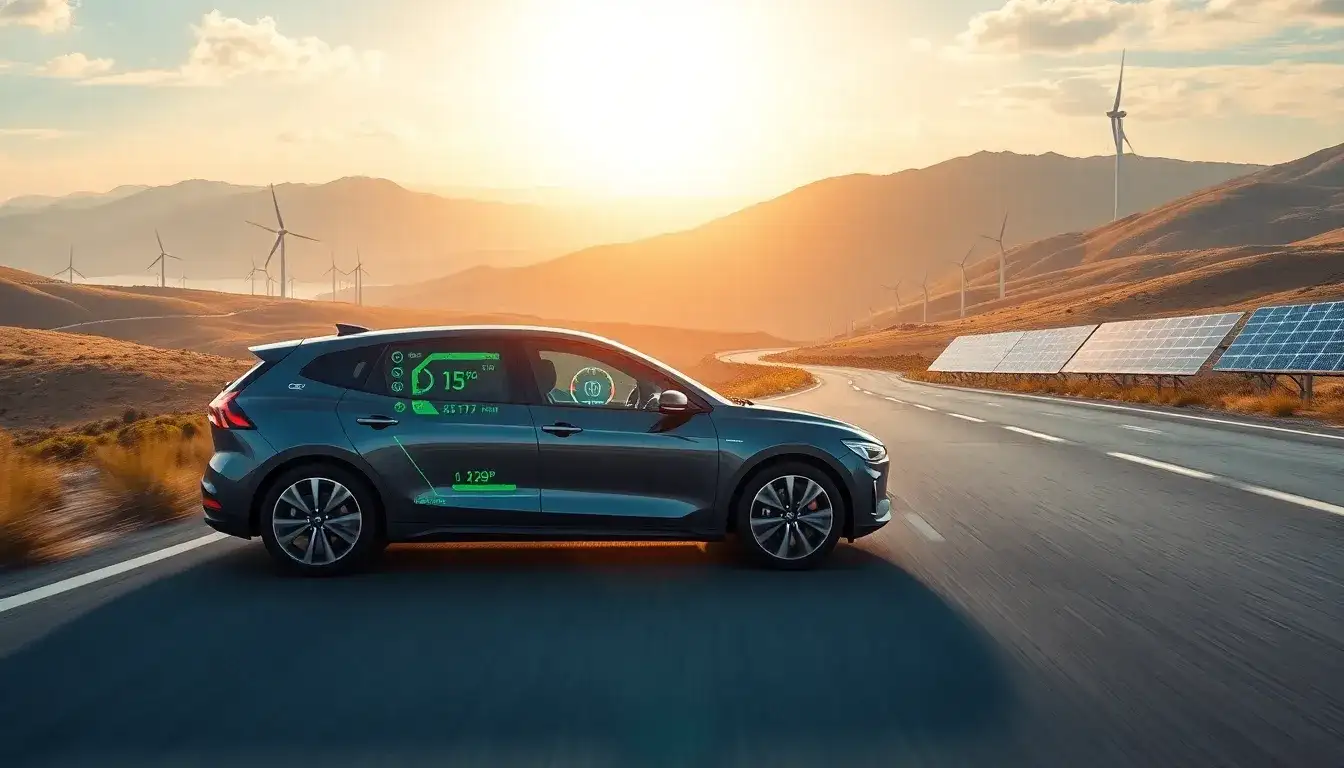
Plug-in Hybrid Electric Vehicles (PHEVs) feature advanced technologies that optimize fuel efficiency, especially on long trips, by intelligently managing the use of both electric and gasoline power sources.
How PHEVs Optimize Fuel Efficiency on Long Trips
- Electric-Only Driving Range: PHEVs typically offer an electric-only range between 10 to 80 miles, enabling no tailpipe emissions during that distance and reducing fuel use significantly for short to medium trips. This capability is especially beneficial when combined with frequent access to charging infrastructure, allowing drivers to maximize electric driving.
- Seamless Transition Between Electric and Gasoline: When the electric range is depleted, the vehicle seamlessly switches to the internal combustion engine and operates similarly to a conventional hybrid. This transition helps maintain efficiency without sudden performance loss.
- Engine Efficiency Optimization: Unlike conventional hybrids where engines may often run below peak efficiency, PHEVs can use the internal combustion engine closer to its optimal efficiency zone. This is due to the battery supplying power for modest needs, allowing the engine to run primarily when it operates most efficiently, thereby boosting overall fuel economy.
- Blended Operation Modes: Some advanced PHEVs run in blended mode, using both gasoline and electric power simultaneously or switching back and forth to optimize energy use continuously. This adaptability under varying driving conditions contributes to superior fuel economy on longer trips.
- Regenerative Braking and Charging Strategy: PHEVs use regenerative braking to recapture energy and recharge batteries during driving, which enhances efficiency without the need for external charging at every stop.
Examples of Advanced PHEV Technology Benefits
- PHEVs with battery storage capacity of around 20 miles or more of electric range can reduce petroleum consumption by over 45%, which is particularly significant for long-distance travelers who can plan charging stops.
- Cost-benefit analyses suggest that while the upfront cost for PHEVs with advanced battery capacity may be higher, the substantial reduction in fuel consumption and petroleum dependency justifies governmental support and incentives to encourage adoption.
In summary, PHEVs incorporate advanced technology such as efficient battery-electric range, intelligent engine management, regenerative braking, and seamless power transitions to optimize fuel efficiency on long trips. These features enable drivers to benefit from reduced fuel use, lower emissions, and cost savings, especially when combined with strategic charging practices and hybrid driving modes.
Original article by NenPower, If reposted, please credit the source: https://nenpower.com/blog/are-there-any-phevs-with-advanced-technology-for-optimizing-fuel-efficiency-on-long-trips/

