

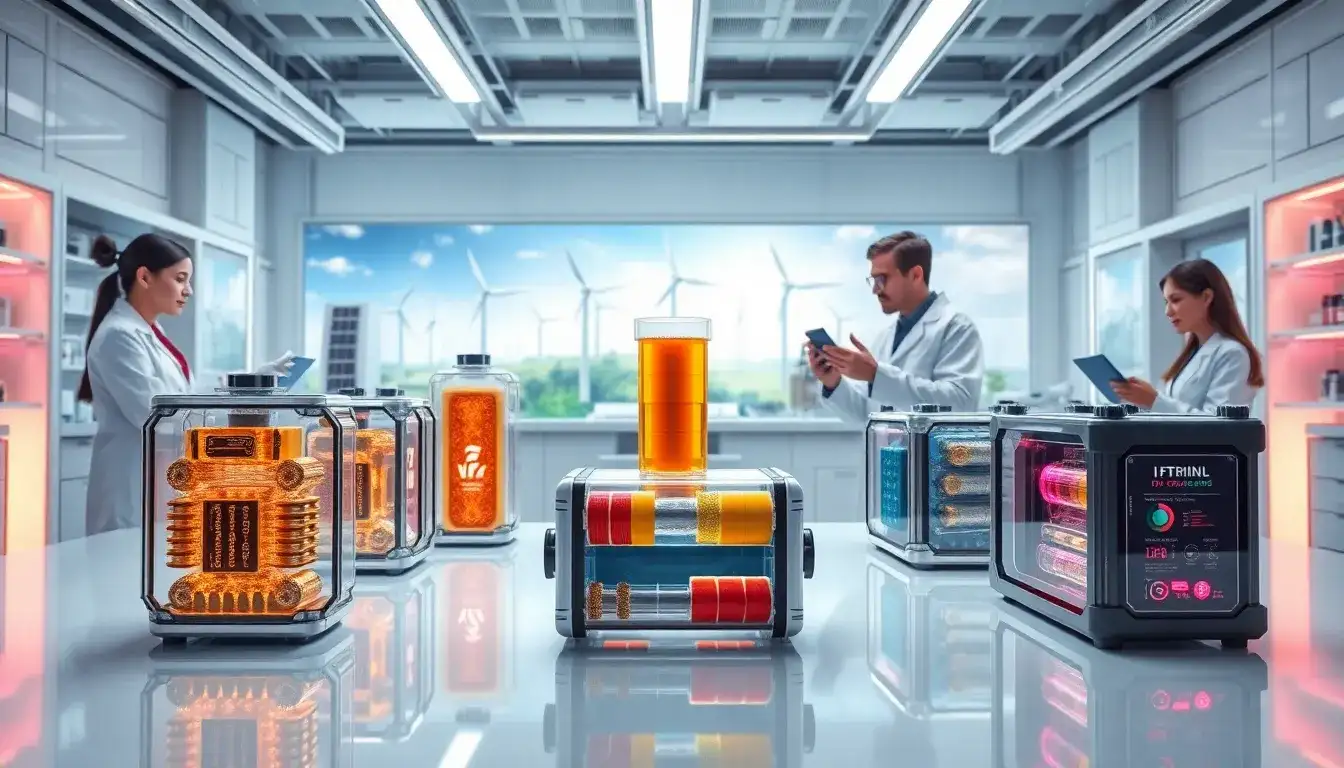
Several new battery technologies are emerging that could potentially replace or complement lithium-ion batteries in the future. Here are some of the most promising ones:
Emerging Battery Technologies
1. Sodium-ion Batteries
Sodium-ion batteries use sodium instead of lithium as charge carriers. Sodium is more abundant and cheaper than lithium, which could reduce production costs and make electric vehicles more affordable. However, these batteries currently have lower energy density, resulting in shorter ranges for electric vehicles.
2. Solid-State Batteries
Solid-state batteries replace the liquid electrolyte in lithium-ion batteries with solid materials, offering potential improvements in safety and energy density. However, they face challenges related to charging speed and performance degradation over time. Companies like Toyota plan to start commercial production by 2027.
3. Zinc-Manganese Oxide Batteries
These batteries could increase energy density without raising costs, making them suitable for large-scale energy storage. They work differently from lithium-ion batteries and could offer a safer alternative for grid support.
4. Lithium-Sulfur Batteries
Lithium-sulfur batteries use sulfur instead of cobalt or nickel, which could be more sustainable and have higher energy density. However, they face issues with fast degradation and require further research for practical use.
5. Graphene Batteries
Graphene batteries are ultra-thin and strong, offering excellent electrical conductivity. They are expected to improve charging times significantly but are currently expensive to produce, limiting widespread adoption.
6. Silicon-Carbon Batteries
These are an enhancement of traditional lithium-ion batteries with silicon incorporated into the graphite anode, allowing higher energy density. They are already being used in some smartphones.
7. Gold Nanowire Gel Electrolyte Batteries
These batteries use gel electrolytes and gold nanowires for resilience and durability. They can withstand thousands of charge cycles without significant loss of capacity.
8. Organosilicon Electrolyte Batteries
These batteries use safer electrolytes made from organosilicon compounds, reducing the risk of fires or explosions associated with lithium-ion electrolytes.
9. Aqueous Magnesium Batteries
These batteries use magnesium instead of lithium, offering higher energy density and safety due to the aqueous electrolyte. However, they face limitations in cathode materials and voltage cap due to water breakdown.
Conclusion
While these technologies show promise, they are still in various stages of development, and significant challenges must be overcome before they become widely adopted alternatives to lithium-ion batteries. However, they represent a crucial step towards more sustainable, efficient, and cost-effective energy storage solutions.
Original article by NenPower, If reposted, please credit the source: https://nenpower.com/blog/are-there-any-new-battery-technologies-emerging-that-could-replace-lithium-ion-batteries/

