Negative Environmental Impacts of Floating Solar Panels
1. Increased Greenhouse Gas Emissions on Small Water Bodies
Studies have shown that floating solar panels can increase greenhouse gas (GHG) emissions, particularly on small ponds. For example, one field study found a nearly 27% increase in GHG emissions, including carbon dioxide equivalents, after deployment of floating photovoltaic arrays covering about 70% of the pond surface. This effect is linked to changes in physical, chemical, and biological processes within the water body, such as reduced dissolved oxygen levels, which can enhance microbial activity that produces GHGs.
2. Alteration of Aquatic Ecosystems
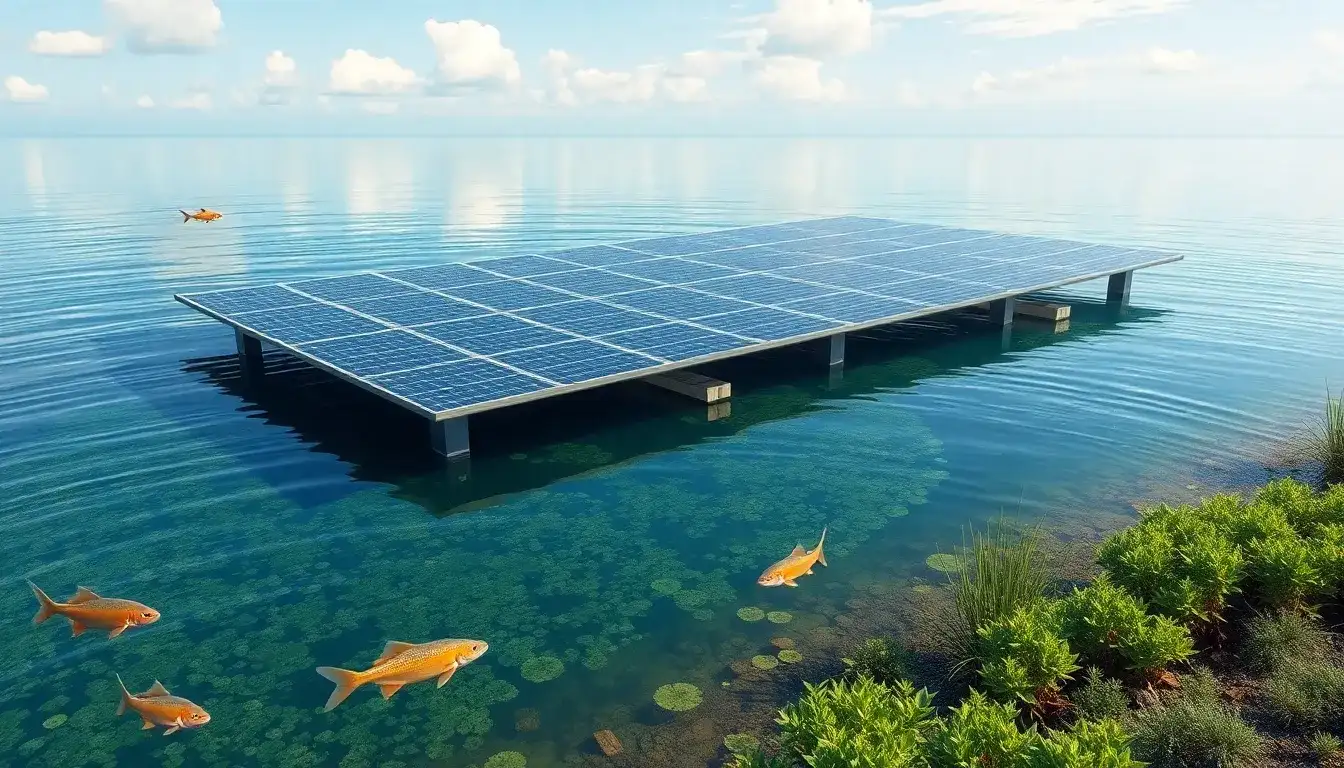
Floating solar panels cover the water surface, significantly reducing sunlight penetration. This shading effect can disrupt the photosynthesis of aquatic plants and algae, altering the aquatic food web and ecosystem dynamics. Such changes may impact local flora and fauna, including fish habitats and overall biodiversity. These ecological shifts can potentially reduce oxygen levels in the water, further stressing aquatic life.
3. Potential Contamination from Panel Materials
Certain solar panel technologies, such as those using cadmium telluride, pose a risk of heavy metal contamination. If panels degrade or come into contact with water through rain or damage, toxic substances could leach into the water, harming aquatic organisms and affecting water quality.
4. Thermal and Hydrological Effects
The presence of floating solar panels can alter the thermal profile of water bodies, generally cooling the surface water but potentially changing deeper water temperatures and stratification patterns. Additionally, while floating solar panels reduce water evaporation by up to 70% in covered areas, this alteration of natural hydrological cycles could have longer-term ecological consequences that require further study.
5. Environmental Footprint of Production and Installation
The lifecycle of floating solar panels, including material extraction, manufacturing, transportation, and installation, contributes to greenhouse gas emissions and air pollution. Moreover, decommissioning and disposal of solar panels at the end of their life can result in land and water pollution if not managed properly.
Summary Table of Negative Environmental Impacts
| Impact Area | Description | Environmental Concern |
|---|---|---|
| Greenhouse Gas Emissions | Increased emissions on small ponds by ~27% after deployment | Adds to carbon footprint, affects climate change mitigation |
| Ecosystem Alteration | Reduced sunlight affects photosynthesis, alters habitats | Impacts aquatic plants, fish, biodiversity |
| Toxic Material Leaching | Risk of cadmium telluride contamination | Water pollution, toxicity to aquatic organisms |
| Thermal and Hydrological Changes | Changes in water temperature and evaporation | Potential unknown long-term ecosystem effects |
| Production and Disposal Footprint | Emissions and pollution from manufacture and waste | Air, land, and water pollution |
Conclusion
While floating solar panels provide renewable energy benefits and water conservation advantages such as reduced evaporation, they also pose negative environmental impacts. These include increased greenhouse gas emissions in some water bodies, disruption of aquatic ecosystems through shading and oxygen reduction, potential contamination risks from panel materials, and broader environmental costs associated with production and disposal. Careful ecological assessment and adaptive management strategies are essential to mitigate these drawbacks and ensure that floating solar deployment remains sustainable.
Original article by NenPower, If reposted, please credit the source: https://nenpower.com/blog/are-there-any-negative-environmental-impacts-associated-with-floating-solar-panels/