

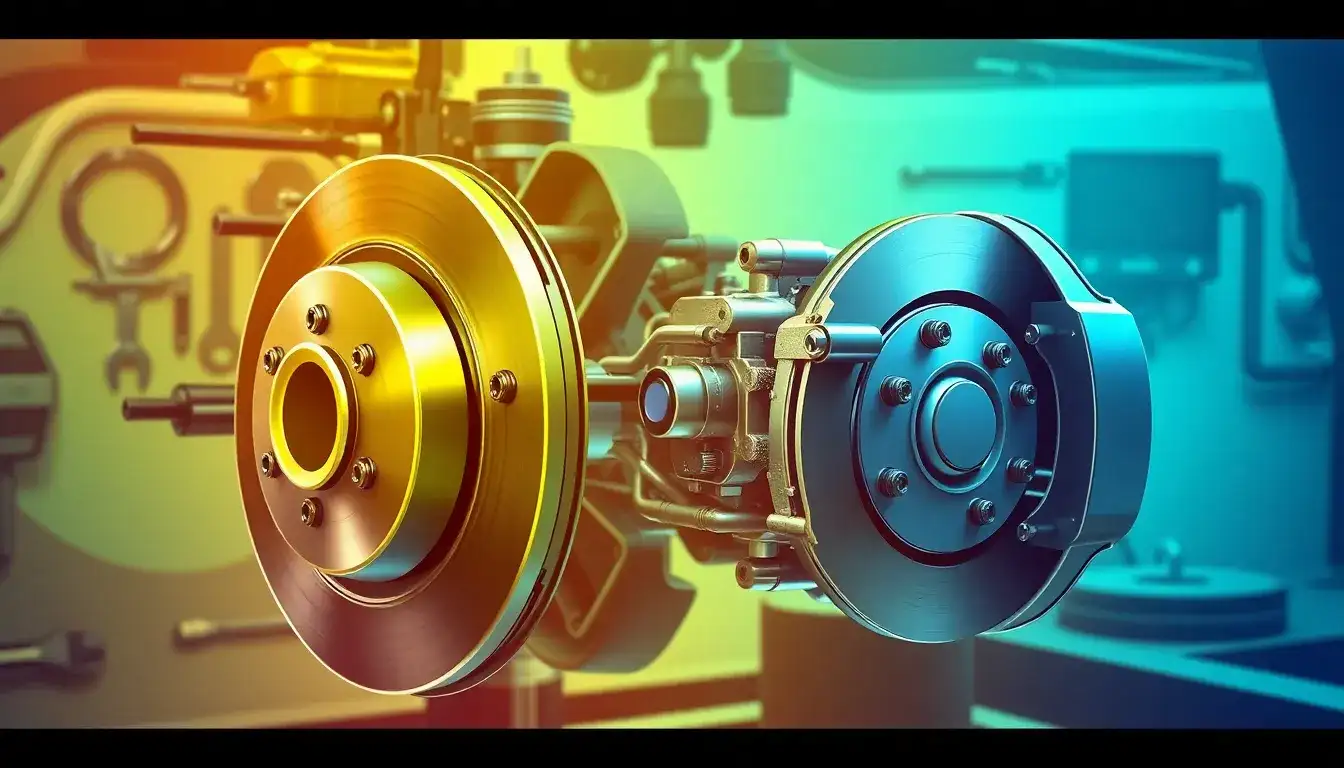
Maintaining the braking systems of Hybrid Electric Vehicles (HEVs) and Plug-in Hybrid Electric Vehicles (PHEVs) is crucial for their efficiency and safety. Here are some key maintenance tips:
Understanding Regenerative Braking
- Regenerative Braking System: HEVs and PHEVs use regenerative braking, which captures kinetic energy and converts it into electrical energy to recharge the battery. This significantly reduces wear on traditional brake pads.
- Benefits: Regenerative braking enhances fuel efficiency and extends the life of brake components.
Regular Inspections
- Brake Pad Inspection: Regularly inspect brake pads for wear, as they are still used when regenerative braking is insufficient or during hard braking. Even though regenerative braking reduces wear, pads should be checked every 10,000 to 15,000 miles.
- Brake Fluid Checks: Ensure brake fluid levels are appropriate and that the fluid is in good condition. Contaminated or low-level fluid can lead to system failure.
- System Functionality: Check that the entire braking system functions correctly, ensuring safety and efficiency.
Preventive Measures
- Follow Manufacturer Recommendations: Adhere to the manufacturer’s maintenance schedule to prevent issues and ensure peak performance.
- Professional Inspections: Regular professional check-ups can help identify potential problems before they become serious, ensuring warranty compliance and extending vehicle life.
Additional Considerations
- Tire Maintenance: Properly inflated and well-maintained tires are crucial for effective braking performance. Regular tire checks and rotations can help prevent uneven wear and ensure optimal traction.
- Cooling Systems: Regularly inspect the cooling systems for the high-voltage batteries and electric motors to prevent overheating and ensure optimal performance.
Original article by NenPower, If reposted, please credit the source: https://nenpower.com/blog/are-there-any-maintenance-tips-for-the-braking-systems-in-hevs-and-phevs/

