

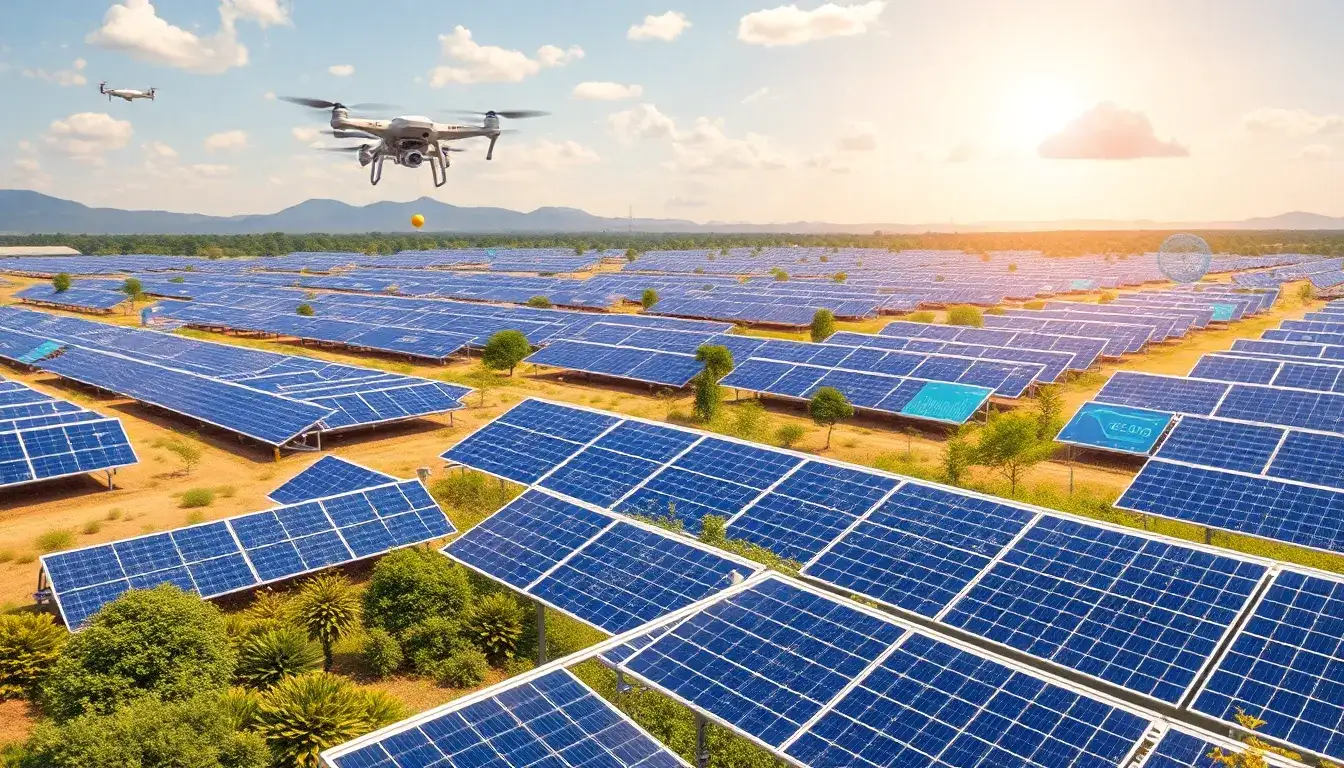
Limitations of IoT for Solar Panel Monitoring
- Data Management Challenges: Managing large amounts of data collected from sensors and devices can be complex. Ensuring that the data is processed efficiently and effectively is crucial for optimal performance.
- Signal Interference and Connectivity Issues: Wireless signal interference and unreliable internet connectivity can disrupt data transmission, affecting the real-time monitoring capability of the system.
- Technician Knowledge and Skills: Technicians need specialized knowledge and skills to interpret data and perform maintenance tasks efficiently. This can be a barrier to effective operation in some cases.
- Security Concerns: Ensuring the security of IoT systems is important to prevent unauthorized access and data breaches, which could compromise system reliability and performance.
- High Upfront Costs: Implementing IoT-based solar monitoring systems can have high initial costs, which may be a barrier for some users.
- Technical Glitches and Maintenance: The system itself requires maintenance to prevent technical issues and ensure continuous operation. This can add to the ongoing costs.
- Environmental Factors: External factors like dust accumulation on panels, temperature variations, and changes in solar irradiance can affect performance and require continuous monitoring.
Despite these challenges, IoT technology remains a powerful tool for improving the efficiency and sustainability of solar power systems by allowing for real-time monitoring and quick response to issues.
Original article by NenPower, If reposted, please credit the source: https://nenpower.com/blog/are-there-any-limitations-to-using-iot-for-solar-panel-monitoring/

