

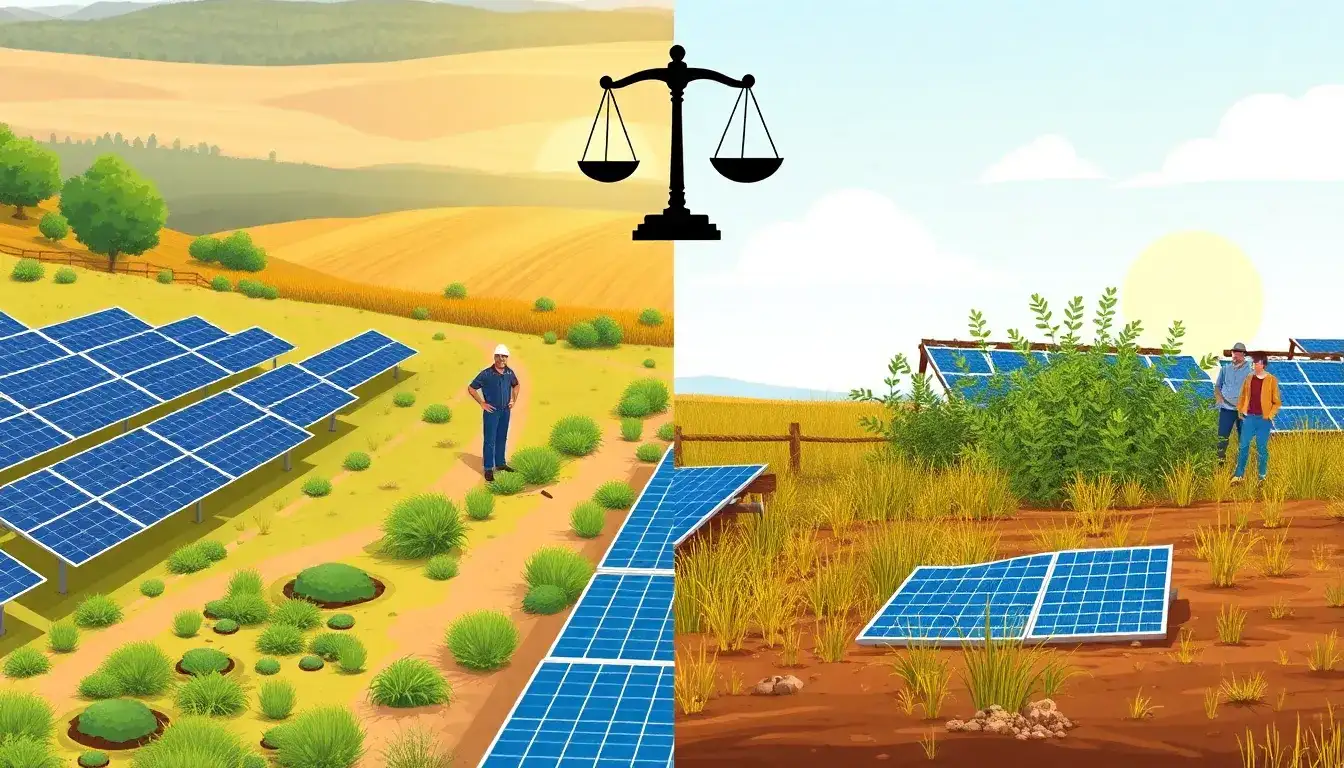
Landowners do have legal protections to ensure solar developers properly decommission solar sites, though the extent and specifics vary by contract and jurisdiction.
Contractual Protections for Landowners
- Security Bonds or Financial Guarantees: A well-negotiated solar lease typically requires the developer to provide a security bond or other financial guarantee. This serves as a dedicated fund to cover decommissioning costs if the developer fails to do so. Such bonds protect the landowner from bearing the costs of site restoration themselves, especially when local governments do not mandate bonding.
- Detailed Decommissioning Provisions in Lease: Landowners should ensure their leases comprehensively address decommissioning responsibilities, including timelines, cost estimates, and restoration requirements. This can create enforceable contractual obligations on the developer to restore the property appropriately.
State Legal and Regulatory Protections
- State Decommissioning Policies: At least 32 U.S. states have enacted laws or regulations requiring solar developers to submit and adhere to decommissioning plans. These plans often must include financial assurances and are subject to approval by state regulatory bodies.
- Example: Ohio Law (SB 52):
- Requires submission of a comprehensive decommissioning plan prepared by a registered engineer, including a list of involved parties, a schedule limited to 12 months after cessation, and a full cost estimate excluding salvage values.
- The plan and cost estimate must be updated every five years.
- A performance bond must be posted and maintained to guarantee funds are available for decommissioning. The bond is held by the Ohio Power Siting Board and must be renewed periodically.
- Example: North Carolina: Requires approval of a decommissioning plan that must restore the property to its pre-project condition or another agreed condition, with emphasis on removing equipment and properly handling waste. Landowners and local governments can impose stricter terms in contracts.
Summary
Landowners can obtain legal protections against improper or incomplete decommissioning by:
- Ensuring their solar leases include explicit decommissioning terms and require the developer to secure financial guarantees such as bonds.
- Relying on applicable state statutes that mandate approved decommissioning plans, cost estimates, and bonding requirements, like those in Ohio and North Carolina.
These combined contractual and statutory measures provide landowners with mechanisms to require proper site restoration or to access funds to do so if the developer defaults.
Original article by NenPower, If reposted, please credit the source: https://nenpower.com/blog/are-there-any-legal-protections-for-landowners-if-the-solar-developer-fails-to-decommission-the-site-properly/

