

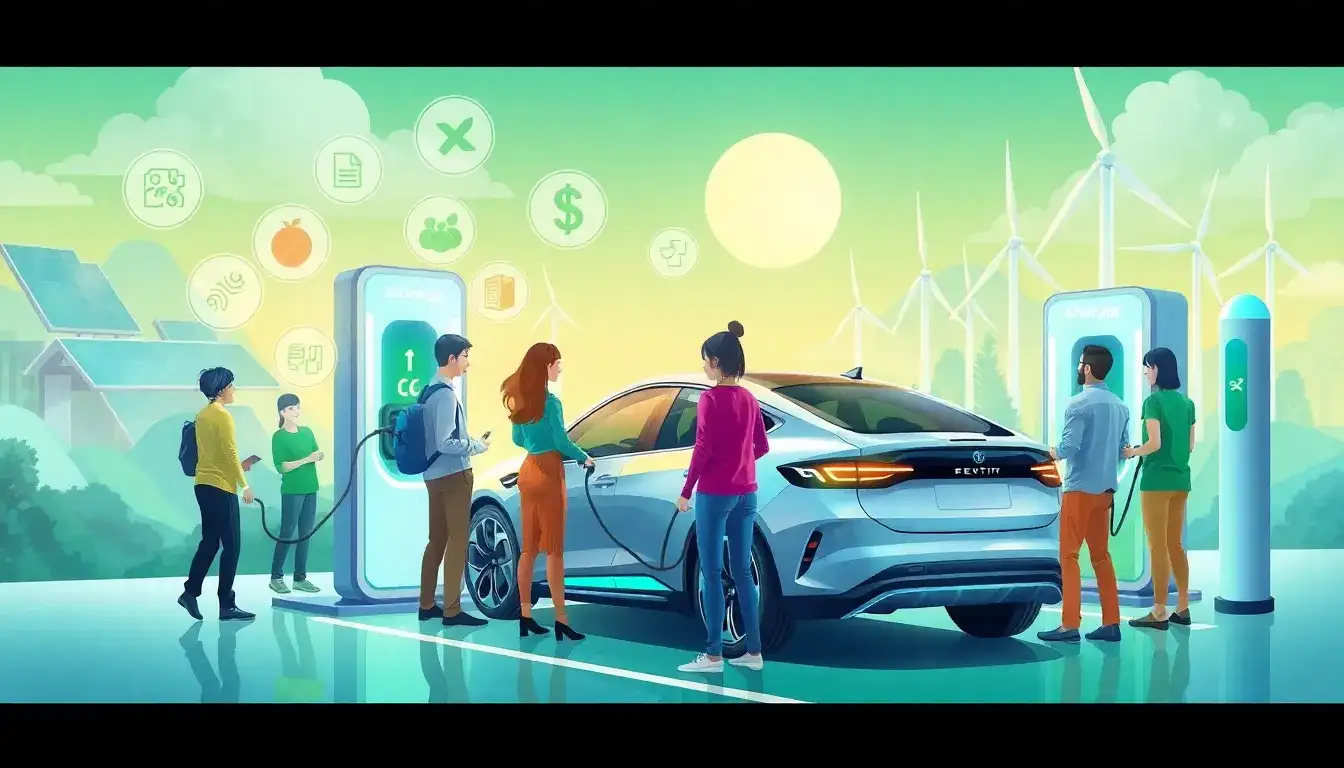
Yes, there are several incentives available to offset the higher costs of installing and operating fast charging (DC Fast Chargers or DCFC) for electric vehicles (EVs). These incentives come from utilities, state programs, and federal funding initiatives, aimed at reducing the upfront costs and encouraging deployment of fast charging infrastructure.
Types of Incentives for Fast Charging
- Rebates for Installation Costs
Many utility companies and state programs offer substantial rebates to commercial customers who install DC fast chargers. For instance, Consumers Energy in Michigan offers rebates up to $70,000 for the installation of a DCFC charger through their PowerMIDrive™ program, which helps lower the initial investment in fast chargers. - Make-Ready Infrastructure Upgrades
Some utilities also provide “make-ready” upgrades, meaning they pay for, own, and maintain the electric infrastructure from the utility transformer to the meter on the customer’s property. Consumers Energy, for example, covers this infrastructure work to ensure sites are prepared for fast charging, thus further lowering installation costs. - Federal and State Funding
The National Electric Vehicle Infrastructure (NEVI) program provides up to 80% funding towards DC fast charging infrastructure projects along major highway corridors. This funding supports projects that meet specific requirements like minimum power capacity (150 kW), multiple simultaneous vehicle charging, and proximity to alternative fuel corridors. Arizona, for example, has received $76.5 million over five years for such initiatives. - Time-of-Use (TOU) Rates and Special Electricity Pricing
Utilities sometimes offer special electricity rates or credits for EV owners who charge during off-peak hours, reducing the operational costs. Such programs may indirectly offset higher costs by lowering electricity bills associated with fast charging. - Additional State and Local Rebates
Beyond direct rebates for fast chargers, some programs offer incentives to commercial and public sector customers to install EV charging in general, including level 2 and DC fast charging equipment. These can significantly reduce total costs depending on location and utility territory.
Summary
Many utilities, states, and federal programs provide financial incentives to support the cost of deploying fast chargers including:
- Rebates up to tens of thousands of dollars per DCFC unit
- Make-ready infrastructure upgrades paid by utilities
- Funding covering a major portion of project costs under federal programs
- Special electricity rates or demand charge discounts for EV charging load
These incentives help offset the higher installation and operational costs associated with fast charging and encourage wider EV adoption by expanding fast charging access.
Original article by NenPower, If reposted, please credit the source: https://nenpower.com/blog/are-there-any-incentives-to-offset-the-higher-costs-of-fast-charging/

