

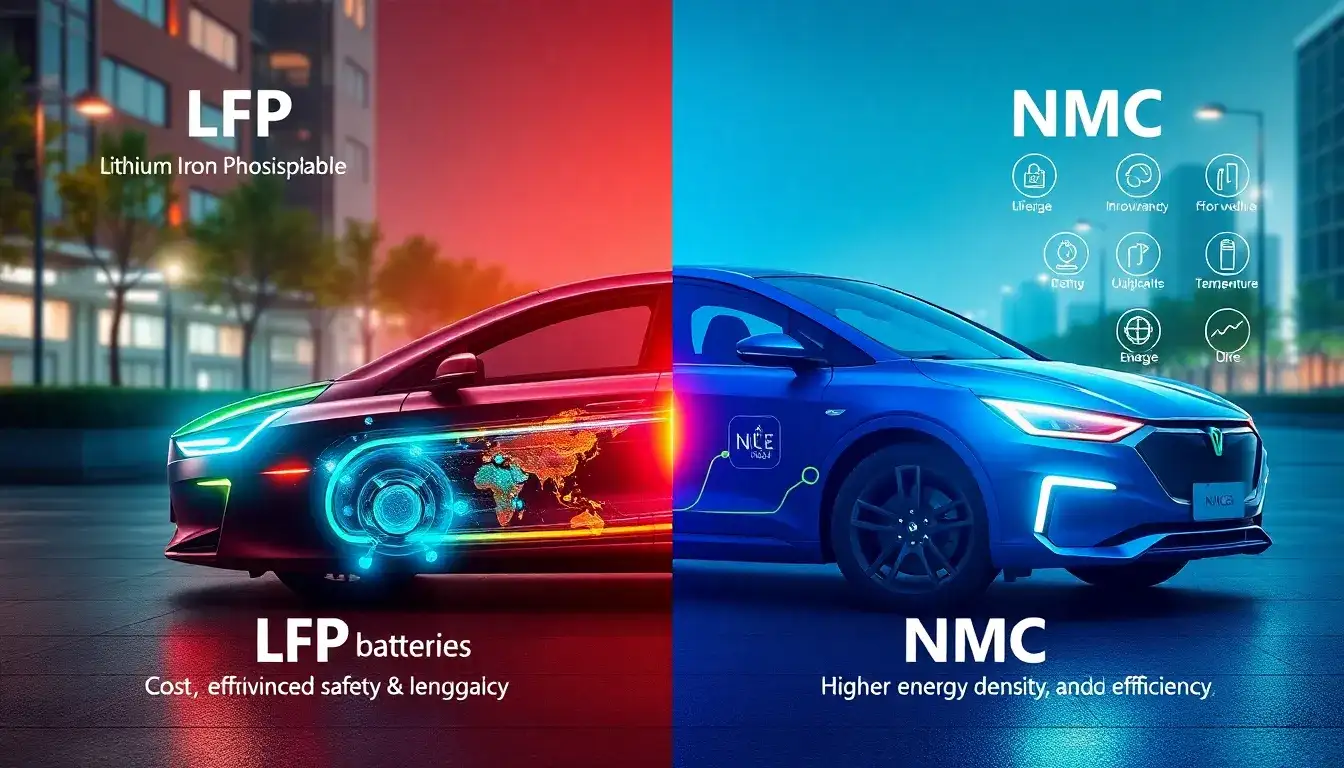
Incentives for Using LFP Batteries Over NMC Batteries in the EV Industry
There are several incentives for using LFP (Lithium Iron Phosphate) batteries over NMC (Nickel Manganese Cobalt) batteries in the electric vehicle (EV) industry:
- Safety and Stability:
- LFP batteries are safer due to their thermal stability and resistance to thermal runaway, reducing the risk of fires or explosions.
- This safety profile is crucial for EVs, as it enhances passenger protection and reduces potential liability.
- Durability and Longevity:
- LFP batteries have a longer cycle life, with some lasting up to 6,000 cycles, compared to NMC’s typical 800 cycles.
- This extended lifespan can lead to lower overall maintenance and replacement costs, providing long-term cost savings.
- Cost-Effectiveness:
- LFP batteries are generally less expensive to produce due to simpler materials and construction.
- The cost per cycle is lower for LFP batteries, making them more economical over time.
- Environmental Considerations:
- LFP batteries contain less toxic materials like nickel and cobalt, which can reduce environmental impact during mining and disposal.
- This aligns with increasing consumer and regulatory demands for more sustainable products.
- Temperature Tolerance:
- While LFP batteries struggle in cold conditions, they handle heat better than NMC batteries, which can be advantageous in warmer climates.
- This is particularly relevant as EVs are used in diverse environmental conditions globally.
- Regulatory Trends:
- There is a growing trend towards using more sustainable and safer battery technologies due to regulatory pressures and consumer preferences.
- LFP batteries align with these trends by offering a safer and more environmentally friendly option.
Challenges for LFP Adoption
Despite these incentives, LFP batteries have some challenges, such as:
- Lower Energy Density: LFP batteries store less energy per unit weight than NMC batteries, which can affect EV range and performance.
- Performance in Cold Conditions: Their efficiency drops significantly in cold temperatures, which might limit their use in colder climates.
However, these challenges are being addressed through ongoing advancements in battery technology and by optimizing EV designs to better suit LFP battery characteristics.
Original article by NenPower, If reposted, please credit the source: https://nenpower.com/blog/are-there-any-incentives-for-using-lfp-batteries-over-nmc-batteries-in-the-ev-industry/

