

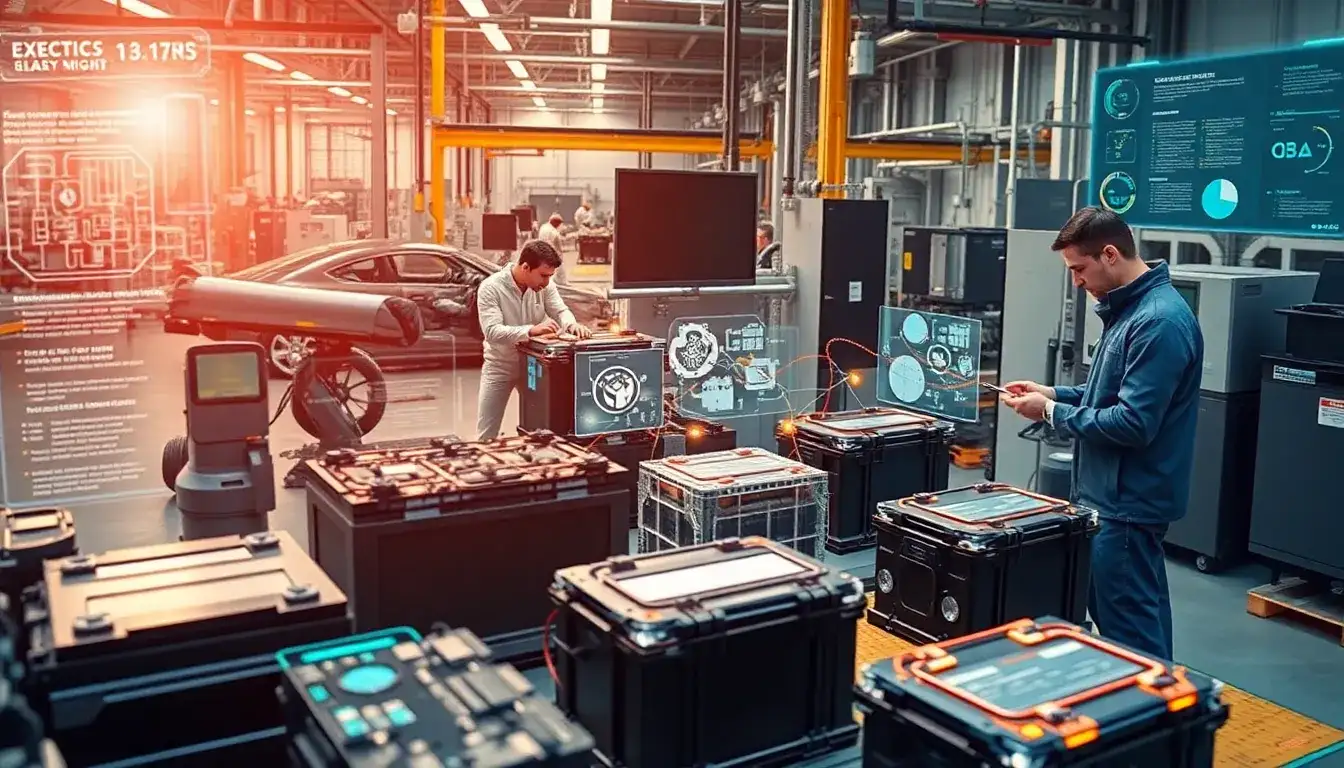
Commercial electric vehicles (EVs) do have different rules compared to personal EVs when it comes to the battery sourcing requirements for tax credits. Commercial EVs do not face the same sourcing restrictions as personal vehicles. They can qualify for up to $7,500 in federal tax credits without needing to meet the battery sourcing requirements, which include manufacturing or assembling a certain percentage of battery components in North America and sourcing critical minerals from specific regions.
However, for personal vehicles, there are specific requirements to qualify for the full tax credit of $7,500. Vehicles must meet both the critical mineral requirement (where at least 40% of the value of critical minerals must be extracted or processed in the U.S., in a country with a free-trade agreement with the U.S., or from materials recycled in North America) and the battery sourcing requirement (where at least 50% of the value of the battery components must be manufactured or assembled in North America). These percentages increase annually.
Exceptions for commercial EVs mainly involve the absence of these strict sourcing requirements in order to qualify for the tax credits. However, they still must undergo final assembly in North America and comply with other conditions such as pricing limits, which do not apply to commercial vehicles in the same way as personal vehicles.
Original article by NenPower, If reposted, please credit the source: https://nenpower.com/blog/are-there-any-exceptions-to-the-battery-sourcing-requirements-for-commercial-evs/

