

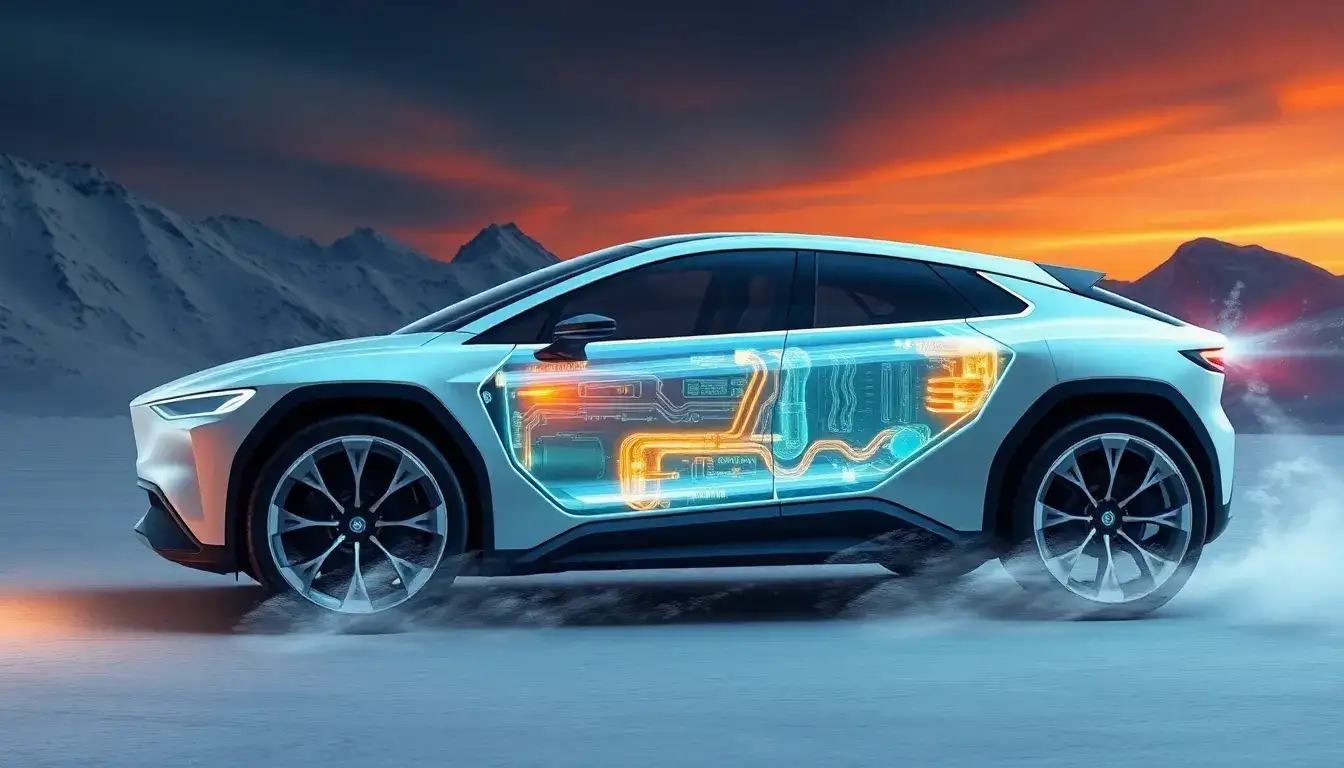
Yes, there are electric vehicles (EVs) being developed with advanced battery technologies designed to perform better in extreme temperatures, among other improvements.
Key advanced battery technologies relevant for extreme temperatures include:
- Solid-State Batteries: These batteries replace the traditional liquid electrolyte with a solid electrolyte, which greatly improves safety, energy density, and potentially thermal stability. Solid-state batteries are considered a major advancement because their solid electrolytes can better withstand temperature variations, reducing risks such as electrolyte leakage or thermal runaway that are common in liquid-based lithium-ion batteries. Companies like Toyota and QuantumScape are pioneering this technology, aiming for commercial availability within the next decade. This technology is expected to offer longer range, faster charging, and improved safety, which indirectly addresses extreme temperature challenges by providing more stable battery performance under harsh conditions.
- Graphene Batteries: Another emerging technology is graphene-enhanced batteries that claim to offer higher range (up to 500 miles) and quick recharge (in a few minutes). While graphene batteries primarily focus on energy density and charging speed, graphene’s excellent thermal conductivity can also help manage heat dissipation, potentially improving battery performance and longevity in extreme temperatures.
- Lithium-Sulfur Batteries and Silicon Anodes: These technologies improve energy density and battery efficiency. Though their direct effect on extreme temperature performance is less highlighted, higher efficiency and capacity can contribute to more robust battery operation under varying conditions.
Current Market Use and Development:
Traditional lithium-ion batteries are still predominant in EVs but have known limitations regarding extreme cold or heat, where battery efficiency and lifespan can degrade. Advanced batteries like solid-state are still largely in development and testing phases but are highly anticipated to address these limitations.
In summary, while current commercial EVs mostly use lithium-ion batteries that can be sensitive to extreme temperatures, cutting-edge technologies such as solid-state batteries and graphene-enhanced batteries are being developed with properties that will improve performance, safety, and durability in extreme temperature environments.
Original article by NenPower, If reposted, please credit the source: https://nenpower.com/blog/are-there-any-evs-with-advanced-battery-technology-for-extreme-temperatures/

