

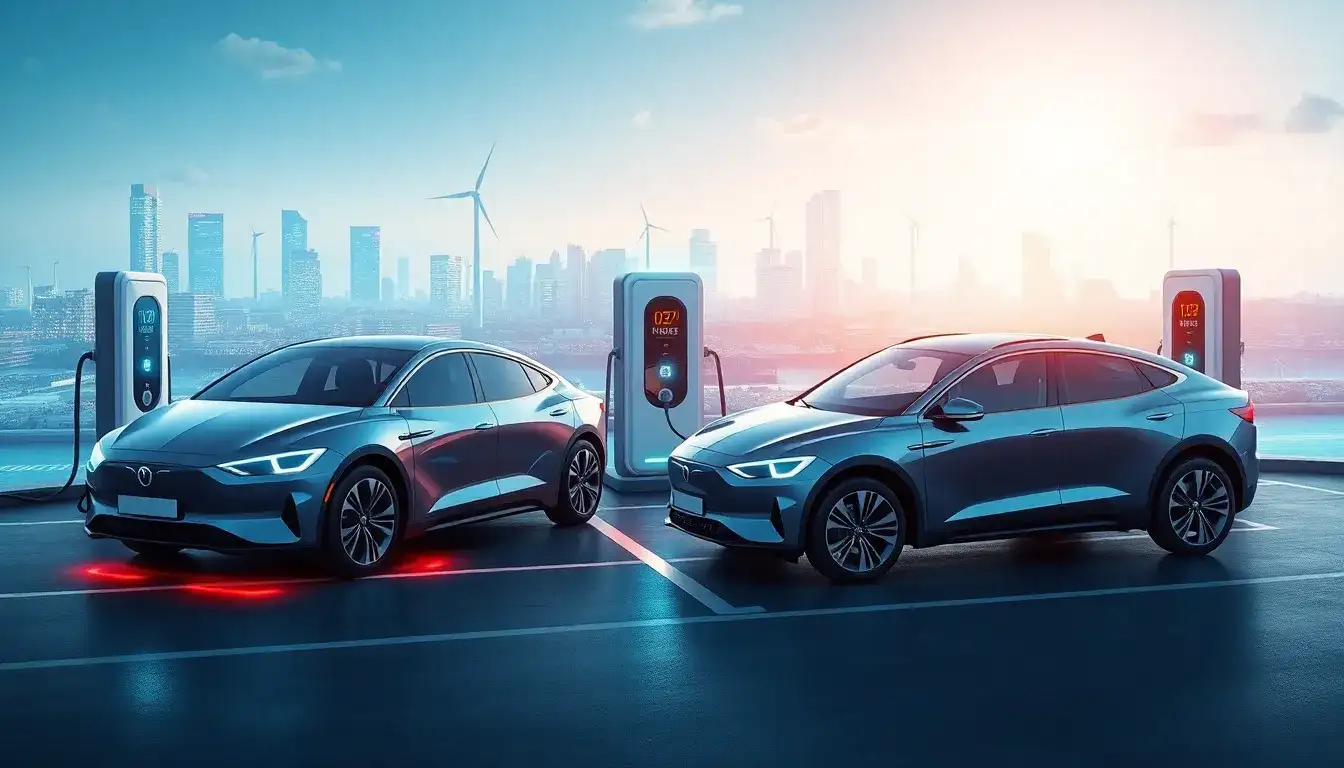
Several electric vehicles (EVs) incorporate advanced technologies specifically designed to mitigate the potentially adverse effects of fast charging, particularly direct-current fast charging (DCFC), which can rapidly replenish battery range but may stress the battery if not properly managed.
Technologies Mitigating Fast Charging Effects in EVs
- Advanced Thermal Management Systems
Modern EVs use sophisticated battery thermal management systems to keep battery temperatures within optimal ranges during fast charging. Maintaining ideal battery temperature reduces thermal stress and prevents degradation caused by overheating or charging in extreme cold conditions. - Adaptive Charging Algorithms
Intelligent battery management systems dynamically adjust charging rates based on the state of the battery and its usage patterns. These algorithms optimize charging speed to balance rapid replenishment with battery longevity by controlling power delivery and stopping charging at a suitable point (often around 80% state of charge) to minimize stress on battery cells. - Enhanced Battery Chemistries
Newer battery chemistries are engineered to be more resilient to high charging rates, which helps extend battery life despite repeated fast charging. These advancements improve the ability of batteries to withstand rapid influxes of power without significant degradation. - Battery Preconditioning
Some EVs precondition the battery before fast charging sessions, heating or cooling it to ideal temperatures that maximize charging efficiency and minimize battery wear, especially in extreme ambient temperatures.
Impact and Research Findings
Research on large datasets of Tesla vehicles, which frequently utilize DC fast charging, indicates that frequent fast charging does not necessarily lead to significant battery capacity loss compared to less frequent fast charging. This suggests that advancements in battery management and vehicle technology have effectively mitigated many of the negative impacts traditionally associated with fast charging.
Additional Approaches to Mitigate Effects (Beyond Vehicle Technology)
- Limiting frequent use of DC fast charging in favor of slower Level 2 charging for daily use helps preserve battery health.
- Incorporating energy storage at highway fast-charging stations can help manage power demands and reduce grid stress, indirectly supporting battery-friendly charging rates.
In summary, many current EVs employ a combination of thermal management, adaptive charging algorithms, improved battery chemistries, and preconditioning to mitigate the effects of fast charging on battery health. These technologies enable fast charging with minimal long-term degradation, making rapid charging practical for everyday use and long-distance travel.
Original article by NenPower, If reposted, please credit the source: https://nenpower.com/blog/are-there-any-evs-that-use-advanced-technology-to-mitigate-the-effects-of-fast-charging/

