

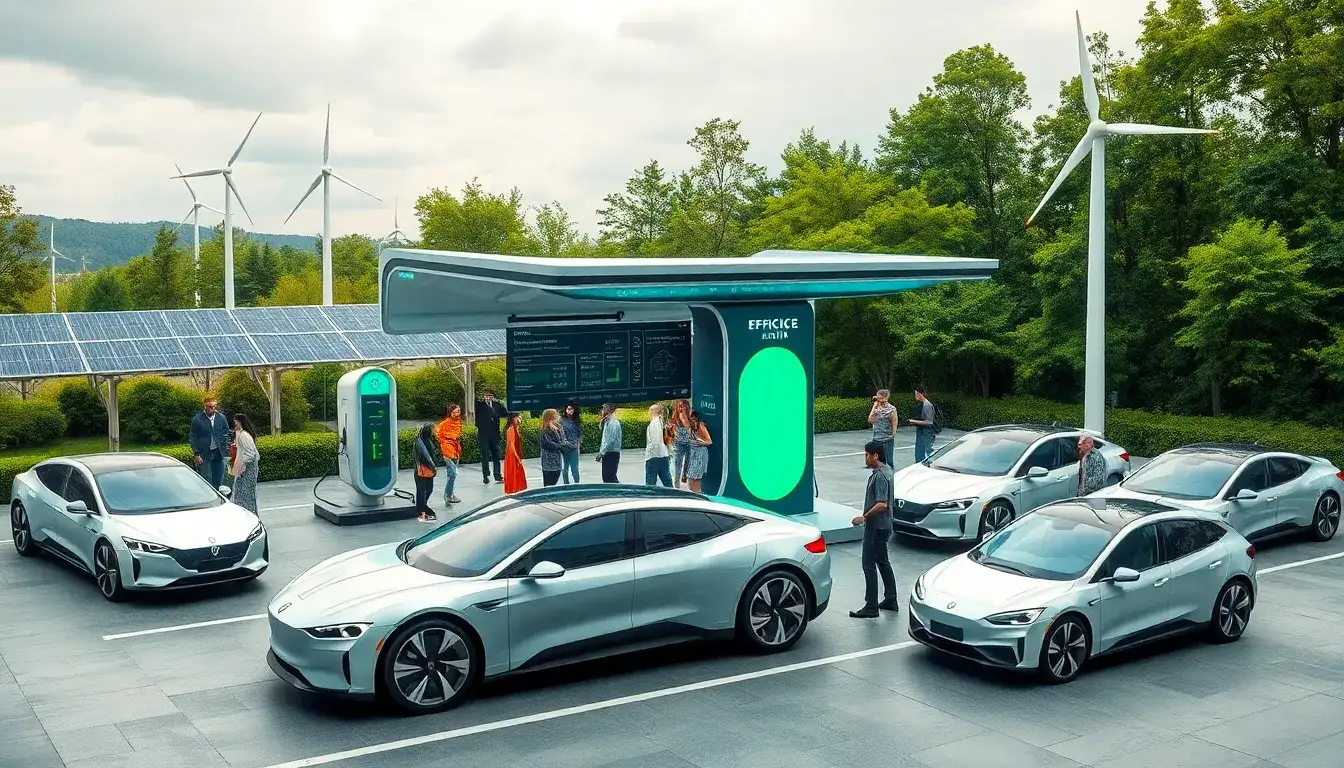
There are no specific EV models that completely eliminate the trade-off between fast charging costs and battery degradation, but many modern electric vehicles and their battery management systems are designed to minimize these effects as much as possible.
Impact of Fast Charging on Battery Degradation and Costs
- Fast charging accelerates battery degradation: Frequent use of DC fast charging (rapid charging) results in increased battery wear due to the high voltage and current causing lithium plating and thermal stress inside the battery cells. This degradation reduces the battery’s capacity over time, meaning faster loss of driving range and potentially higher long-term costs due to reduced battery life.
- Battery degradation is influenced by charging habits and conditions: Degradation depends on state of charge during charging, charge rate, and battery temperature. Keeping the battery between 20% and 80% state of charge and avoiding extreme temperatures helps extend battery life even when fast charging is used occasionally.
- Cost considerations: Fast charging is generally more expensive per kWh than slower charging, so minimizing fast charge usage also reduces charging costs.
EV Models and Technologies That Help Minimize Both Fast Charging Costs and Battery Degradation
- Advanced battery thermal management: Many EVs use sophisticated cooling/heating systems to maintain optimal battery temperature during charging, reducing lithium plating and thermal stress. For example, vehicles like the Tesla Model 3 and newer Nissan Leafs actively manage battery temperature to optimize fast charging and extend battery life.
- Adaptive charging rates: EVs increasingly feature software that intelligently adjusts the charging power based on battery state and temperature to reduce degradation while still enabling fast charging when needed.
- Moderate fast charging power limits: Some EVs limit the maximum fast charging rate to reduce strain on the battery cells, trading off peak charging speed for longer battery life and lower degradation costs.
- Charging behavior recommendations: EV manufacturers often advise limiting frequent use of high-power DC fast charging, instead favoring Level 2 (AC) charging for daily use to extend battery longevity and reduce costs.
Conclusion
Currently, no EV model completely avoids the battery degradation associated with frequent fast charging, but many modern EVs balance fast charging convenience and battery longevity through advanced battery management systems and optimized charging protocols. To minimize both fast charging costs and battery degradation:
- Use fast charging sparingly and prefer slower, Level 2 charging for routine use.
- Maintain battery state of charge within recommended ranges (20–80%).
- Avoid charging in extreme temperature conditions when possible.
These practices combined with EVs that use intelligent thermal and charging management technologies help reduce the costs and degradation effects linked to fast charging.
Original article by NenPower, If reposted, please credit the source: https://nenpower.com/blog/are-there-any-ev-models-that-minimize-both-fast-charging-costs-and-battery-degradation/

